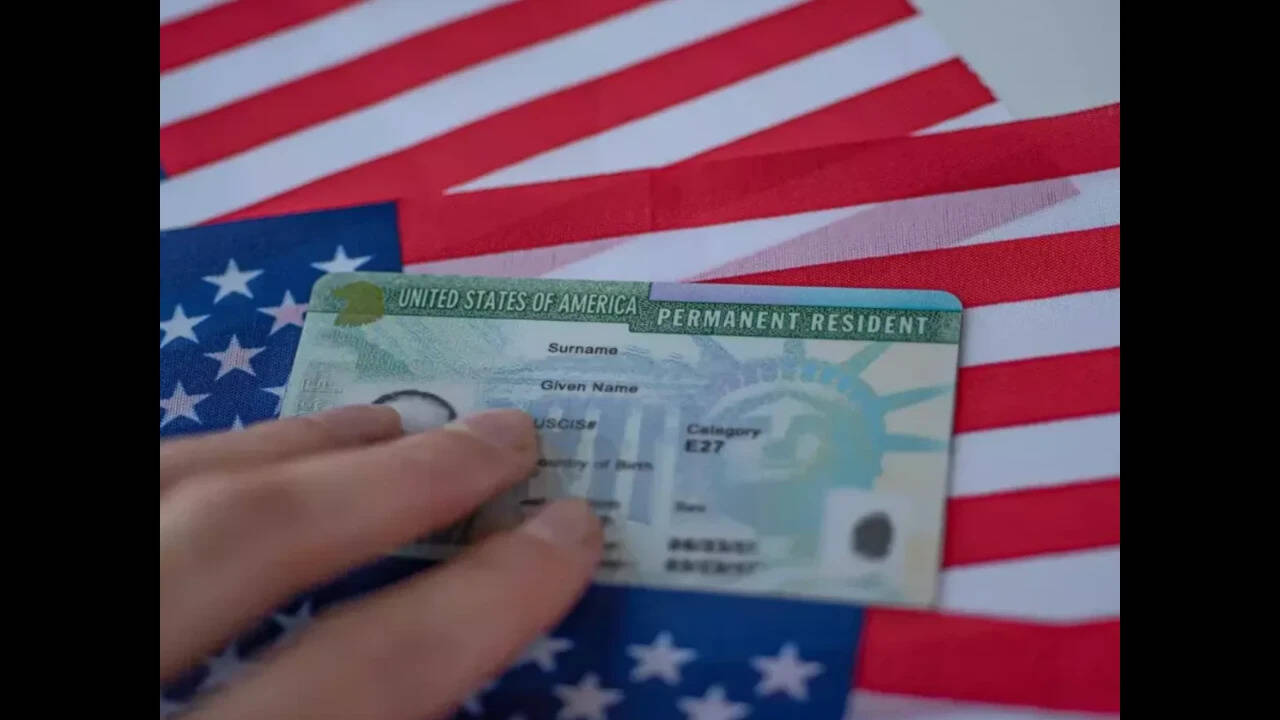
If you lost your home in the January 2025 Eaton and Palisades fires and turned to the California FAIR Plan for relief, you're likely staring down a wall of delays, lowball estimates, and outright denials. Los Angeles County officials have had enough of it. On October 7, 2026, County Counsel Dawyn Harrison officially launched an investigation into the state's insurer of last resort, targeting potential violations of California's Unfair Competition Law.
This isn't happening in a vacuum. It follows a direct lawsuit filed against State Farm on August 31, 2026, and an ongoing probe into Farmers Insurance launched on September 9, 2026. But dragging the FAIR Plan into the crosshairs marks a breaking point. When the safety net meant for homeowners who can't get coverage anywhere else starts acting like a roadblock, policyholders pay the price. Recently making waves recently: What Byd Moving Into Argentina Means For The Global Lithium Race.
The Breaking Point for Fire Survivors
The numbers tell a staggering story of hyper-expansion and operational strain. As of June 2026, the FAIR Plan carried 696,562 dwelling and commercial policies with a jaw-dropping $768 billion in total exposure. That represents a 250 percent jump in exposure since September 2022, while total written premiums climbed to $2.04 billion.
Traditional insurers spent the last few years fleeing wildfire-prone areas across California, dumping high-risk properties onto the FAIR Plan. The pool grew too fast for its own infrastructure. Additional details on this are explored by The Wall Street Journal.
When the Eaton and Palisades fires tore through Altadena, Pacific Palisades, Pasadena, and Malibu in January 2025, thousands of homeowners discovered what their emergency coverage actually looked like in practice. Surveys paint a grim picture. A June 2026 poll of over 2,000 adults conducted by Embold Research revealed widespread frustration with lowball settlements, poor communication, and constant adjuster shuffling. A separate Department of Angels report from July 2026 found that 67 percent of surveyed FAIR Plan customers felt completely dissatisfied with their claims handling.
What the LA County Investigation Actually Targets
County investigators are digging into specific, persistent complaints from policyholders who survived the 2025 disasters. The probe zeroes in on several core issues:
- Refusal to Pay for Testing and Remediation: Many homeowners reported that the FAIR Plan refused to cover necessary testing and cleaning for toxic lead, ash, and other dangerous smoke contamination.
- Constant Adjuster Turnover: Policyholders frequently dealt with three or four different adjusters over a single claim, resetting the clock and forcing families to repeat their stories over and over.
- Underpayments and Delays: Legitimate wildfire and smoke damage claims faced months of radio silence, followed by settlement offers that fell tens or hundreds of thousands of dollars short of actual rebuild costs.
Under California's Unfair Competition Law, County Counsel has the teeth to investigate and prosecute bad-faith business practices. If violations stick, the county can pursue civil penalties, injunctive relief, and financial restitution for affected homeowners.
Why Relying on the Insurer of Last Resort Is Broken
The FAIR Plan was never designed to handle catastrophic regional mega-fires on this scale. It was built as a basic, bare-bones fire insurance policy to bridge the gap when private carriers walked away. Homeowners pay high premiums for this coverage because they literally have no other choice.
When you're backed into a corner with a single option, you expect the state-backed pool to treat you with urgency. Instead, survivors found themselves fighting a bureaucratic machine.
Supervisors like Lindsey P. Horvath and Kathryn Barger have publicly backed the crackdown, emphasizing that families who paid their premiums on time shouldn't have to beg for the relief they're owed. Altadena and Palisades residents are exhausted. They survived a natural disaster, only to spend nearly two years fighting an administrative one.
Practical Steps If You're Fighting a FAIR Plan Claim
If you're stuck in limbo with a delayed or underpaid claim, don't wait for the county's investigation to wrap up before you act. Take control of your file immediately.
First, demand a complete copy of your claims file, including every adjuster's notes and structural report. Second, hire an independent public adjuster who works for you, not the insurance carrier, to draft an independent damage and remediation estimate. Third, document every single communication in writing. If the FAIR Plan drags its feet or lowballs your smoke damage remediation, file a formal complaint with the California Department of Insurance while keeping your legal options open.
Hold your ground. The system is finally facing public accountability, but your best defense is meticulous documentation.