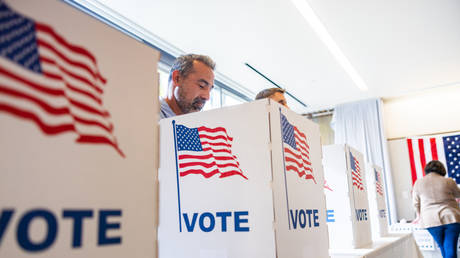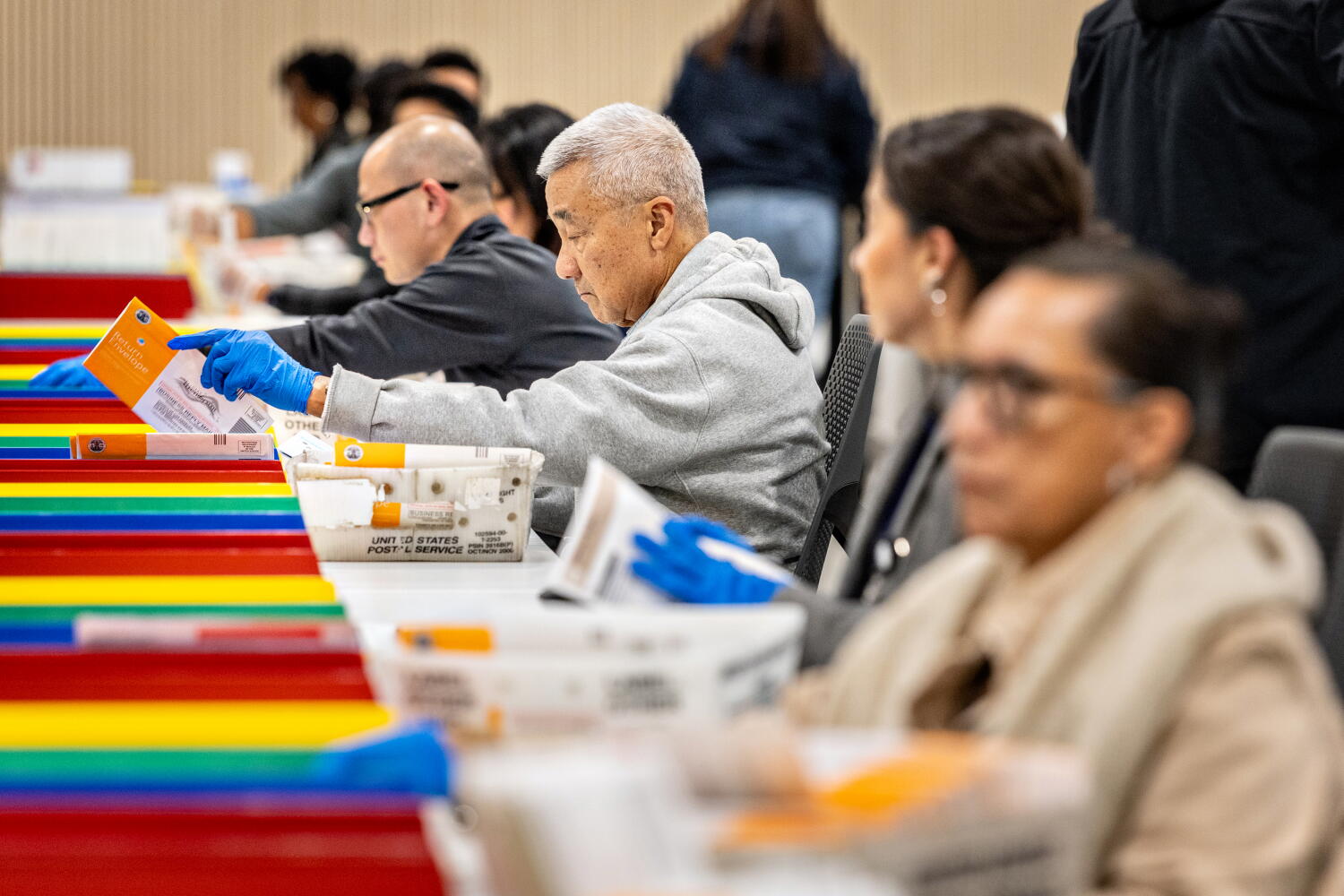
Trust in American elections has hit rock bottom, but in California, the anxiety has taken on a much more specific shape. Recent polling and last-minute courtroom standoffs reveal that a clear majority of California voters harbor deep fears that the federal government might actively try to stop or disrupt the vote count. When you have federal agencies dispatching election monitors into Los Angeles on election morning and bitter legal battles playing out over tens of thousands of mail-in ballots, public panic isn't an overreaction. It's a rational response to chaos.
Let's look at what's actually driving this unprecedented level of voter distrust, how state officials are pushing back, and why the tension between Washington and Sacramento is rewriting the rules of modern midterm elections.
The Roots of the Fear
Voters don't wake up worried about federal intervention in local vote counts out of nowhere. The anxiety stems from a relentless cycle of aggressive legal challenges, targeted voter roll investigations, and public rhetoric questioning the validity of state-run elections.
When the Department of Justice targets tens of thousands of registered voters—labeling them as "likely" noncitizens—and demands that local election boards segregate and set aside their ballots, the ripple effects hit everyday citizens. Voting rights groups have pointed out the obvious danger: these sweeping maneuvers don't just target ineligible voters; they create a chilling effect that scares legitimate, registered citizens away from the ballot box.
When you hear that federal authorities want to intercept or freeze parts of an ongoing election, it's hard not to feel like your personal vote is sitting in the middle of a political tug-of-war.
Inside the Courtroom Showdowns
The friction between federal ambitions and state control didn't stay theoretical. It erupted into open legal warfare right as millions of Californians were casting their ballots.
Federal authorities pushed emergency requests all the way to the Supreme Court, attempting to force California election officials to set aside thousands of disputed mail-in ballots. The Supreme Court ultimately declined to take up the emergency request, leaving lower court rulings intact. In a separate, high-profile decision, a federal judge sharply rebuked the administration's demands, writing that halting or disrupting the ongoing vote count would "wreak havoc" on the election and disenfranchise countless citizens.
Local election officials testified to a blunt logistical reality: once mail-in ballots are processed—meaning envelopes are verified and separated from the actual votes—they cannot be matched back to individual voters. Trying to pry them apart mid-count isn't a simple administrative adjustment. It's an operational impossibility designed to fracture trust.
Why State Control Matters
At its core, this clash highlights a foundational principle of American democracy that gets lost in partisan noise: states run elections, not the federal government.
When outside entities try to step in at the eleventh hour, it violates the traditional boundaries that keep local administration accountable. California leaders, including Governor Gavin Newsom, have repeatedly vowed to protect the integrity of the state's vote counts and promised swift prosecution for anyone attempting to interfere with election workers or ballot processing.
Yet, the psychological damage is already done. When voters see federal agents or monitors moving into polling hubs amid tense legal wrangling, the baseline sense of security vanishes. People want to know that the ballot they dropped in the box or mailed in weeks early is going to be counted cleanly, without being caught in cross-jurisdictional crossfire.
What You Can Do to Protect Your Vote
If you're feeling cynical or anxious about the security of your vote, tuning out is the worst possible option. Protecting your voice requires understanding the safeguards already in place.
- Track your ballot: California provides online tracking tools through the Secretary of State's office, allowing you to watch your ballot move from received to processed and counted.
- Know your local resources: If you make a mistake on your ballot or encounter administrative friction, contact your county elections office immediately rather than relying on social media rumors.
- Use secure drop boxes or in-person centers: Skipping the postal service during the final crunch eliminates delivery anxieties and ensures your vote arrives directly in local hands.
The noise from Washington is going to continue long after the final tallies clear. But understanding the legal guardrails protecting your ballot is the best antidote to fear. States are holding the line, and the mechanisms to keep your vote secure are stronger than the panic surrounding them.