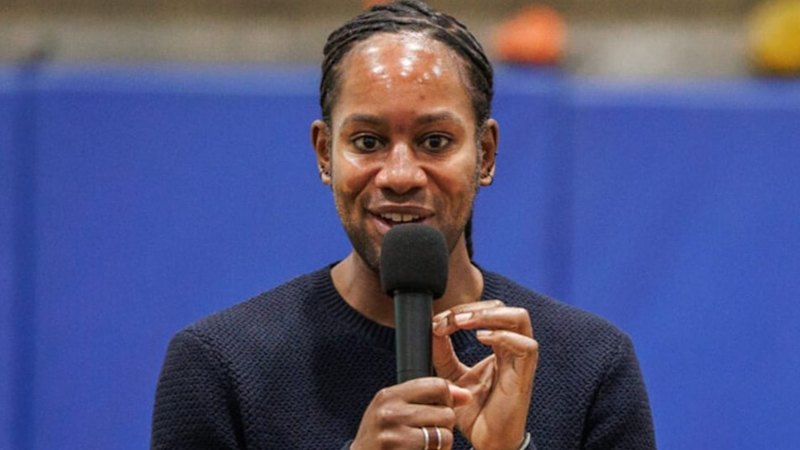
The tragic death of Jason Arday has plunged elite higher education into a bitter reckoning. When Arday became the University of Cambridge’s youngest Black professor in 2023 at the age of 37, it was heralded as a watershed moment for representation in British academia. Barely three years later, his sudden resignation following intense scrutiny over his credentials, followed shortly by his unexpected death in south London, has left one of the world's most prestigious universities scrambling to defend its vetting protocols.
Beneath the headlines lies an uncomfortable truth. Elite institutions are prioritizing public relations and demographic milestones over rigorous academic auditing. When universities treat hiring as a marketing campaign, everyone loses.
The Anatomy of a High-Profile Appointment
To understand how Cambridge reached this crisis, you have to look at how modern elite universities recruit star power. Arday’s personal narrative was extraordinary. He frequently shared his journey of overcoming severe developmental delays, autism, and dyslexia, noting he remained non-verbal until age 11 and illiterate into his late teens. That inspirational arc captured the imagination of academic administrators eager to project modernity and inclusivity.
Yet, the velocity of his rise outpaced standard academic caution. Critics, led initially by independent researchers and investigative reports from publications like The Times of London, began dissecting his 2015 doctoral thesis. They uncovered passages matching earlier works by other authors. Beyond his thesis, questions surfaced regarding his athletic fundraising claims and biographical details.
When the scrutiny intensified, Cambridge leadership shifted from initial defense to launching an independent investigation into his qualifications. Arday resigned, citing a relentless public campaign that took a profound toll, before his tragic passing days later.
Where Institutional Vetting Fails
Most people assume that premier institutions like Cambridge run background checks with the precision of a Swiss watch. They don't. In academia, senior appointments often rely heavily on peer prestige, institutional networking, and charismatic storytelling.
When a candidate arrives with a compelling personal brand and institutional backers, departmental boards routinely lower their guard. Administrative shortcuts happen because search committees want to believe the narrative. They want the headline. They want to showcase their commitment to diversity, equity, and inclusion without doing the tedious work of cross-referencing footnotes, verifying primary data, and auditing publication records.
This creates a dangerous blind spot.
- The Halo Effect: Exceptional life stories disarm standard skepticism. Committees stop asking hard questions because asking them feels impolite or politically fraught.
- Outsourced Accountability: Universities often trust the vetting done by previous institutions—such as Liverpool John Moores University, which originally awarded Arday's doctorate—rather than conducting independent verification.
- PR Pressure: Academic institutions operate in a hyper-competitive global market where PR wins dictate funding, endowments, and league table rankings.
The Fallout for Diversity and Merit
The aftermath of this tragedy leaves scholars of color in an untenable position. Critics of diversity initiatives are weaponizing this single case to discredit broader inclusion efforts, while defenders argue that the intense media scrutiny crossed the line into a targeted ideological smear campaign.
Both extremes miss the point. The crisis isn't an indictment of Black academics or diversity programs. It is an indictment of administrative laziness. When universities cut corners on credential verification to serve an institutional narrative, they undermine the very scholars they claim to uplift.
Cambridge Vice-Chancellor Deborah Prentice announced that the university will review its hiring processes for senior academic roles. That review is long overdue, but it shouldn't stop at Cambridge. Every major university across the globe needs to tear up its playbook.
Fixing the Academic Pipeline
If higher education wants to restore public trust, institutional leaders must decouple PR victories from faculty appointments.
First, peer review of dissertations and past publications must be standardized and centralized, removing departmental bias or favoritism. Second, universities must separate pastoral support for overcoming adversity from the objective evaluation of academic output. Empathy and rigorous scholarship are not mutually exclusive, but they must be evaluated independently.
Stop looking for saviors, symbols, and marketing breakthroughs. Start looking for rigorous, verifiable scholarship. Anything less betrays the integrity of the institution and the scholars who earned their places honestly.