Ottawa loves a good committee. When faced with heavy political pressure to change firearms laws, the federal government reached for its favorite tool: a brand-new advisory group.
Nearly a year after Public Safety officials promised a sweeping overhaul of firearm classifications—with a heavy spotlight on the semi-automatic SKS rifle—the advisory panel tasked with helping guide the process still hasn't held its first meeting. Public Safety Canada insists these experts will gather later this fall, but gun control advocates are already running out of patience.
If you're trying to figure out why Canadian firearms policy moves at a glacial pace, look no further than this ongoing bureaucratic limbo.
The SKS Debate That Won't Go Away
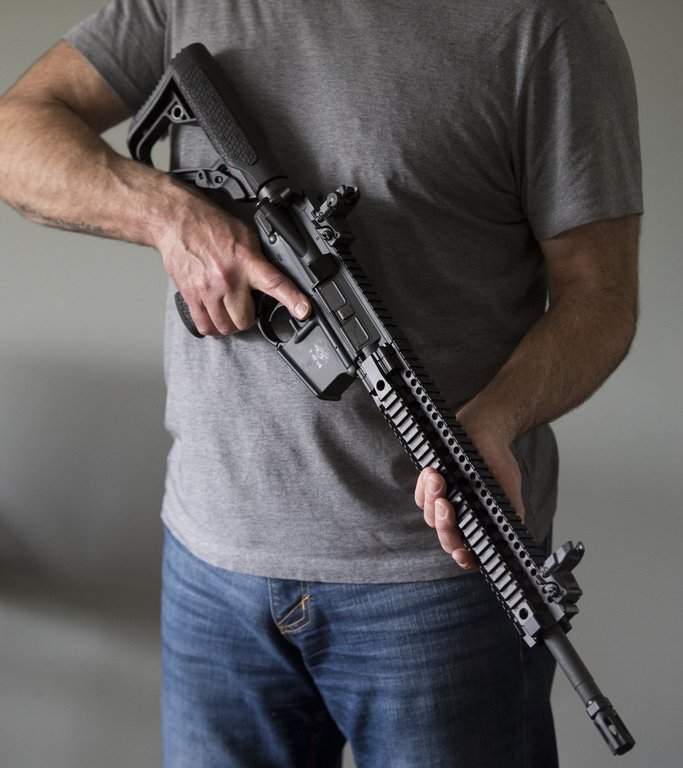
The SKS carbine sits right at the center of a bitter ideological divide in Canada. On one side, advocacy groups like PolySeSouvient argue that the rifle functions as a military-style weapon capable of accepting high-capacity magazines, pointing to high-profile tragedies and court filings mentioning the firearm. They want an immediate sales freeze and tighter restrictions.
On the other side, shooting sports organizations and hunters push back hard. The SKS is cheap, reliable, and deeply entrenched in rural and remote communities. Crucially, thousands of First Nations, Inuit, and Métis hunters rely on it for sustenance. Any blanket ban creates an immediate cultural and practical crisis for Indigenous communities who use it to put food on the table.
Prime Minister Mark Carney's government has walked a fine line, signaling that any decisions regarding the SKS will wait until the Firearms Classification Technical Advisory Group actually delivers its advice.
Why Advisory Panels Slow Everything Down
Appointing an expert panel sounds proactive on paper. In practice, it's a built-in delay mechanism.
When the government announced a comprehensive review of the firearms classification regime back in December, officials promised dedicated consultations with Indigenous communities and technical experts. But building a diverse advisory group takes months. Scheduling meetings takes more time. Drafting reports pushes timelines out even further.
Critics from the gun control sector argue that each new consultation becomes another excuse to postpone actual regulatory change. Lives are at stake, they say, and endless panels do nothing to remove controversial firearms from circulation.
Meanwhile, shooting associations argue that rushing to reclassify firearms before answering fundamental questions about how weapons were obtained or used in recent crimes amounts to security theater rather than effective policy. They claim that targeting legal owners doesn't solve underground criminal access.
What Happens Next
The pressure on Ottawa isn't going away. High-profile shootings keep the issue in the headlines, forcing politicians to choose between swift legislative action and prolonged, methodical consultations.
The upcoming meetings of the technical advisory group will dictate the next phase of Canadian gun policy. If the panel delivers clear recommendations this fall, the federal government will face an immediate test of whether it's willing to act on the SKS rifle or kick the can down the road yet again.
Keep a close eye on the Department of Public Safety's upcoming announcements. The timeline for actual regulatory movement depends entirely on whether this long-planned committee can finally get to work.