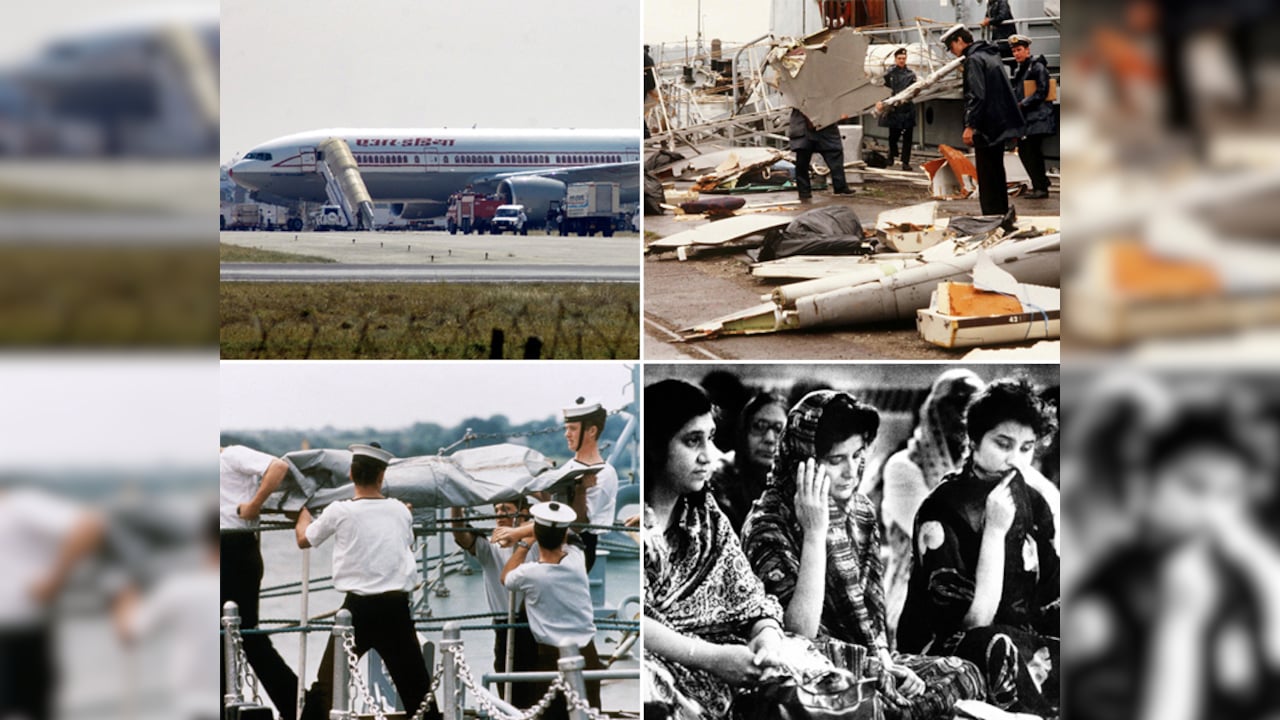
Forty-one years after a bomb tore apart Air India Flight 182 off the coast of Ireland, the families of 329 victims are facing a bitter reality. Canada wants to close the book. The Royal Canadian Mounted Police is reportedly moving to put the historic probe into inactive status, leaving grieving relatives furious and abandoned.
If you think time heals all wounds, you haven't spoken to anyone who lost a child, a spouse, or an entire family on June 23, 1985. The Kanishka bombing remains the deadliest act of aviation terrorism in Canadian history, yet it has produced only a single conviction. Now, rather than seeking accountability for the hundreds who died, authorities appear ready to sweep the remaining questions under the rug.
The Accountability Gap That Defined the Tragedy
Let's be clear about what happened. This wasn't some distant foreign catastrophe. The bomb was planned on Canadian soil, assembled by extremists operating freely within British Columbia, and checked onto a plane leaving Montreal.
Canada's security apparatus dropped the ball in 1985. Subsequent public inquiries laid bare a catalog of bureaucratic failures, institutional turf wars, and ignored warnings from intelligence agencies. The Canadian Security Intelligence Service knew threats existed. They watched suspects, recorded conversations, and failed to connect the dots.
When a state fails to protect its citizens, its primary duty afterward is absolute transparency and unyielding justice. Instead, the aftermath became a masterclass in deflection.
Why Closing the Probe Now Insults the Victims
Moving an investigation into inactive status after four decades sends a loud, unambiguous message. It tells the world that mass murder has an expiration date.
Families of the victims didn't just wake up angry this week. They have spent decades fighting a system that treated their tragedy as a secondary concern. Most of the passengers on that flight were Canadian citizens of Indian descent. For years, survivors and relatives argued that if those 329 people had been white victims of a domestic tragedy, the political response and investigative urgency would have looked entirely different.
You can't blame them for feeling that way. When only one person—Inderjit Singh Reyat—serves time for an atrocity that killed 329 innocent people, justice is a hollow joke. Other key suspects walked free due to botched evidence, witness tampering, and institutional failures. Now, closing the file entirely ensures that no one else will ever face a court of law.
The Broader Impact on International Security
This isn't just about history. It sets a dangerous precedent for how modern democracies handle transnational terrorism.
When intelligence and police agencies decide to pack up their files because decades have passed, they reward evasion. Terrorism thrives when states lose their appetite for long-term accountability. If conspirators know they only need to outlast the political will of a host nation, accountability becomes impossible.
Canada's handling of the aftermath has long been cited in international law circles as a textbook example of systemic failure. Shuttering the door permanently adds an ugly final chapter to an already shameful record.
What Families Are Doing Right Now
The relatives won't go quietly. They have written open letters and appealed directly to political leadership, demanding that the investigation remain active. They refuse to accept a summary closure.
Justice shouldn't have a time limit. If law enforcement agencies claim leads have dried up, they need to explain why those leads were ignored when clues were fresh.
Don't let anyone tell you this is old news. As long as co-conspirators walk free and files are locked away to protect institutional reputations, the wounds of 1985 remain open. Canada has a moral obligation to keep the investigation open, no matter how uncomfortable the truth might be.


