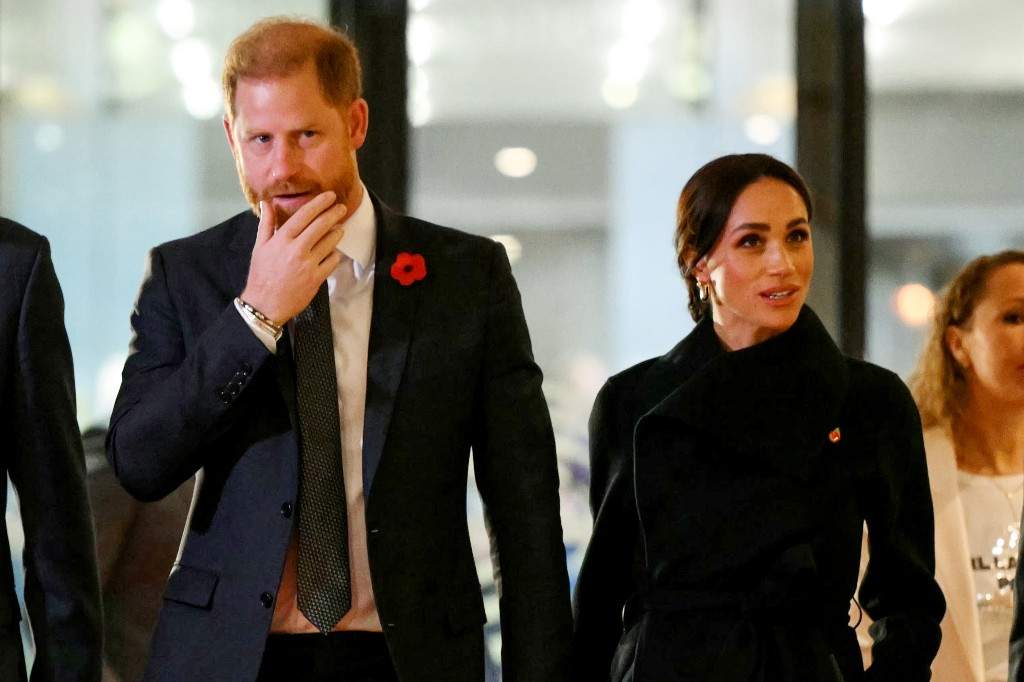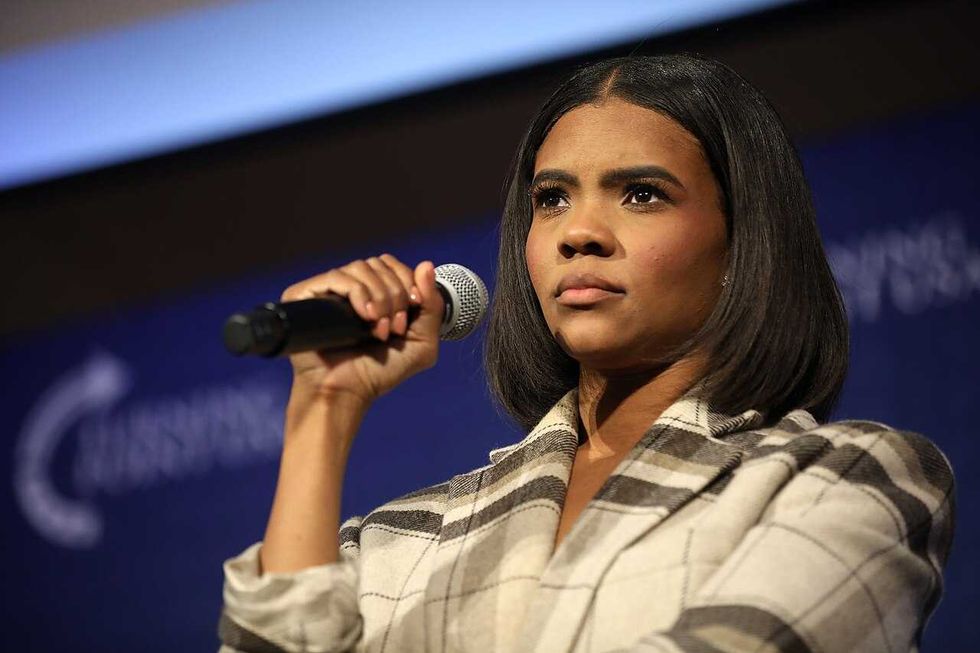
You can only poke foreign heads of state for so long before they decide to fight back on your home turf. Far-right commentator Candace Owens learned this lesson the hard way after French President Emmanuel Macron and First Lady Brigitte Macron dragged her into American courts over a series of viral, entirely baseless conspiracy theories.
If you followed the saga from the beginning, you know it didn't start in a U.S. courtroom. It started when Owens decided to stake her professional reputation on a bizarre online rumor claiming that Brigitte Macron was actually born a man. Instead of backing down when presented with factual pushback, public records, and legal warnings, Owens doubled down. She turned the hoax into a cornerstone of her independent media brand, selling merchandise, raking in donations, and spinning increasingly wild yarns about Stanford Prison Experiments and secret government coverups.
When powerful people get tired of being targeted for clicks, they don't just issue angry press statements. They hire high-powered legal teams like Clare Locke LLP and file multi-million dollar defamation lawsuits.
The Delaware Speed Bump and the Tennessee Pivot
The legal battle initially kicked off in Delaware, where Owens had registered her business entities. For a brief moment, it looked like a standard corporate liability issue. A Delaware judge ultimately dismissed the personal claims against Owens because she didn't actually live there, ruling that the court lacked personal jurisdiction over her individually, though her corporate entities stayed on the hook.
Owens probably breathed a sigh of relief, thinking her personal assets were shielded behind corporate walls. She miscalculated.
The Macrons' legal team didn't pack up and go back to Paris. Instead, they took a direct shot at her home state. Fresh legal filings surfaced in Tennessee, where Owens actually resides. By filing personally in Tennessee, the Macrons effectively bypassed the geographic technicality that saved her personal liability in Delaware. It's a classic chess move in cross-border defamation litigation. If you make defamatory statements that cause reputational injury across international lines, you can run to your home state, but you can't hide from service of process there.
Why Outlandish Conspiracies Are a Terrible Business Model
Let's look at the mechanics of modern internet outrage content. Podcasters and influencers often treat libel laws as background noise because controversy drives engagement. If you can generate millions of views by attacking a foreign political figure, the short-term ad revenue and subscriber spikes look tempting.
Yet, defamation law in the United States has a very long memory, especially when public figures choose to aggressively protect their names. Brigitte Macron had already successfully sued other conspiracy peddlers in French courts. Taking those exact discredited theories and beaming them across American digital platforms with an English-speaking audience didn't create a safe legal loophole. It just created a brand-new jurisdiction for plaintiffs to seek massive damages.
Owens discovered that scaling an independent media enterprise means you carry the full weight of legal exposure yourself. When you launch platforms designed specifically to bypass traditional content moderation policies, you also bypass the institutional guardrails that might otherwise warn you when you are stepping over the line from political commentary into actionable defamation.
What Happens Next in the Crosshairs
The shift to Tennessee changes the entire dynamic of the litigation. Owens can no longer rely on a friendly jurisdictional dismissal to keep the focus off her personal bank accounts and assets. Her defense has consistently tried to frame the lawsuit as an assault on free speech and a legally meritless stunt. But courts look closely at actual malice and reckless disregard for the truth—standard hurdles in American defamation law for public figures. When a plaintiff brings forth verifiable documentation, public records, and direct proof that a commentator was warned multiple times and chose to amplify the lies anyway, the "free speech" defense starts to crumble very quickly.
The lesson here is brutally simple. Chasing viral shock value across international borders eventually catches up with you. You can build an entire ecosystem around internet conspiracy theories, but eventually, the subjects of those stories will show up where you buy your groceries, legally speaking.
Stop treating cross-border defamation like a harmless game of online engagement. The bill always comes due.