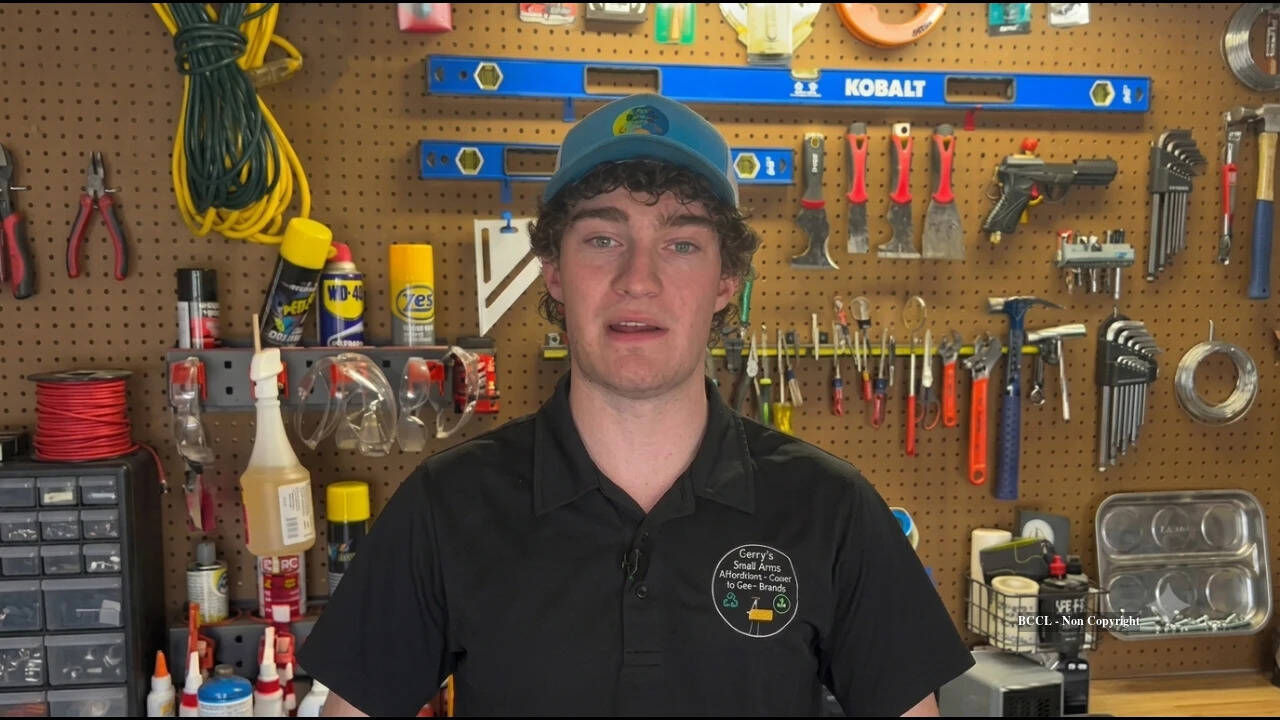
Most teenagers spend their weekends flipping burgers or bagging groceries for minimum wage. Carter Grandbois looked at a pile of unwanted junk in Colorado Springs and saw a $15,000-a-month cash machine instead.
Starting a blue-collar service business doesn't require venture capital, coding skills, or a fancy degree. It requires a borrowed trailer, a truck, and a willingness to do the heavy lifting that most people avoid. Grandbois launched his junk hauling business at just 16 years old. Two years later, at 18, his enterprise routinely bills up to $15,000 during peak months.
Spotting the Real Opportunity in Everyday Clutter
People accumulate too much stuff. That is a permanent universal truth. Old couches, broken appliances, renovation debris, and dead brush pile up in garages and yards across America. Most homeowners want it gone immediately, but they lack the truck, the time, or the physical strength to haul it to the local dump.
Existing waste removal franchises often charge exorbitant minimum fees and operate on rigid corporate schedules. Grandbois identified that exact gap in the local market. He realized he could undercut the big corporate players while offering lightning-fast, same-day service with a personal touch.
You don't need a groundbreaking tech invention to make money. You just need to solve a genuinely annoying everyday problem better than anyone else nearby.
Starting Small Without Capital
When Grandbois began at 16, he didn't secure a small business loan or lease a brand-new fleet of commercial vehicles. He didn't have the money for that. Instead, he borrowed a trailer from a family friend and used whatever vehicle could pull it.
Too many aspiring entrepreneurs paralyzed themselves by waiting for perfect conditions. They think they need custom uniforms, a professional logo, and a commercial warehouse before taking their first client. Grandbois proved that execution beats preparation every single time.
His initial marketing strategy cost zero dollars. He posted in local Facebook groups, neighborhood apps, and Instagram feeds. His early customer base consisted of neighbors, friends of his parents, and locals scrolling through community boards.
The Power of Visual Social Media Marketing
Traditional advertising flyers go straight into the trash can. Local service businesses thrive on visual proof, and Gen Z operators know how to leverage that reality.
Grandbois built a massive digital portfolio by documenting his cleanups. He posted short-form time-lapse videos showing a chaotic, crammed garage transformed into a spotless, empty space in under sixty seconds. He shared stark before-and-after photos that immediately communicated value to prospective clients.
When homeowners see a neat, professional teen clearing out a hazardous basement in their neighborhood, trust is built instantly. Satisfied clients tagged him in comments, turning local Facebook threads into a steady engine of organic word-of-mouth referrals. Over time, landlords, real estate agents, and local contractors started calling him for recurring commercial clean-outs.
Scaling From Solo Operator to Flexible Crew
Running a manual labor business solo hits a hard physical wall quickly. You can only lift so many heavy mattresses and load so many wooden pallets by yourself before burnout sets in.
Grandbois scaled smartly. As revenue trickled in, he reinvested profits into better equipment, eventually upgrading to his own dedicated trailer and a reliable hauling truck.
Instead of locking himself into expensive, fixed payroll overhead, he kept his labor model flexible. He hired friends and local acquaintances on a per-job basis for weekend projects. When a massive estate clean-up came in, he brought on a bigger crew. During slower winter months, he scaled operations back down to protect his margins.
Balancing High School and Entrepreneurship
Running an enterprise while finishing high school demands ruthless time management. Grandbois had to juggle customer estimates, phone calls, and invoicing between classes, exams, and extracurriculars.
It is not glamorous work. Hauling junk means sweating in July heat, dealing with heavy lifting, and managing dump fees. But the financial payoff and autonomy completely change a young person's trajectory. By graduation, while his peers were entering the workforce with zero experience, he owned a profitable brand, established equipment, and real-world business acumen.
Lessons for Aspiring Service-Based Entrepreneurs
If you want to replicate this kind of local service success, forget about passive income hype online. Focus on tangible execution:
- Start with what you have: Borrow equipment if necessary. Do not spend thousands on inventory before validating local demand.
- Dominate local platforms: Use free hyper-local social media groups and short video reels to show your actual work.
- Speed is a competitive advantage: Answer calls quickly and show up when you promise. Reliability beats low pricing every time.
- Keep overhead lean: Reinvest early earnings into assets that make you faster, not luxuries that drain your cash flow.
The blueprint is wide open. Clear the clutter, pick up the phone, and start hauling.