Cross-border federal cases rarely start with a physical border crossing. Sometimes, they start behind a glowing monitor late at night, fueled by encrypted chat apps and shared nihilism. When federal authorities arrested 30-year-old James Cody Bryant in Bellingham, Washington, it exposed a terrifying reality of modern mass violence. It is rarely isolated. Behind horrific acts stand online cheerleaders, tactical advisors, and enablers who think digital distance shields them from accountability.
Bryant was recently ordered detained pending further court proceedings after being charged with conspiracy to murder people in a foreign country. Federal prosecutors say he played a direct role in the horrific February mass shooting at Tumbler Ridge Secondary School in British Columbia, Canada, an attack that left nine dead and 25 injured.
The Digital Anatomy of a Tragedy
According to federal court documents, Bryant communicated extensively over Discord with the 18-year-old shooter, Jesse Van Rooselaar, prior to the attack. Prosecutors allege that Bryant did not just passively listen. He actively coached the shooter on tactics to maximize casualties.
When you look at the unsealed criminal complaint, the details are chilling. Bryant allegedly offered architectural advice on navigating school hallways, writing that "hallways also mean a lot of ways people can escape. Corners to turn. Wide open spaces means numbers."
Investigators also found that Bryant sent money to the shooter for a lighter used to build an explosive device. He even stayed awake after an overnight work shift to make sure the carnage could be broadcasted online.
What makes cases like this so disturbing is the cold awareness shown by the perpetrators. Federal officials noted that Bryant allegedly wrote in messages that he was perhaps the only person who could stop the shooter, admitting, "I don't want to honestly. I know I can like, save lives I guess but idk."
Cross-Border Cooperation and the FBI Investigation
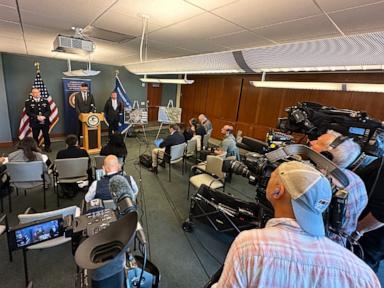
The investigation required massive coordination between American and Canadian law enforcement agencies. Within days of the February shooting, the Royal Canadian Mounted Police contacted the U.S. Department of Homeland Security after pulling data from online platforms used by the shooter.
That tip triggered a joint effort that led the FBI's Seattle field office to zero in on Bellingham. W. Mike Herrington, the special agent in charge of the FBI Seattle office, pointed out just how preventable such radicalized online echo chambers can be if digital co-conspirators are held liable under international law.
Charging a U.S. resident with conspiracy to commit murder in a foreign country is a heavy legal mechanism. It shows federal prosecutors are increasingly willing to stretch jurisdictional boundaries to catch digital accomplices who think their keyboards grant them diplomatic immunity.
Accountability Beyond the Co-Conspirator
The legal fallout from the Tumbler Ridge tragedy doesn't stop with Bryant's detention. Families of the victims have also filed a lawsuit in U.S. federal court against artificial intelligence giant OpenAI. They argue that the maker of ChatGPT failed to alert law enforcement despite picking up on alarming interactions between the shooter and the AI model prior to the massacre.
As technology, social media platforms, and artificial intelligence intersect with violent extremism, the net for criminal liability is widening. You can't just type messages of encouragement across an international border and expect to walk free.
Bryant faces up to life in prison if convicted. The detention order ensures he stays behind bars as the legal process grinds forward, offering a stark warning to anyone sitting in a dark room encouraging violence online. Digital anonymity is an illusion, and the consequences are entirely real.