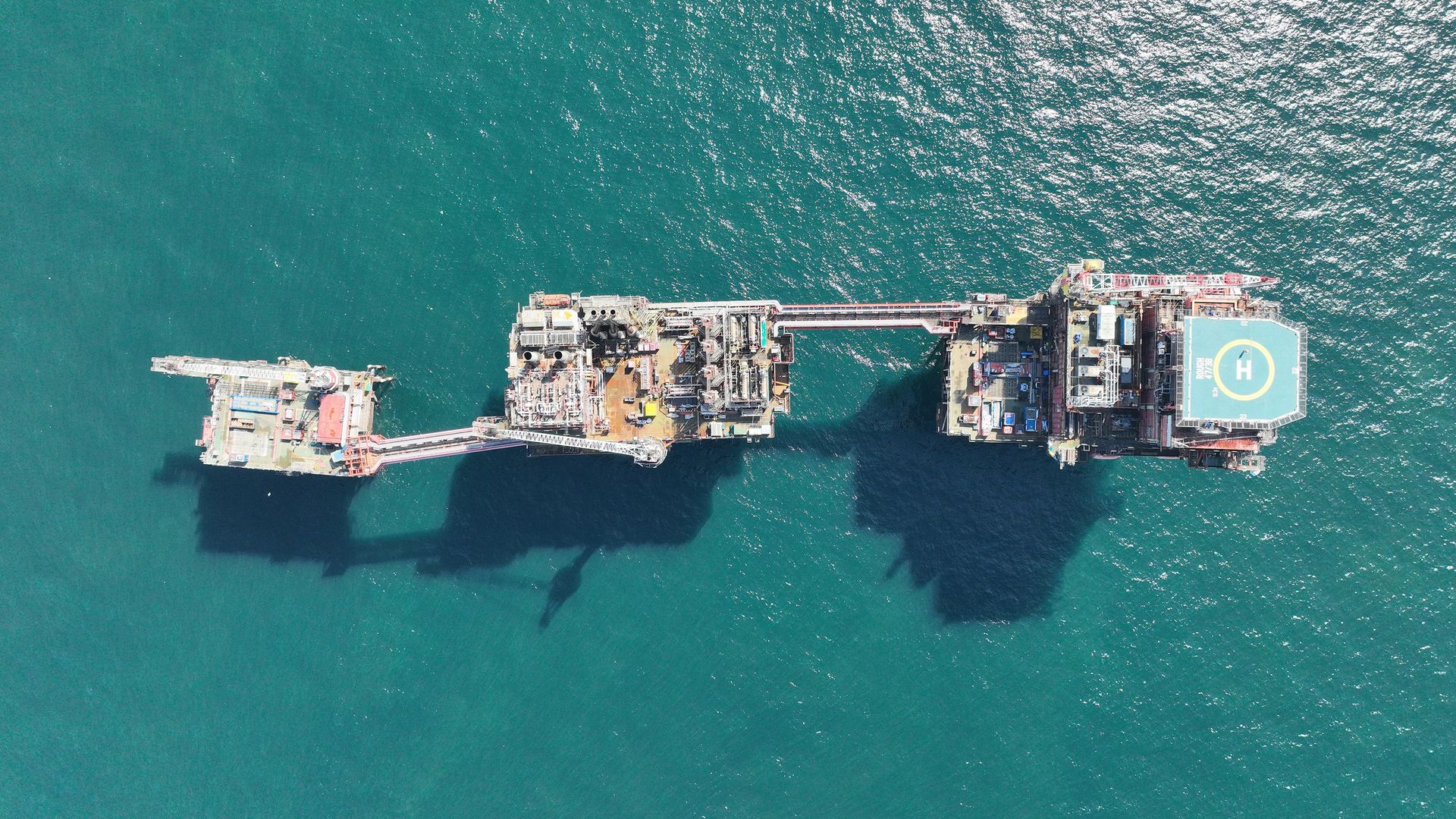
Hundreds of jobs at Britain's largest gas storage site are staring down a clock that runs out in April 2027. Centrica chief executive Chris O'Shea has warned staff that up to 400 direct and indirect roles tied to the Rough facility off East Yorkshire are on the line after ministers declined a short-term winter plan and pushed a full consultation response into next year.
If you're following this story because you care about energy bills, North Sea jobs, or how Britain keeps the lights and heating on during a cold snap, here is the bottom line right up front. Centrica is not walking away from Rough out of sheer spite. It's walking away because the commercial math of seasonal gas storage doesn't work without a clear policy backstop, and ministers have decided to wait. If you enjoyed this piece, you might want to check out: this related article.
That delay leaves a massive strategic hole just as winter bites.
What Happened With the Rough Gas Storage Deal
Let's be honest about how this standoff got here. Rough sits roughly 18 miles off the coast of East Yorkshire in the Southern North Sea, linked back to the Easington terminal. It holds up to 54 billion cubic feet of gas, accounting for more than half of Britain's total gas storage capacity. For another perspective on this story, refer to the recent update from The Washington Post.
According to reporting on O'Shea's memo to staff, Energy Secretary Miatta Fahnbulleh told Centrica that Whitehall would not take up a proposed short-term arrangement for this winter, with the broader gas storage consultation response delayed until next year. Rough's current consent from the North Sea Transition Authority expires on 30 April 2027, and Centrica has indicated it will not seek a new licence on current terms.
You don't need an economics degree to see why that sparks alarm. Even with a consent window running through April 2027, planning around a hard stop puts engineering teams, contractors, and local supply chains in limbo.
Why Commercial Storage Struggles Without Government Backing
People hear "gas storage" and assume a utility just buys cheap gas in summer, pumps it underground, and sells it high in winter. That's the textbook version. Real life is messier.
When summer-to-winter price spreads are tight, or when volatile global markets distort wholesale pricing, merchant storage can lose money fast. You carry capital costs, maintenance expenses, and price risk on every molecule you inject. For a private company answerable to shareholders, tying up cash in an asset with an uncertain regulatory future doesn't fly.
I've watched infrastructure debates in the energy sector stall for years over this exact tension. Ministers hate underwriting fossil fuel assets when net-zero targets dominate the headlines. Operators refuse to sink billions into steel, compressors, and subsea work without predictable cost recovery. Both sides point fingers, and the physical asset sits caught in the middle.
Why Rough Matters More Than Most People Realize
Britain has never held huge gas storage reserves compared with major continental neighbours like Germany, France, or the Netherlands. That structural difference changes how supply shocks hit UK households and businesses.
When storage buffers are thin, Britain leans harder on pipeline imports, liquefied natural gas cargoes, and spot markets during peak demand. Analysis from organizations like Common Wealth has pointed out that tight European storage levels and volatile global markets heighten winter exposure, while coverage from The Guardian shows Rough isn't the only Yorkshire storage site facing questions over market support.
Rough alone, at full working capacity, can store roughly enough gas to heat around 2.4 million homes over winter. It isn't a magic cure-all for every supply shock, and O'Shea himself has described storage as an insurance policy rather than a silver bullet. Still, cancelling an insurance policy right before storm season is a bold gamble.
The Hydrogen Pitch and the £2 Billion Question
Centrica hasn't framed Rough purely as a legacy gas play. The company has floated a much bigger vision: turning Rough into a major energy storage hub capable of handling both natural gas and hydrogen, backed by a proposed investment of up to £2 billion if the right regulatory framework is agreed.
Here's where I stay skeptical until I see hard contracts. Big hydrogen storage ambitions sound great in boardroom decks and regional regeneration pitches around the Humber. Converting offshore infrastructure to handle hydrogen at scale involves serious engineering, safety, and commercial hurdles, and timelines in the North Sea routinely slip.
Calling hydrogen storage a guaranteed saviour of Rough overstates what's proven today. Treating Rough strictly as a dead fossil asset ignores its potential role in balancing a grid that still relies heavily on gas during calm, cold windless spells. The truth sits right in that uncomfortable middle.
What This Means for Workers and the Humber Region
For families and workers around East Yorkshire and the Humber, this isn't an abstract Whitehall policy row. Up to 400 direct and indirect jobs linked to Rough carry real household stakes, from offshore technicians and maintenance crews to shore-based logistics and specialist contractors.
A common mistake in energy policy debates is treating skilled North Sea workers as interchangeable. They aren't. Offshore integrity engineers, process operators, and marine specialists take years to train and retain. Once a site winds down and teams scatter to other basins or industries, spinning that expertise back up later is slow and expensive.
There's also a broader debate brewing over ownership and public interest. Some commentators and campaigners argue that if private operators won't keep strategic storage running without subsidies, the state should look at public ownership or tighter regulation. Others worry taxpayers could end up footing bills for ageing assets while private firms keep the upside elsewhere. That argument isn't going away anytime soon.
Common Misconceptions About UK Gas Storage
- Storage means Britain is "running out of gas" tomorrow. Low storage capacity increases price volatility and reliance on imports or flexible supply; it doesn't mean taps instantly shut off across the country.
- Wind and solar make gas storage irrelevant. Renewables cut emissions and lower daytime generation costs, yet cold winter weeks with low wind still push peak heat and power demand high, keeping gas in the mix.
- A delayed government decision is the same as permanent closure. Pushing a consultation response into next year creates intense uncertainty ahead of the April 2027 consent date, though policy positions can still shift before the deadline hits.
Practical Next Steps to Watch and Prepare
If you work in the energy supply chain, track utility equities, or plan energy budgets for a business or household, don't rely on headlines alone. Watch the concrete milestones that actually move capital and jobs:
- Track the NSTA April 2027 consent timeline: Monitor official updates from the North Sea Transition Authority and Centrica to see whether decommissioning steps accelerate or new commercial terms emerge before 30 April 2027.
- Watch for the government's gas storage consultation response: Look for signals next year on whether ministers favour a regulated asset model, merchant market tweaks, or no special support at all.
- Audit exposure to winter gas price swings: If you run an energy-intensive business or manage procurement, review hedging windows and contract structures rather than assuming winter wholesale prices will stay calm.
- Assess regional workforce transferability: If your role or business depends on Rough or neighbouring East Yorkshire facilities, map skills and contracts across offshore wind, carbon storage, and wider North Sea maintenance early.