Just when energy markets started breathing a sigh of relief, everything fractured. Wall Street traders spent weeks high-fiving over oil dipping back to pre-war baselines. They thought the worst of the geopolitical risk premium had faded. They were wrong.
The recent US military strikes against Iranian targets shattered that complacency in minutes. Crude prices didn't just edge higher. They spiked, fast.
If you think this is just another temporary blip on the commodities radar, you're missing the bigger picture. The reality is that the floor under global energy prices just shifted permanently higher. This isn't just about a single night of airstrikes. It's about what happens next to the most vital choke points in the global economy.
The Myth of the Supply Cushion
For the past few months, mainstream financial commentators pounded the table about a well-supplied market. They pointed to surging production in West Texas and rising non-OPEC supply. They told you that American shale would save the day and keep a lid on inflation.
That narrative ignored how precariously balanced the global grid actually is. When the US military directly targets assets tied to Iran, the math changes.
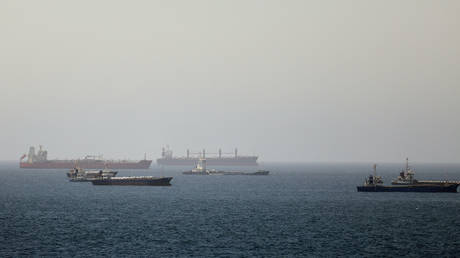
Traders aren't worried about the crude that got burned in an explosion today. They're pricing in the terrifying probability of what happens tomorrow if the Strait of Hormuz encounters a blockade. About a fifth of the world's total petroleum consumption passes through that narrow strip of water daily. You can't replace that volume with Texas shale. It's logistically impossible.
When supply chains are wound this tight, even a minor disruption creates a massive bull run. The market is suddenly realizing that the safety margin is gone.
What the Analysts Got Wrong About Pre War Prices
Markets love normalcy. Algorithms are programmed to mean-revert, dragging prices down to historical averages whenever a lull in the headlines occurs. That's why we saw that temporary slide back to older price levels.
But treating geopolitical tension like a temporary bad weather event is a massive mistake. The underlying friction never actually went away. It was just simmering under the surface while companies drew down their inventories to make their quarterly balances look stable.
- Production capacity worldwide is running near its absolute limit.
- Strategic reserves in Western nations are sitting at historic lows after years of political manipulation to keep pump prices down.
- Refining capacity is bottlenecked, meaning even raw crude cannot turn into usable fuel fast enough.
So when those US missiles hit their targets, they didn't just disrupt a localized asset. They exposed the systemic vulnerability of the entire global distribution network. The return to lower prices wasn't a sign of a healthy market. It was a statistical illusion.
How to Protect Your Portfolio from the Energy Shock
Sitting on your hands and hoping inflation goes away won't work anymore. If you're managing capital or just trying to protect your own purchasing power, you need an active strategy right now.
First, stop looking at oil companies as mere cyclical trades. The majors are printing cash at these levels, and their balance sheets look cleaner than they have in a generation. Look for companies with high upstream production capabilities that aren't overly reliant on complex transcontinental shipping routes. Localized supply is king.
Second, understand the broader market fallout. Higher oil means a stickier consumer price index. Central banks that promised aggressive rate cuts are going to find themselves backed into a corner. If energy costs keep climbing, those anticipated interest rate drops will vanish. You want to tilt your investments toward companies with real pricing power that can pass input costs directly to consumers without losing market share.
Third, watch the currency markets closely. High oil prices traditionally act as a tax on importing nations, specifically hitting Europe and parts of Asia hard. The dollar usually strengthens in these environments, creating a double whammy for emerging markets holding dollar-denominated debt.
The Real Choke Point to Watch
Forget the political speeches and the diplomatic posturing at the United Nations. The only metric that matters over the coming weeks is the insurance premium for oil tankers navigating the Middle East.
Lloyd's of London underwriters are rewriting policies in real-time. If shipping lanes become too risky to insure, it doesn't matter how much oil is sitting in storage tanks. It won't move. Tankers will take the long way around Africa, adding weeks to transit times and driving freight rates through the roof. That supply delay functions exactly like a production cut.
We are entering a prolonged period of high-volatility pricing. The era of cheap, predictable energy security is over.
Review your exposure to transportation and manufacturing sectors immediately. Reallocate capital to energy infrastructure and domestic producers before the next headline drives the market even higher. Move your money into defensive, cash-flow-heavy assets now.