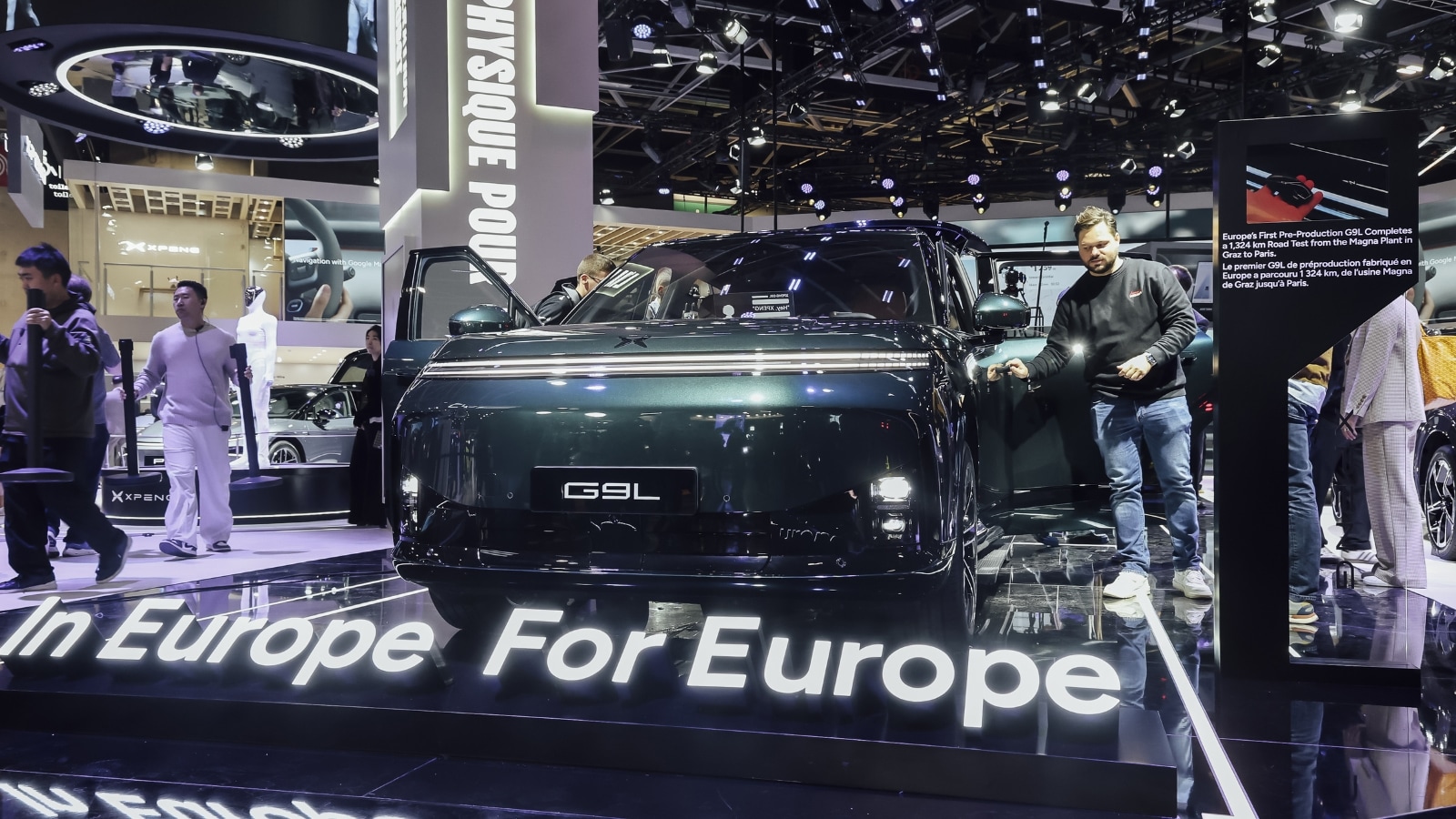
European legacy carmakers are panicking, and honestly, they brought it on themselves. For years, heritage brands assumed trade barriers and high import tariffs would comfortably protect their domestic turf from the rising tide of affordable electric vehicles coming out of Asia. That protective bubble is bursting right now. Chinese automotive groups aren't just shipping cars across oceans anymore; they are planting deep manufacturing roots straight inside Europe's borders.
If you look past the standard headlines about shifting trade policies, you will see a massive structural shift. Brands like BYD, Chery, and Changan are moving past simple import models. They are buying local assets, partnering with distressed European plants, and building assembly lines from scratch. This strategy completely sidesteps EU tariffs while undercutting legacy giants on cost, technology, and production speed. Building on this topic, you can find more in: When Smoke Threatens The Skyline Singapore And The High Stakes Of Outdoor Tourism.
The Factory Floor Strategy
Building cars locally is the ultimate insurance policy against trade wars. Brussels implemented aggressive tariffs on vehicles manufactured in China, hoping to slow down market penetration. Chinese executives responded with a masterclass in adaptation. Instead of retreating, they accelerated plans for European soil production.
Take BYD, for instance. The company is pushing forward with local manufacturing hubs in Hungary and exploring further sites in countries like France. Meanwhile, Geely has secured production deals utilizing existing European infrastructure, such as manufacturing electric SUVs out of established facilities in Spain. Experts at Harvard Business Review have provided expertise on this trend.
This isn't just about avoiding taxes. It is about supply chain proximity, shorter delivery times, and beating European competitors at their own manufacturing game. When a company can source components locally while maintaining hyper-efficient production techniques, the traditional pricing advantage that legacy brands relied on evaporates.
Why Nostalgia Fails Against Cost and Tech
European automakers have tried fighting back with a heavy dose of sentimentality. At recent auto shows, legacy brands rolled out wave after wave of retro-styled electric revivals, hoping buyer nostalgia would offset missing tech features. Renault brought back its classic mid-sized hatchback design as an EV. Stellantis and Volkswagen leaned heavily into vintage aesthetics to grab headlines.
Nostalgia sells cars to enthusiasts, but it doesn't solve the mass-market cost crisis. Average consumers care about battery range, fast-charging infrastructure, and price tags. Chinese manufacturers understood this reality early. They packed affordable models with advanced software and high-density battery options that leave legacy equivalents struggling to catch up.
When you can buy an electric vehicle with cutting-edge infotainment and robust range for thousands less than a domestic counterpart, historical brand loyalty fades fast. Legacy executives are realizing that heritage branding doesn't pay monthly loan installments.
The Standoff Over European Assets
The most fascinating part of this transition is how willing Chinese firms are to collaborate with—or outright absorb—struggling European manufacturing capacity. Traditional plants are facing closures due to falling demand for legacy combustion engines and sluggish internal EV uptake. Volkswagen recently shut down long-standing domestic facilities, highlighting the immense pressure facing old-guard management.
Into this vacuum step Chinese automakers. Companies like Leapmotor have teamed up with Stellantis to manufacture vehicles locally in Spain. Hongqi, the luxury arm of FAW, has held active talks regarding shared production lines at established European plants.
This creates a bizarre paradox for the European Union. Regulators want to protect local industrial jobs, yet Chinese manufacturers are saving those exact jobs by revitalizing dormant or underutilized facilities.
What Comes Next for the Auto Market
The window for legacy automakers to adapt is closing rapidly. Throwing money at retro redesigns or lobbying for harsher trade barriers will only delay the inevitable. Surviving this era requires ruthless cost-cutting, accelerated software development, and a complete overhaul of how traditional factories operate.
If you're watching the global auto sector, stop looking at quarterly import statistics. Watch the real estate deeds and manufacturing partnerships unfolding across Southern and Eastern Europe. That is where the next decade of automotive dominance is being decided.