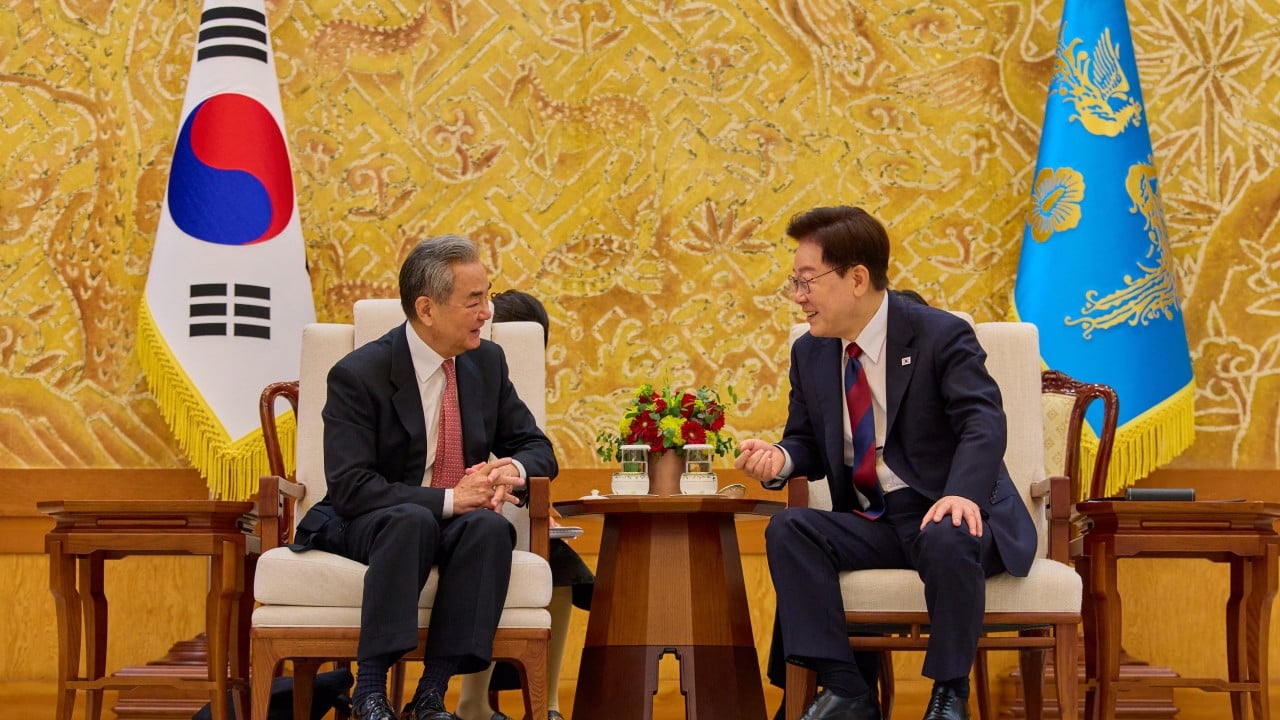
The headlines make it sound like a simple diplomatic visit. But when China’s top diplomat, Wang Yi, touches down in Seoul for his first visit in nearly five years, you aren't just looking at a handshake. You're looking at a calculated attempt to redraw the map of East Asian alliances.
The timing is far from accidental. Across the Pacific, Washington is acting like a fair-weather friend. President Donald Trump’s recent orders to "substantially reduce" joint military exercises with South Korea—without much of a heads-up—have left officials in Seoul scrambling. It’s an opening. Beijing, always the opportunist, is walking right through it.
The Strategy Behind The Smile
Beijing wants one thing: to keep South Korea from turning into a permanent outpost of a U.S.-led "strategic bloc." Wang Yi’s rhetoric is carefully calibrated. He’s talking about "constructive roles" and "peaceful coexistence." It’s polished diplomacy. But look closer at what he’s actually asking for.
He wants Seoul to pursue "strategic autonomy." In plain English? He wants South Korea to stop following Washington's lead on every security issue. China is pushing for a world where Seoul can trade with Beijing, integrate its supply chains with China’s, and still stay neutral when the U.S. and China inevitably butt heads.
It's a tough sell, but it’s landing at a moment of genuine frustration.
The Washington Gap
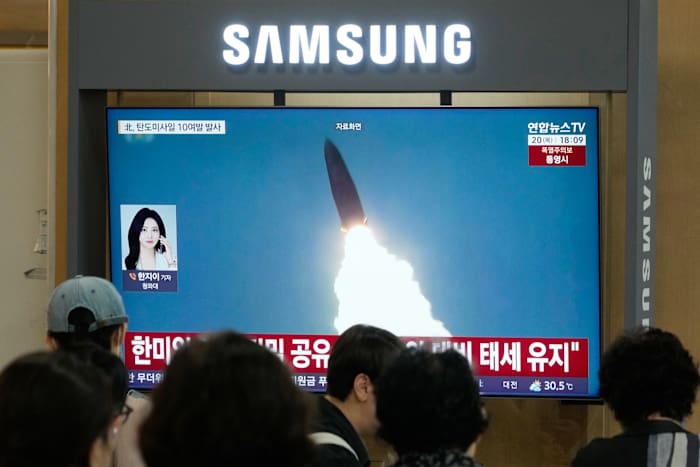
Let’s be honest about the tension. When the U.S. shifts its policy toward North Korea—signaling a potential willingness to reengage with Kim Jong-un—it leaves South Korea in a precarious spot. Seoul has spent years building a defense strategy around the idea that Washington has its back. If that reliability is in question, the entire logic of South Korea’s foreign policy starts to fray.
Wang Yi knows this. He’s using the friction to remind Seoul that China is their biggest neighbor and their most important trading partner. He’s telling them: "Why tie your fate entirely to a partner that keeps changing the rules?"
It’s an opinionated, direct approach. It’s also surprisingly effective in a climate where South Korean public sentiment toward the U.S. has been increasingly complicated.
Beyond The Platitudes
Many analysts focus on the security talk, but the economic subtext is where the real work is happening. Beijing is pushing to accelerate the second phase of the South Korea-China Free Trade Agreement. They’re dangling the prospect of getting South Korean cultural content back into the Chinese market.
Basically, they’re offering carrots to go with the geopolitical stick.
During his meetings with Foreign Minister Cho Hyun and National Security Adviser Wi Sung-lac, the conversation wasn't just about North Korea. They discussed artificial intelligence, the green energy transition, and the digital economy. These aren't just polite talking points. These are the industries that will define the next decade of growth for both countries.
Why This Matters In 2026
If you’re watching the Pacific, don't focus on the rhetoric of "friendship." Focus on the movement of influence.
The restoration of a dialogue channel between Seoul’s national security office and Beijing’s foreign affairs office is a big deal. It hasn't existed for nearly five years. By reopening that line, both sides are creating a "safety valve." Even if they disagree on the U.S. alliance or the status of North Korea, they now have a way to talk without waiting for a crisis.
China isn't necessarily trying to break the U.S.-South Korea alliance overnight. That’s not realistic. They are, however, trying to raise the cost of that alliance. If they can make Seoul feel that being too close to the U.S. hurts their economic and regional interests, they’ve already won a significant victory.
What Happens Next
Watch for how the Lee Jae Myung administration maneuvers ahead of the APEC summit in Shenzhen this November. President Lee has been floating the idea of multiparty discussions to formally end the Korean War. China’s support for that plan is crucial. If Seoul can get Beijing on board, they might just find a way to reanimate the dormant dialogue with Pyongyang.
But there’s a catch. Every step Seoul takes toward Beijing will be scrutinized in Washington.
For the average person, this isn't just news; it's a recalibration of how the world functions. The era of "picking a side" is being replaced by an era of "balancing interests." Seoul is walking a tightrope. They’re trying to keep their security shield with the U.S. while ensuring their economy isn't frozen out by their largest neighbor.
It’s a high-stakes balancing act, and for the first time in years, the needle is moving. Keep your eyes on the trade talks and the frequency of these high-level meetings. That’s where the real story is playing out.
The path forward for Seoul is thin. They need to secure their own interests without triggering an unnecessary confrontation. Whether they can actually pull it off is anyone's guess. But for now, Beijing has the floor, and they're making their case heard.