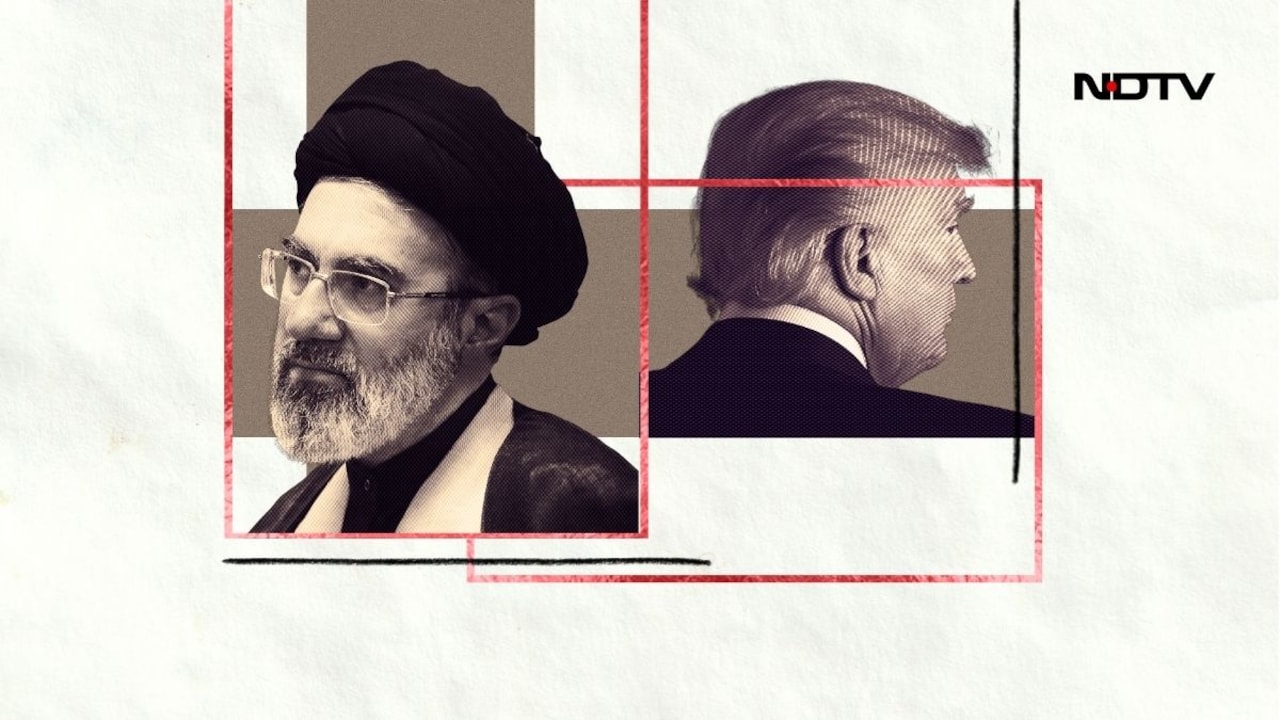
China is trying to pull off a delicate diplomatic stunt in South Asia. Beijing is pushing Pakistan to build a bridge for new US Iran negotiations, aiming to pause a war that's dragged on for nearly five months.
It sounds ambitious on paper. Iranian Interior Minister Eskandar Momeni made two quick trips to Islamabad within ten days, sitting down with top Pakistani government leaders and army chief Asim Munir. On the surface, everyone wants peace. Below the surface, the interests of Beijing, Tehran, Washington, and Islamabad don't match up.
If you're wondering why a China-backed diplomatic push is happening right now through Pakistan, the answer comes down to energy security, regional survival, and leverage. China imports massive amounts of oil through the Strait of Hormuz. Prolonged conflict destabilizes that trade pipeline. Pakistan sits right next door to Iran, sharing a volatile border while depending on financial backing from Gulf states like Saudi Arabia. Beijing needs a mediator that Tehran trusts and Washington might actually listen to. Pakistan fits that description.
The Real Drivers Behind China Push For Backchannel Diplomacy
Beijing rarely acts without a clear strategic calculation. China isn't stepping into this drama out of goodwill. Prolonged instability in the Middle East directly threatens Chinese economic interests.
Tankers carrying crude oil to Chinese ports pass through water routes currently exposed to drone strikes and naval standoffs. High oil prices hurt Chinese manufacturing growth. By urging Islamabad to host exploratory talks, Beijing protects its energy supply without committing Chinese troops or making formal security guarantees.
Iran feels the pressure too. Tehran faces severe economic strain after months of military exchanges. Eskandar Momeni, who maintains strong ties with the Islamic Revolutionary Guard Corps, didn't travel to Pakistan twice in ten days for routine security chats. Iran wants an exit ramp or at least a breathing room, but Tehran can't appear weak. Working through a third party like Pakistan allows Iranian officials to test the waters without making public concessions to Washington.
Pakistan has its own motives. Islamabad is broke. Army chief Asim Munir spent months balancing relationships between Riyadh, Beijing, and Tehran. Pakistani officials know that if the conflict spreads deeper into the Gulf, millions of Pakistani workers in Saudi Arabia and the UAE could face disruption, threatening vital foreign remittances. Playing the peacemaker gives Islamabad diplomatic capital in Washington while keeping Beijing happy.
Why Backchannel Conversations face Brutal Obstacles
Backchannel talks sound promising until you look at the preconditions required by regional players. Getting delegates into a room in Islamabad is the easy part. Settling real disputes is almost impossible right now.
- Gulf states want a complete halt to strikes targeting regional infrastructure before supporting any diplomatic deal.
- Washington demands concrete guarantees on maritime navigation rights in key trade corridors.
- Iran wants immediate relief from trade sanctions and an end to direct military strikes against its military installations.
- China wants stability without taking on formal security obligations in South Asia or the Middle East.
These goals clash directly. Trump has made it clear that US forces will hit Iranian infrastructure if commercial shipping faces continued attacks. Tehran responded with warnings of its own. When both sides trade direct threats every week, exploratory talks in Islamabad struggle to gain genuine traction.
Pakistani mediators are walking a tightrope. If Islamabad pushes Tehran too hard, border security between Pakistan and Iran deteriorates. If Pakistan appears too accommodating toward Iran, it risks alienating Saudi Arabia, a country that routinely bailouts Pakistan's economy with billions in loans and oil credits.
What Most Analysts Miss About Pakistan Role
Most headline coverage treats Pakistan as a simple errand runner for Chinese interests. That view misses how Pakistani military leadership operates.
Pakistan's army leadership wants to rebuild trust with Washington. After years of strained relations over Afghanistan, Islamabad sees an opportunity to position itself as an indispensable crisis manager. By facilitating communication between Washington and Tehran—even indirectly through China—Pakistan shows American policymakers that its military leadership holds unique value in regional security.
This isn't Pakistan's first time acting as a bridge between global rivals. In 1971, Islamabad played a secret role in connecting Washington with Beijing, paving the way for Henry Kissinger's historic visit to China. History doesn't repeat itself perfectly, but the strategy remains identical: use location and intelligence networks to earn credit with superpowers.
Yet the environment today is far messier. Fifty years ago, non-state actors didn't possess long-range drones or anti-ship missiles. Today, conflict escalation happens in minutes on social media and financial markets before diplomats even read their briefs.
How China Strategy Differs From Western Peace Initiatives
Western diplomacy often relies on formal summits, public conditionality, and heavy economic sanction frameworks. China prefers quiet, transaction-driven mediation.
Beijing doesn't care about internal governance or ideological commitments. Chinese foreign policy focuses on physical trade flow, port access, and raw resource security. When China mediated the Saudi-Iran agreement in 2023, it didn't solve deep sectarian disputes. It gave both sides a face-saving way to reduce immediate tensions so trade could continue.
Beijing is applying that same framework here. China isn't trying to resolve four decades of deep hostility between Washington and Tehran. Chinese officials simply want to stop active warfare from burning down economic corridors. They want Pakistan to broker a minimal ceasefire or operational pause that lowers energy market volatility.
Whether Washington bites is another story. American policymakers remain skeptical of any diplomatic process driven by Beijing. Accepting a Chinese-backed mediator could make Washington look dependent on Beijing's diplomatic network in Asia.
Practical Next Steps For Regional Observers
To evaluate whether these exploratory discussions in Islamabad will produce concrete results or collapse into diplomatic background noise, watch three specific indicators over the next month:
- Watch military activity in maritime transit corridors. If missile and drone strikes against commercial vessels slow down, it signals that Iranian leadership gave temporary space for talks. If attacks persist, the talks are dead on arrival.
- Monitor senior diplomatic travel between Islamabad, Riyadh, and Washington. If Pakistani officials make unannounced visits to US or Saudi capitals following Momeni's visits, actual proposals are moving behind closed doors.
- Track Chinese state statements regarding South Asian border security and Middle Eastern maritime routes. Shifts in official tone usually signal how confident Beijing feels about its mediation strategy.
Diplomacy in this region rarely delivers neat victories. Most often, it yields temporary pauses driven by mutual exhaustion. Whether this China-backed push succeeds depends less on how well Pakistani officials write press releases and more on whether Washington and Tehran decide they've suffered enough economic and military pain to stop shooting.