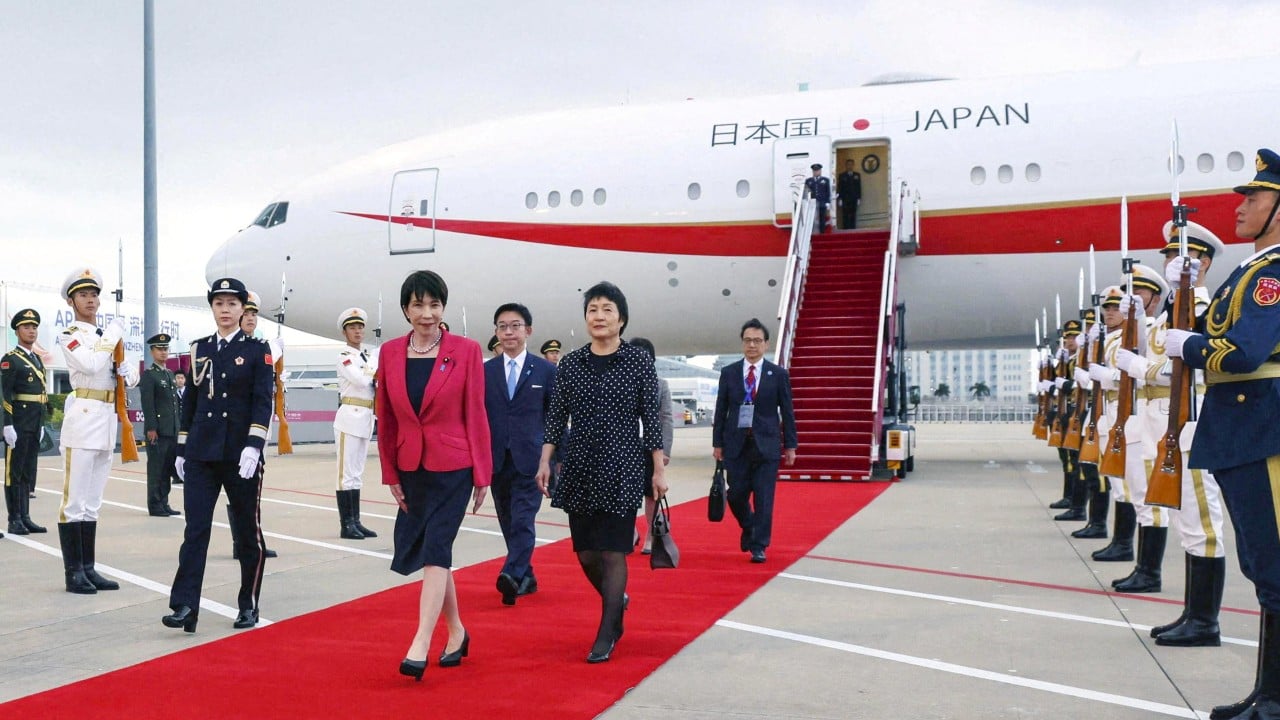
A red carpet, a retired envoy, and zero fanfare. When Japanese Prime Minister Sanae Takaichi stepped onto the tarmac in Shenzhen on November 18, 2026, for the Asia-Pacific Economic Cooperation summit, Beijing sent a message before she even reached the terminal.
Instead of a senior cabinet minister or heavy-hitting party figure, China had retired diplomat Zhang Qiyue waiting to receive her. No youth cheering squad. No musical welcome. Just a seasoned former spokesperson and ambassador—serving in a protocol capacity—standing alongside Japanese Ambassador to China Kenji Kanasugi.
If you're wondering why Beijing picked a retired diplomat for Sanae Takaichi at APEC, the short answer is calibrated signal-sending. China wanted to observe formal diplomatic etiquette just closely enough to avoid an outright breach of host duties, while withholding the warmth, seniority, and spectacle it lavished on other leaders at the summit.
It wasn't a slip-up. It was choreography.
What Protocol Greeters Actually Mean in Beijing
Most casual observers treat airport welcomes like background noise. They aren't. In East Asian diplomatic culture, every tier of official—from a vice minister to a senior party official to a veteran protocol envoy—carries weight.
Zhang Qiyue isn't a random retiree pulled off a park bench. She has decades of foreign service history behind her, including high-profile roles as a Foreign Ministry spokesperson and ambassadorial posts such as Indonesia and Greece, acting as a protocol ambassador for the Ministry of Foreign Affairs. Assigning someone with formal diplomatic pedigree lets Beijing say, "We sent an ambassador-rank envoy." At the same time, using a retired figure in a protocol slot rather than an active, policy-driving heavyweight keeps the greeting strictly procedural.
Compare that with how other arrivals played out around Shenzhen's Bao'an International Airport. As broadcasters like SBS noted, Japanese viewers saw stark contrasts between Takaichi's arrival and receptions for leaders like South Korea's President Lee Jae-myung, while Beijing rolled out major pageantry around the headline U.S.–China–Russia trilateral moment involving Donald Trump, Xi Jinping, and Vladimir Putin.
Honest truth? Protocol snubs work best when they're plausible deniability machines. Tokyo's Chief Cabinet Secretary Minoru Kihara pushed back against talk of a deliberate slight, noting that the host extended customary courtesies. Beijing gets to have it both ways: hawks at home see a cool shoulder for a tough Japanese leader, while diplomats can argue no formal rule was broken.
Why the Frost Between Tokyo and Beijing Runs So Deep
You can't read Shenzhen's tarmac without looking back to November 2025. That's when Takaichi—having taken office in October 2025—sparked a major row in Japan's parliament by suggesting that a military contingency involving Taiwan could threaten Japan's survival and potentially prompt a Self-Defense Forces response.
For Beijing, that crossed a bright red line. China views Taiwan as an internal matter and demanded a retraction. Tokyo stood firm, arguing its stance aligned with long-running security logic.
Once political trust froze, economic pressure followed. Analysts and outlets covering the fallout, including DW and international policy researchers like the Toda Peace Institute, have pointed to a string of friction points:
- Tightened export controls and scrutiny affecting critical minerals and dual-use items relevant to Japanese industry.
- Lingering restrictions on Japanese seafood and official travel warnings discouraging Chinese tourists from visiting Japan.
- No formal bilateral leaders' meeting for Takaichi with Xi Jinping during the Shenzhen summit, even as the two exchanged a brief handshake and crossed paths at summit events.
As Kobe University international relations professor David Adebahr noted in coverage of the APEC fallout, Beijing behaves as though it holds sharper leverage today—from rare earth supply dependencies to regional military posturing and uneven signals from Washington—giving Xi little reason to hand Takaichi an easy face-saving win on camera.
The Stair Gap and the Optics Trap
Then came the boarding stairs story. Days after the summit, The Japan Times reported that sources familiar with the situation pointed to a lifting-mechanism malfunction causing a gap between the aircraft and the stairs, which Japanese officials spotted and warned the delegation about before disembarking.
That detail matters for anyone separating fact from internet rumor. Some commentators immediately assumed the stair gap was a calculated insult aimed at Takaichi, who has spoken openly about managing rheumatoid arthritis. Maybe people on social media read malice into every inch of metal. Yet attributing every airport glitch to grand strategy is a classic mistake in foreign policy analysis. Sometimes a machine simply acts up.
What wasn't an accident was the rest of the staging: the quiet apron, the lack of crowd entertainment, the retired protocol envoy, and the absence of a sit-down summit with Xi. Even without a single faulty hydraulic strut, the overall atmosphere was unmistakably cool.
What Everyone Gets Wrong About Diplomatic Cold Shoulders
Here's where people usually misread moments like this. A frosty airport welcome feels dramatic, almost personal, like a schoolyard freeze-out. In reality, states run on cold interest, not mood swings.
First, a snub doesn't automatically mean war is imminent tomorrow—even if residents near flashpoints like Yonaguni understandably feel anxious when rhetoric heats up. Both Tokyo and Beijing know how deeply intertwined their supply chains and regional trade still are.
Second, public coldness can backfire on the sender. As political observers noted after Shenzhen, putting a tough conservative prime minister through a visibly chilly reception in China can actually rally her domestic base back home. When a foreign capital treats your leader coldly on arrival, domestic politics in Tokyo often rewards defiance rather than apology.
Third, treating a single summit as a permanent verdict misses how Xi Jinping manages big multilateral stages. Shenzhen was about projecting China as a central organizer of regional diplomacy and hosting high-wattage big-power optics ahead of the Communist Party's 21st national congress slated for fall 2027. Keeping Takaichi at arm's length fit that script without derailing the wider APEC showcase.
Practical Next Steps for Tracking China and Japan Ties
If you follow East Asian geopolitics, supply chains, or business risk in the region, don't stop at airport clips. Watch what happens next through a few concrete lenses:
- Track supply chain advisories, not just speeches. Monitor Japan's Ministry of Economy, Trade and Industry alongside Chinese commerce notices on critical minerals, rare earths, and dual-use goods. Real policy shifts show up in licensing rules long before they show up in joint statements.
- Separate protocol theater from working-level channels. Look past handshakes or cold stares at leader summits and check whether mid-level diplomatic, consular, and trade channels stay open. Quiet backchannels often keep functioning even when top-level optics stay icy.
- Watch domestic political calendars. Keep an eye on Japanese coalition dynamics and upcoming Chinese party milestones leading into 2027. Leaders rarely make major concessions when domestic audiences expect toughness.
- Stress-test regional exposure. If you run or advise a business tied to electronics, autos, tourism, or cross-border logistics in Northeast Asia, map single-source dependencies and keep contingency suppliers active rather than betting on a sudden diplomatic reset.
Japan PM Sanae Takaichi Gets Low-Key Welcome at APEC Summit
This video highlights the muted airport reception in Shenzhen and shows the visual contrast that fueled international debate over how Beijing treated Takaichi at the summit.