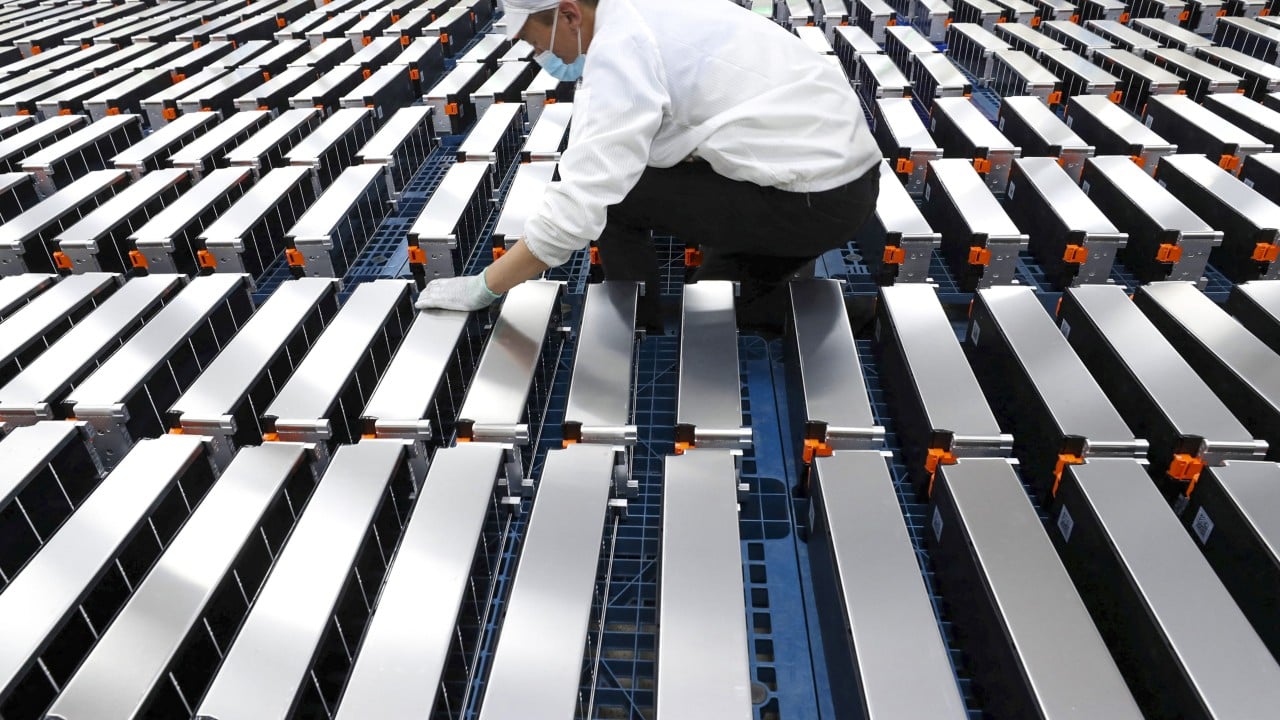
Everybody wants a piece of the next energy revolution. Right now, Beijing is betting hard on a specific deadline. China has officially outlined a clear road map to hit mass production of solid-state batteries by 2030. That is not just a casual target. It is a calculated move designed to lock down global dominance in electric vehicles for the next decade.
Western legacy automakers are still trying to figure out how to squeeze better margins out of conventional lithium-ion packs. Meanwhile, Chinese firms are already building the next wall. If you think the current wave of imported electric cars is disrupting Western markets, wait until next-generation chemistry hits the pavement. Learn more on a related subject: this related article.
Let's look at what is actually happening behind the scenes.
The 2030 Solid State Battery Sprint
Traditional lithium-ion cells have served us well, but they are hitting their physical limits. Thermal runaway risks, heavy weight, and mediocre cold-weather performance plague standard packs. Solid-state technology changes the physics entirely. By swapping liquid electrolytes for solid materials, manufacturers can pack way more energy into a smaller space while slashing charging times and eliminating fire hazards. Additional analysis by Forbes delves into comparable perspectives on the subject.
China's industrial planners know this. The goal for 2030 isn't just about laboratory breakthroughs. Beijing wants supply chain dominance locked in from raw materials to final assembly. Companies like CATL are already pushing trial production lines forward in places like Hungary, making sure they bypass trade barriers before foreign regulators can blink. When you have giants investing billions across borders—such as Volkswagen and Gotion teaming up for multi-billion euro production lines—you realize this isn't a regional science experiment. It is a global manufacturing blitz.
European Expansion Amid Trade Friction
Brussels tried to build walls. Tariffs and anti-subsidy investigations aimed to slow down the flood of affordable Chinese electric cars entering the European Union. Honestly, it hasn't worked the way policymakers hoped.
European drivers are facing stubborn high petrol prices and a desperate need for affordable green transport. Chinese carmakers like BYD have responded by shifting tactics. Instead of just exporting finished cars from home ports, they are establishing deep local partnerships, setting up joint ventures, and building factories right inside Europe.
Plug-in hybrids and pure electric models from Chinese brands are capturing market share because they hit showroom floors with better tech at lower prices. European heritage brands are caught in a brutal squeeze. They face weak domestic demand at home, rising tax disputes over lithium-ion inputs, and a fast-moving competitor that refuses to slow down.
Supply Chain Realities and Supplier Diversification
It is easy to think of China's EV machine as a single monolithic block, but reality is messier. Even domestic champions like CATL are feeling the pressure. Market chatter about automakers diversifying their supply bases has caused share price jitters. Beijing's industry watchers have even stepped in to calm panic over so-called de-CATLisation.
Carmakers are fighting tooth and nail over margins. In China, vehicle manufacturers and battery suppliers are currently locked in intense negotiations over a resumed consumption tax. When car demand slows down at home, everyone looks for someone else to absorb the cost. This friction forces Chinese players to look outward with even more urgency. Europe isn't just an expansion market anymore. It is an escape valve for excess domestic production capacity.
What Happens Next
The race for solid-state dominance is going to redraw the map of global transport. By 2030, the brands that control this technology won't just lead the market—they will dictate the terms of trade for decades.
If you are a traditional carmaker based in Detroit, Wolfsburg, or Tokyo, the clock is ticking. Stop waiting for solid-state batteries to magically appear as drop-in replacements. Rebuild your supply chains, slash bureaucracy, and start investing in local production partnerships now. The window to catch up is closing fast.