Modern tank warfare has changed completely. If you thought a main battle tank could survive simply by having thick steel and a powerful cannon, recent conflicts in Ukraine and the Middle East proved everyone wrong. Small, cheap FPV drones carrying shaped charges can easily disable multi-million dollar armor by striking weak roof panels or engine decks. Beijing noticed this brutal reality and acted fast.
China has rolled out a heavily upgraded version of its export-focused VT-4 main battle tank, widely known as the VT-4B. Because this armored vehicle forms a crucial backbone of Pakistan's military fleet under local production agreements—where it is manufactured under the name Haider—the upgrades carry immense strategic implications for South Asian defense dynamics and regional security calculations. You might also find this connected article insightful: Why American Democrats Are Finally Dropping Culture Wars For Class Politics.
The Anti Drone Revolution Inside Modern Armor
The standout feature of the newly unveiled VT-4B variant is its laser focus on drone defense. Traditional main battle tanks were built to fight other tanks, not buzzing aerial threats hovering above the tree line.
To fix this vulnerability, the upgraded tank integrates advanced active protection systems and sensor packages. Images circulating from defense exhibitions show thicker explosive reactive armor spread across the front hull and turret sides, extending lower down to protect running gear. More importantly, the vehicle incorporates systems resembling China's GL-6 active protection architecture, featuring phased-array radar panels mounted on the turret to provide 360-degree threat detection. As reported in latest articles by TIME, the results are widespread.
Alongside these radar arrays sit specialized interceptor launchers near the rear of the turret designed to destroy incoming projectiles before impact. Military analysts have also pointed out a small radio-frequency array next to the remotely operated gun, sparking debate over whether it functions as an independent fire-control radar or a compact high-power microwave emitter meant to fry drone electronics mid-air.
What This Means for Pakistan and Regional Balances
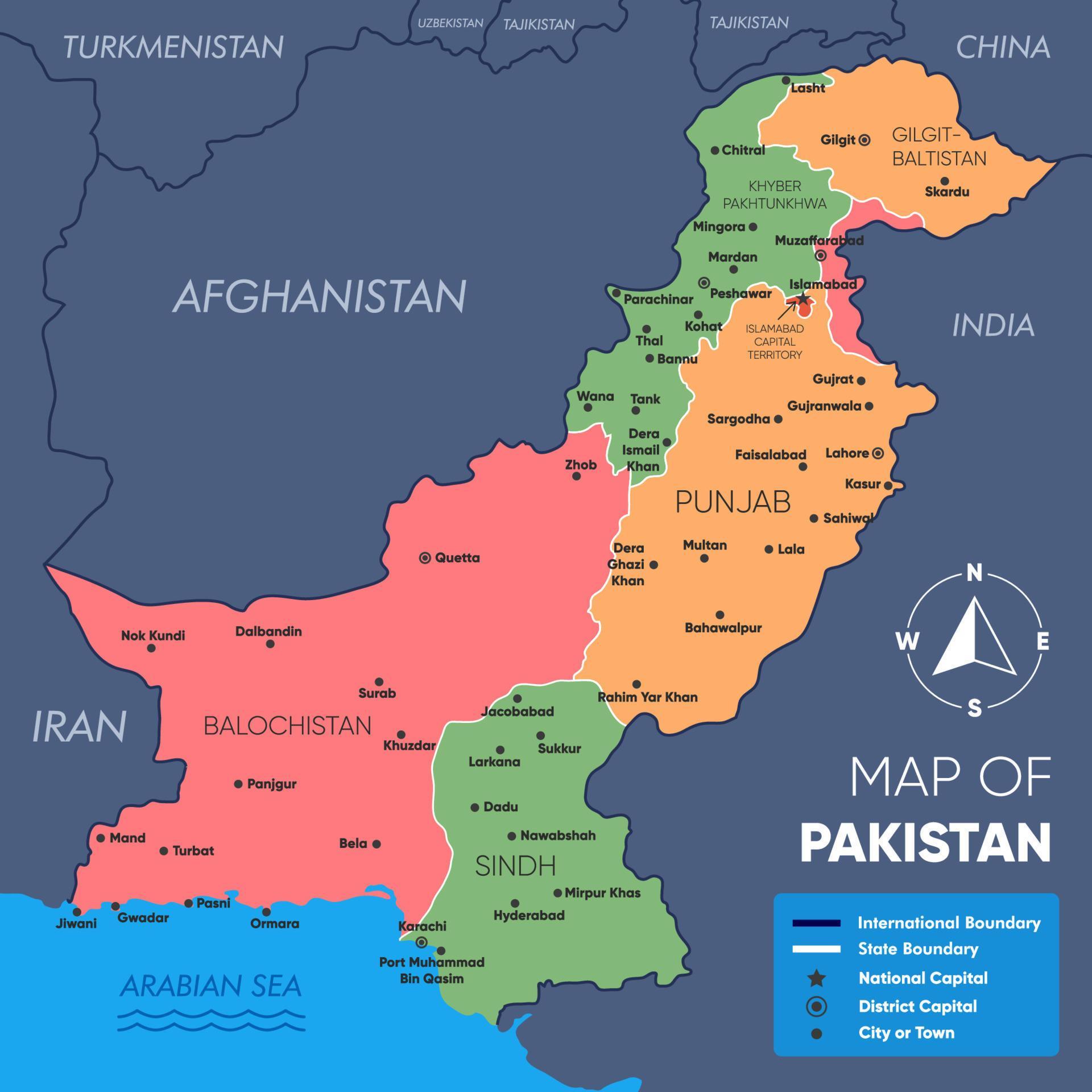
According to the Stockholm International Peace Research Institute arms transfers database, Pakistan previously signed a massive contract to acquire hundreds of VT-4 tanks, with provisions for local assembly and license production. Islamabad relies heavily on Chinese military hardware, with estimates suggesting that a vast majority of its defense equipment originates from Beijing.
However, whether Pakistan will immediately transition to or procure this specific upgraded VT-4B variant remains unconfirmed. Upgrading existing fleets requires time, money, and institutional alignment. Even so, the mere existence of the VT-4B demonstrates how quickly defense contractors adapt export models based on lessons learned from real-world combat zones.
For regional rivals like India, the appearance of an anti-drone fortified VT-4 variant forces a strategic rethink. India's armored corps, which heavily fields T-90 Bhishma tanks and indigenous platforms, faces the same evolving threat landscape. Both nations are rushing to integrate local anti-drone measures, electronic jamming, and active protection systems into their heavy armor to prevent expensive losses on future battlefields.
The Broader Shift in Global Arms Exports
For years, defense exports from major military powers were judged primarily by raw firepower, engine horsepower, and armor thickness. Today, electronic warfare integration and network-centric warfare capabilities dictate market success.
By retrofitting the VT-4 with advanced thermal optics, faster data-sharing antennas, and hard-kill drone defenses, Beijing is signaling to international buyers that its export hardware can keep pace with contemporary warfare demands. Whether customers like Thailand, Nigeria, and Pakistan decide to adopt these specific enhancements will test how much buyers are willing to pay for cutting-edge survivability in an era dominated by cheap aerial threats.