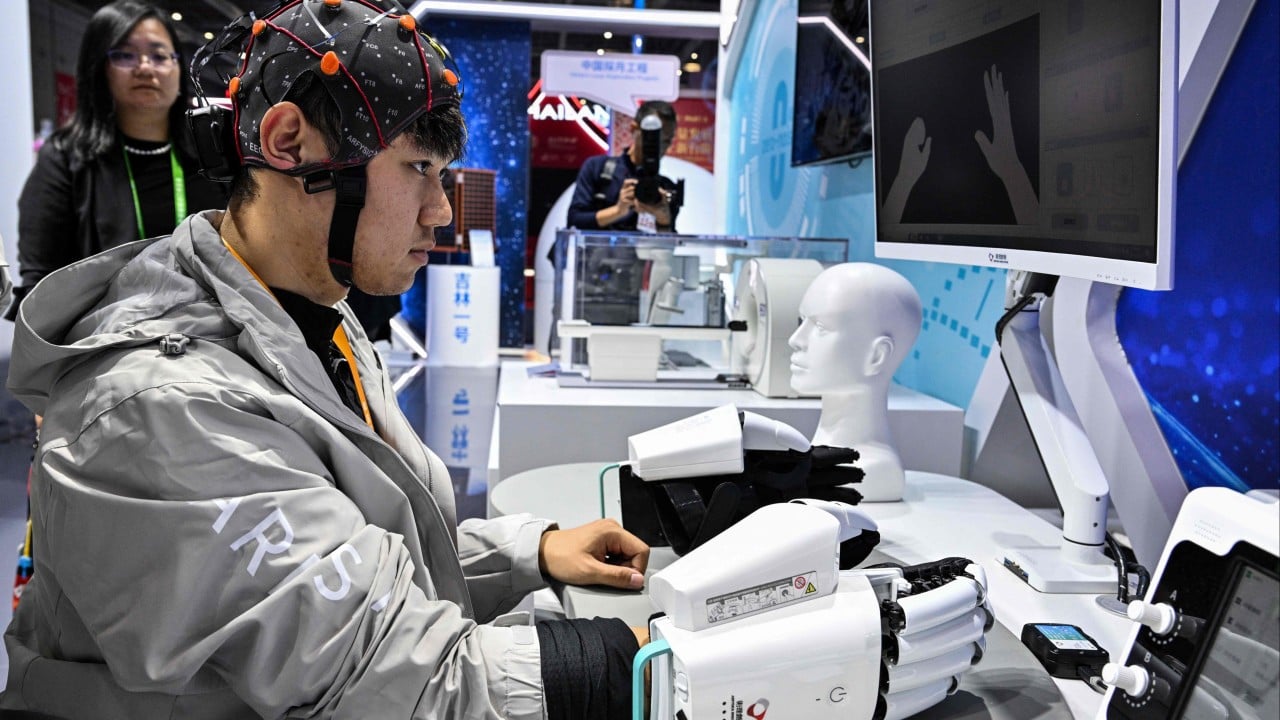
For years, the race to build functional brain computer interfaces felt like a wild west. Startups implanted chips, software engineers trained algorithms to read neural signals, and regulators in Washington and Brussels scrambled to figure out what category to put these medical devices in.
Now, Beijing is changing the game. Don't forget to check out our previous post on this related article.
China isn't just building neural hardware or running clinical trials to help paralyzed patients text with their thoughts. It's actively positioning itself to write the global standard for brain computer interface technology. By pushing out concrete national standards and taking key leadership roles in international bodies like the ISO/IEC JTC 1/SC 43 subcommittee, China is shifting from a fast follower into the architect of the neurotechnology rulebook.
If you think standardizing tech policy is boring bureaucratic work, you're missing the big picture. Whoever defines the standards controls the market. If you want more about the history of this, Gizmodo provides an in-depth summary.
Why Technical Standards Dictate the Future
When an industry operates in a regulatory grey zone, innovation moves fast, but commercialization stalls. Hospitals hesitate to buy uncertified devices, foreign investors worry about sudden bans, and safety protocols vary wildly between labs.
China's strategy addresses this friction head-on. By introducing systematic regulations—including the world's first medical device standard explicitly tailored for AI-enabled brain computer interfaces—the country is building a predictable track for developers.
This framework covers core technical metrics that matter in the real world:
- Signal acquisition accuracy and electrode performance benchmarks.
- Algorithmic transparency and update governance for machine learning components that interpret neural activity in real time.
- Cybersecurity protocols for implanted hardware to prevent malicious interference.
Instead of waiting for Western regulatory bodies like the US Food and Drug Administration to establish global norms, Beijing has created a working template. For global tech companies looking to scale, ignoring these local frameworks is no longer an option. If your device doesn't meet the baseline established in Beijing, you're locked out of one of the world's fastest-growing medical device markets.
The Push Toward 2027
This standard-setting drive didn't happen by accident. It stems from a heavily coordinated national roadmap designed to hit major milestones. Government bodies including the Ministry of Industry and Information Technology have aligned behind neurotechnology as a critical future industry.
The target is clear. By 2027, China aims to ensure its domestic brain computer interface electrodes and integrated systems match global performance tiers. The goal also involves creating two to three dedicated industrial clusters that turn raw neural data processing into commercial products.
Non-invasive systems currently dominate the market, accounting for the vast majority of commercial value due to lower consumer barriers and zero surgical risks. However, clinical milestones involving invasive implants—such as patients controlling robotic limbs or typing via direct neural decoding—are receiving heavy institutional backing and clinical trial support from the National Medical Products Administration.
When you combine state-backed clinical infrastructure with clear manufacturing baselines, you get an environment where commercialization moves at lightning speed.
What This Means for Global Competitors
Western tech companies have long assumed they would dictate the compliance standards for advanced medical tech. That assumption is crumbling.
When a nation establishes terminology, data protocols, and safety rules first, international bodies are forced to respond. They either have to adopt similar frameworks or risk fragmentation where devices approved in Asia cannot easily interface with software stacks in Europe or North America.
We're watching a standard-setting race play out in real time. Brain computer interfaces are shifting from science fiction experiments into regulated medical commodities. The companies and countries that master compliance today will dictate how human-machine integration looks for the next thirty years.
Pay attention to how international standards bodies react over the coming months. The rules being written right now will govern the next generation of human cognition.


