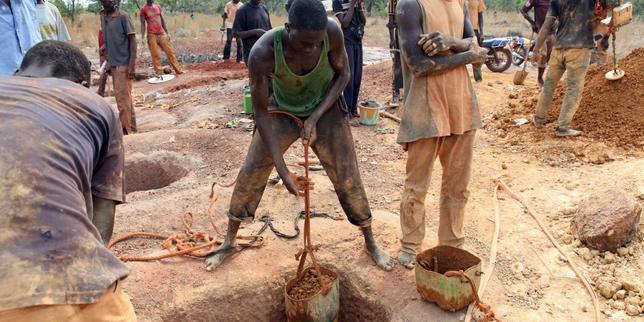
You don't need a map to find the gold fields in Mali. You just follow the heavy machinery tracks tearing through the Sahel, past villages where local traditions are vanishing under the weight of industrial excavators. For years, the gold rush in West Africa was defined by local diggers wielding shovels and pans. Today, a very different kind of operation dominates the landscape, fueled by foreign capital, sophisticated heavy equipment, and a web of administrative corruption that stretches from local chiefs all the way up to ministry corridors.
When foreign entrepreneurs first started showing up in Malian gold regions like Kayes, Koulikoro, and Sikasso around the decade prior, many locals welcomed the investment. After all, gold mining has been a cornerstone of survival for generations. But the arrival of Chinese operators fundamentally shifted the rules of the game. What was once small-scale artisanal extraction quickly morphed into semi-industrial destruction, powered by massive backhoes and chemical agents that leave local ecosystems completely shattered.
The Reality on the Ground
Walk onto any of these unauthorized sites today, and you will see a massive industrial footprint operating under the flimsy disguise of artisanal permits. Heavy excavators tear up riverbeds and forests, turning fertile land into toxic lunar landscapes filled with stagnant, mercury-laced pools.
The economic fallout is massive. While Mali remains one of the top gold producers on the continent, a staggering amount of the yellow metal leaves the country undocumented. Millions of dollars slip past state coffers into illicit export networks, often routed through intermediary hubs like the United Arab Emirates. Official government statistics frequently report a tiny fraction of what actually gets extracted and shipped abroad, robbing local communities of the schools, hospitals, and infrastructure that tax revenues should provide.
Why Corruption Persists
How do these foreign operators manage to bypass environmental laws, labor regulations, and tax agencies so easily? The answer lies in a pervasive system of patronage. Local administrators, customary chiefs, and high-ranking government officials are frequently accused of turning a blind eye in exchange for steady payouts.
As insiders often point out, the system functions because everyone from the bottom of the administrative ladder to the top of the ministries has a financial incentive to keep quiet. When enforcement agents do occasionally show up, warnings arrive well in advance. Permits that should take months to verify are rubber-stamped overnight, and environmental infractions are routinely dismissed with a small fine that amounts to pocket change for operators pulling millions out of the ground.
Environmental and Social Aftermath
The human cost of this unchecked gold rush is heavy. Local farmers find their fields poisoned by runoff, and traditional fishing communities watch their water sources dry up or turn toxic. Tensions frequently flare between local residents and foreign managers who bring in outside laborers rather than hiring from neighboring villages.
Furthermore, regional crackdowns—such as those seen recently in neighboring Guinea that pushed thousands of displaced diggers toward Malian borders—highlight how unstable this entire subterranean economy truly is. When states suddenly try to clamp down on illegal operations, it triggers immediate humanitarian crises and mass population shifts, straining already fragile local resources.
If governments across the Sahel don't enforce strict environmental transparency and root out the deep-seated bribery enabling these operations, entire regions risk being bled dry. The gold beneath the soil is finite, but the ecological and social scars left behind will last for generations.
This video provides additional context on the controversies surrounding foreign mining practices in the region.