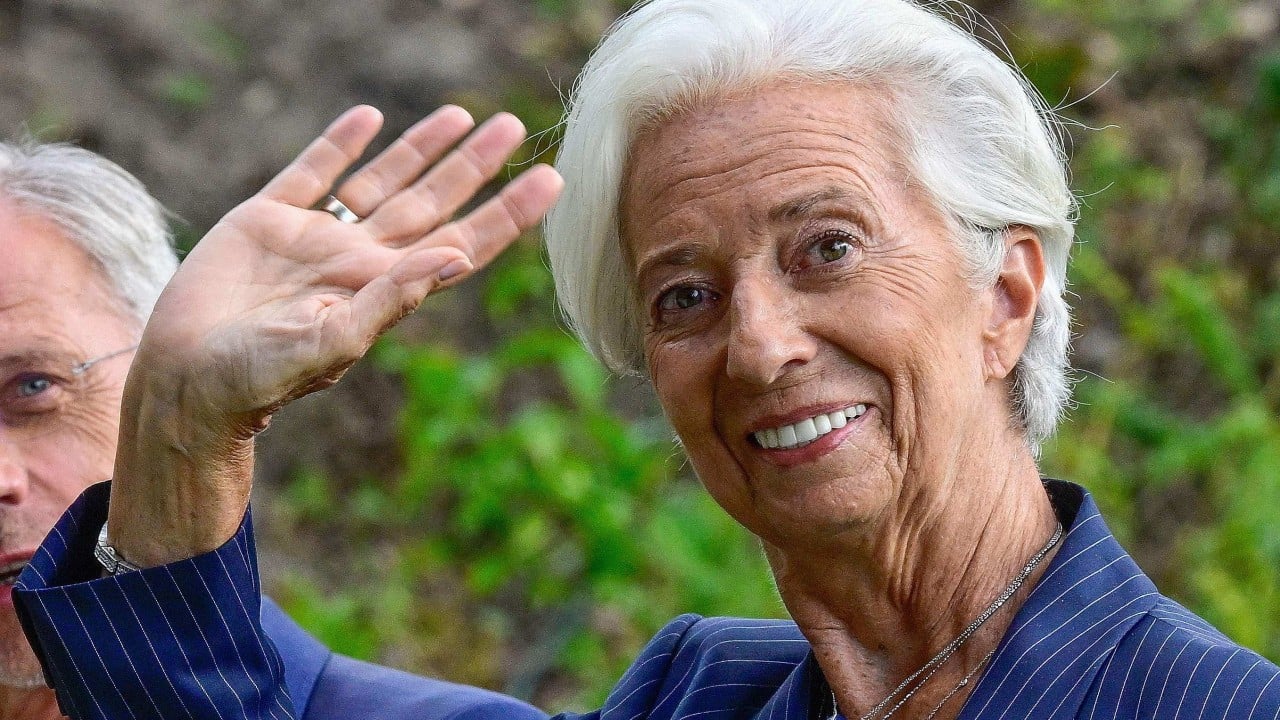
European Central Bank President Christine Lagarde is stepping down early, and European financial markets are already feeling the tremors. Lagarde informed the Governing Council and European Council President António Costa that she will officially leave her post on February 7, 2027, cutting her eight-year term short by several months.
When a central bank chief walks away before the final bell, people pay attention. This departure isn't just about a calendar change in Frankfurt. It signals a major shift as the eurozone grapples with stubborn inflation pressures, sluggish growth, and fractured domestic politics across member states, particularly in France.
The Timing Behind the Exit
Lagarde's announcement caught few seasoned watchers completely by surprise, but the timing is striking. Stepping down in early 2027 puts the European Union in a delicate transition window. Europe is dealing with shifting trade dynamics, sovereign debt anxiety, and heavy political friction.
Reports indicate Lagarde intends to focus more closely on political developments in her native France and broader international matters. Transitioning out of a strictly non-partisan monetary role allows her greater freedom to speak out. Yet, for the ECB, losing its high-profile anchor creates an immediate leadership vacuum.
What the Succession Battle Means for Markets
The race to find Lagarde's successor is officially underway. Under Article 283 of the Treaty on the Functioning of the European Union, the European Council will handle the nomination process.
Markets hate uncertainty. Central bank credibility depends heavily on predictable leadership and clear communication. Whoever takes the helm in Frankfurt will inherit a central bank caught between competing demands:
- Keeping interest rates restrictive enough to tame residual inflation.
- Avoiding a deeper economic contraction across industrial powerhouses like Germany and France.
- Managing potential bond market stress through tools like the Transmission Protection Instrument without triggering political backlash.
The debate over monetary direction will intensify over the coming months. Hawks want tighter monetary controls to lock in price stability. Doves worry that prolonged high borrowing costs will choke off what little growth the eurozone has left.
Broader Economic Headwinds
Europe's economic landscape looks nothing like it did when Lagarde took office in November 2019. The post-pandemic recovery collided with energy shocks, supply chain fragmentation, and shifting global trade policies.
Germany's manufacturing sector continues to struggle with high energy costs. Meanwhile, French fiscal deficits have become a constant source of anxiety in Brussels and bond markets alike. Lagarde spent years balancing these conflicting national interests while trying to speak with one unified voice for the euro area.
Her departure leaves the ECB without its most recognizable diplomatic heavyweight at a moment when European unity faces daily tests.
Navigating the Next Phase
If you track European equities, currency markets, or sovereign debt, you need to watch the succession announcements closely. The candidate pool will reveal whether EU leaders want an institutional traditionalist or a more reform-minded political figure to steer monetary policy.
Expect heightened volatility in the euro as the nomination talks progress through late 2026 and early 2027. Keep an eye on yield spreads between German bunds and other eurozone debt instruments. Those numbers will tell you immediately whether investors trust the upcoming transition or fear a loss of monetary discipline.
Prepare your portfolio for a bumpy ride in Frankfurt. The post-Lagarde era is arriving faster than expected.