Political survival isn't pretty. New Zealand Prime Minister Christopher Luxon just proved that by staring down his second internal party challenge in four months, barely three months out from a high-stakes general election.
If you're wondering how a sitting prime minister manages to cling to power while fighting off mutinies from his own side, the answer comes down to cold political math and a total lack of a consensus replacement. Let's look at what actually happened behind closed doors in Wellington, why Luxon's leadership keeps wobbling, and what this chaos means for the upcoming November 7 vote.
The Anatomy of a Hidden Crisis
Wellington works fast when panic sets in. On a Tuesday evening, Luxon took the unusual step of breaking news on social media that his own caucus was rumbling. Instead of waiting for a leak to fester, he dragged the conflict into the light and called a mandatory meeting for Wednesday morning.
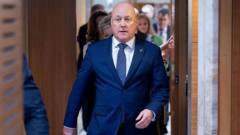
The meeting of National Party lawmakers ran for over three hours behind closed doors at Parliament. When the doors finally opened, Luxon stepped out flanked by his deputy Nicola Willis and key potential rivals—including Chris Bishop, Erica Stanford, and Mark Mitchell—to present a unified front.
He claimed full support from his caucus. He didn't drop specific numbers, because secret ballots rarely give leaders a clean bragging rights scorecard. But he survived. Again. That matters more than vote counts right now.
Why the National Party is Sweating
You don't challenge your own leader twice in a single year unless things are going sideways. National has led a right-wing coalition government since the 2023 election, but the political honeymoon ended long ago.
The pressure cooker intensified due to a string of self-inflicted wounds and a sluggish domestic economy. Unemployment sits at an 11-year high, and inflation has danced above the central bank's target band. Voters feel the pinch, and they tend to take it out on the person sitting in the executive chair.
Luxon, a former corporate executive who ran airlines before entering politics in 2020, loves to pitch himself as a pragmatic turnaround specialist. That pitch soured recently when he publicly lectured a business audience, claiming local business leaders suffered from a "parent-child mentality" and relied too heavily on government hand-holding.
Critics pounced. Allies cringed. It felt tone-deaf during an economic downturn.
Add in an unexpected solo promise to hold a referendum on the electoral system without clearing it with his own MPs, plus minor travel controversies, and you get a recipe for restless lawmakers. Members of Parliament facing tough individual electoral races get nervous when national polling flatlines. They start looking at survival metrics over loyalty.
The Opposition Smells Blood
Naturally, the political opposition wasted no time twisting the knife. Labour leader Chris Hipkins labeled the internal friction a pointless distraction, asking a simple rhetorical question: if a party can't govern its own internal caucus, how can voters trust it to run an entire country?
It's a textbook line of attack. Mid-term leadership squabbles destroy the aura of competence that center-right parties usually try to project. New Zealand political history is littered with administrations that self-destructed because they swapped horses mid-stream or looked deeply divided right before voters went to the ballot box.
Why Nobody Pulled the Trigger
If discontent runs so deep, why didn't someone launch a formal coup?
Political analyst Ben Thomas pointed out the basic reality of late-term uprisings. To roll a sitting prime minister just 87 days before an election requires an overwhelming consensus on who replaces them. No consensus existed.
Ambafious backbenchers might whisper in hallways, but stepping forward as a public challenger right before a national campaign is political suicide. If you strike at the king, you better not miss. Nobody wanted to own a fractured party heading into November. MPs decided it was a classic case of sticking with the devil you know.
What Happens Next
Luxon walked away from the podium quickly on Wednesday, refusing to take questions from reporters before retreating back to work. He wants to pivot the narrative immediately back to policy and the campaign trail.
Yet, surviving a vote doesn't cure the underlying disease. The damage to his personal brand is real. Voters already viewed him with a degree of skepticism compared to some of his charismatic predecessors, and these repeated confidence votes project internal weakness.
The election on November 7 remains entirely up for grabs. If National wants to hold onto power, Luxon has to stop handing talking points to the opposition and prove his corporate background can actually fix the economic metrics weighing down everyday households.
If he stumbles again before November, the third time won't be a charm. It will be the end.