You take a short course of antibiotics. The burning sensation returns three days later. You go back. The dipstick test says your urine is clean. The doctor hands you a pamphlet on hydration and sends you home.
This cycle repeats for months, sometimes decades.
Right now, 1.6 million women in the UK alone are trapped in this exact nightmare with chronic urinary tract infections. It's not just an inconvenient annoyance. It's a debilitating, life-wrecking condition that conventional medicine routinely dismisses, misdiagnoses, and fails to treat properly.
Let's look at why standard care is failing millions and what you actually need to know about persistent bladder pain.
The Flawed Logic of Standard Testing
If you've ever sat in a clinic clutching your lower abdomen while a clinician dips a plastic strip into a specimen cup, you've experienced modern urology's biggest blind spot. Standard urine dipsticks and basic laboratory cultures are notoriously unreliable for chronic infections.
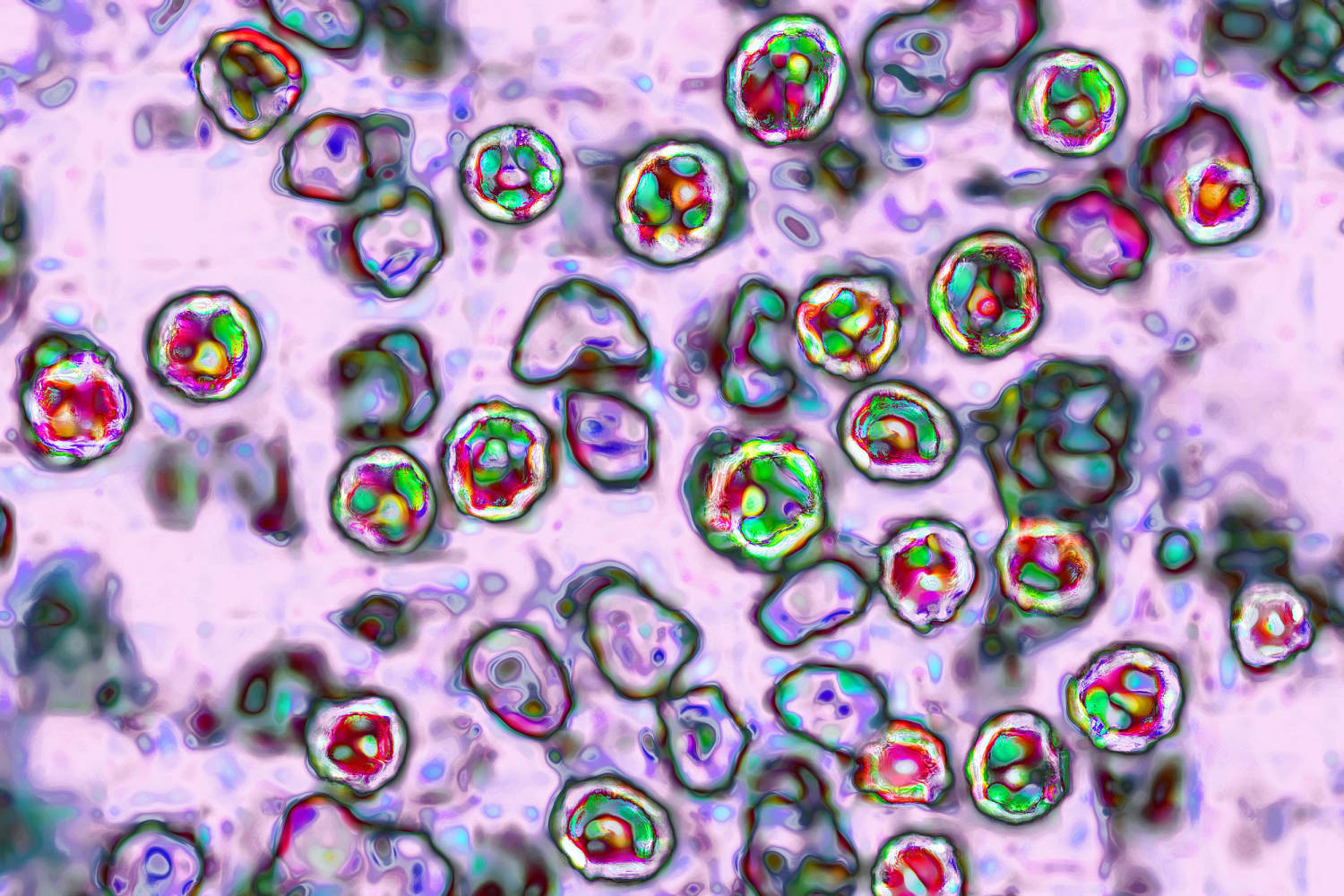
Standard cultures look for a high colony count of fast-growing bacteria, usually E. coli. But chronic bladder infections behave differently. Pathogens don't just swim freely in the urine; they form protective communities called biofilms right inside the bladder wall. They hide.
When bacteria burrow into the urothelium—the tissue lining the bladder—they evade standard detection methods entirely. You can have a raging, painful tissue infection while your routine lab results read as normal.
Doctors rely on outdated thresholds. They tell you nothing is wrong because they are using tests designed for acute, straightforward cystitis, not entrenched, biofilm-backed chronic conditions.
Why Dismissal Leads to Mental Health Crises
When tests come back negative, patients frequently face a second, more insidious injury: medical gaslighting.
Countless women are told their pain is psychosomatic. Some receive referrals for psychological support, as if relentless physical agony can be cured by deep breathing or reframing anxious thoughts. Others are handed low-dose antidepressants because clinicians assume the pain pathway is misfiring in the absence of actual disease.
This systemic disbelief takes a catastrophic toll. Sufferers report severe anxiety, clinical depression, and trauma akin to post-traumatic stress disorder. When you spend every waking hour managing pelvic pain, struggling to sleep, and fighting a healthcare system that treats you like an anxious hypochondriac, your world shrinks.
Daily functioning becomes impossible. Relationships strain under the weight of chronic illness. Some patients reach absolute breaking points simply because no one will listen to them.
The Treatment Dead End
Primary care guidelines remain stubbornly rigid. For a simple UTI, a three-day course of nitrofurantoin or trimethoprim works wonders. For a chronic, embedded infection, those same short courses are completely useless.
Antibiotics cannot penetrate thick bacterial biofilms in a brief three-day window. Instead of clearing the infection, short, repetitive prescriptions breed resistance, leaving patients with fewer treatment options over time.
Specialist clinics that understand long-term antimicrobial therapy are agonizingly scarce. Patients often have to travel across countries or pay out of pocket to find a clinician willing to prescribe extended-course, low-dose antibiotics or alternative protocols designed to break down bladder biofilms.
The medical establishment remains terrified of antimicrobial stewardship rules, prioritizing population-level resistance metrics over the immediate, agonizing survival of the individual sitting in front of them.
Practical Steps When Your Doctor Won't Listen
If you're caught in the loop of recurring flare-ups and dismissed symptoms, standard advice won't save you. You have to advocate fiercely for yourself.
- Request a specialist referral: If your GP tells you nothing is wrong despite ongoing symptoms, ask for a formal referral to a urology specialist or a dedicated chronic UTI clinic.
- Keep a detailed symptom diary: Document the exact nature of your pain, triggers, frequency, and how treatments affect you. Concrete data cuts through dismissive medical attitudes.
- Push for extended cultures: Ask if your clinic or specialist can utilize enhanced quantitative urine culture (EQUC) techniques that catch low-count or atypical pathogens missed by standard labs.
- Find your community: Grassroots organizations like the Chronic Urinary Tract Infection Campaign (CUTIC) provide vital resources, lists of sympathetic practitioners, and peer validation that reminds you you're not losing your mind.
The system isn't going to fix itself overnight. Until guidelines catch up with clinical reality, surviving a chronic UTI means refusing to accept that your pain doesn't exist.