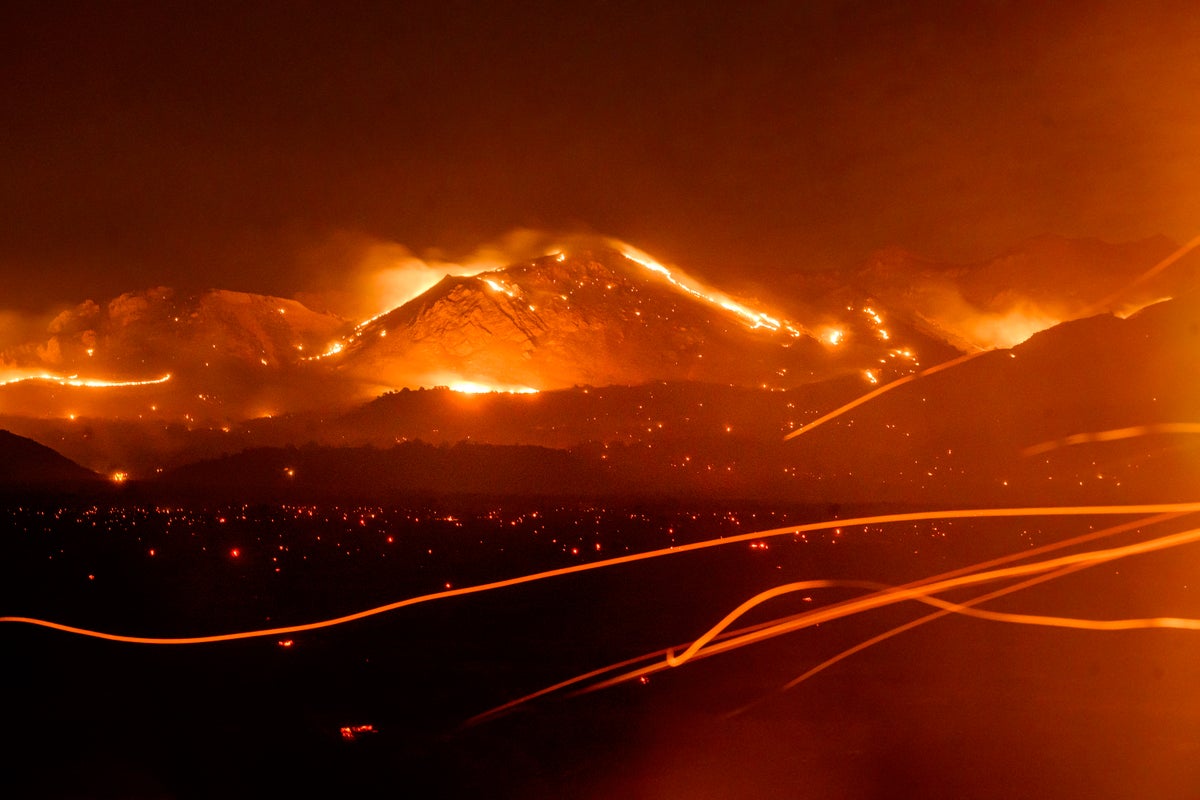
We've spent decades treating climate collapse like a Hollywood plot device. You sit in a dark theater, watch a megastorm swallow New York or a brutal heatwave fry entire populations, and then you walk out to grab a coffee. The screen goes black, and the threat stays fictional.
Except it doesn't anymore.
Earth scientists are running out of polite ways to tell us that the buffer zone is gone. We aren't just edging toward climate tipping points; we're actively crossing them. When researchers like Tim Lenton at the University of Exeter warn that bigger shocks are on the way, they aren't trying to win a sci-fi screenwriting award. They are looking at hard monitoring data that shows planetary systems fracturing faster than our political systems can even acknowledge.
Let's look past the polite summaries and talk about what is actually happening to global stability right now.
Why Fiction Stopped Being Far-Fetched
Think back to Kim Stanley Robinson's famous novel The Ministry for the Future, which opens with a horrific heatwave in India killing twenty million people. When it was published, critics called it a stark warning wrapped in speculative fiction. Today, meteorologists look at wet-bulb temperature thresholds and realize that scenario isn't a stretch. It's an engineering and biological reality waiting for the right combination of humidity and heat.
We saw the same cultural dismissal with the satire Don't Look Up, where politicians and media pundits joke about an extinction-level comet while society scrolling on their phones refuses to look up. It was meant to be an absurd exaggeration of human apathy. Instead, it feels like a documentary about modern climate policy.
Every time we pump more coal, oil, and gas into the atmosphere at our current pace, we are essentially playing roulette with planetary physics. The atmosphere doesn't care about election cycles, corporate quarterly profits, or diplomatic summits. It just responds to thermal energy. And right now, that energy load is breaking historical charts.
The Tipping Points We Can No Longer Ignore
The most dangerous misunderstanding about climate change is the idea of gradual change. People assume the world warms up slowly, degree by degree, giving us plenty of time to adapt our coastal cities and agricultural zones.
That is not how complex Earth systems work. They have breaking points. Once you push hard enough, they flip entirely into a new state.
- The Amazon Rainforest: Decades of persistent drought, unchecked deforestation for cattle ranching, and massive wildfires have pushed the lungs of the earth to the absolute edge. The debate among scientists isn't whether the Amazon will turn from a carbon sink into a net carbon emitter. The debate is how soon that transition becomes permanent.
- Coral Reef Systems: Marine biologists point out that even if global surface temperatures were to drop tomorrow, the thermal damage already locked into the oceans makes recovery for most coral systems practically impossible. Entire marine ecosystems are dying off simultaneously.
- Ocean Currents: The stability of major water conveyor belts, like the North Atlantic Current, is showing signs of deep instability. Disrupting these currents doesn't mean a slightly warmer beach day. It means crashing regional climate stability across North America and Europe.
Natural cycles like El Niño are compounding these trends, driving global temperatures into uncharted territory. When natural variability collides with human-driven emissions, records don't just get broken. They get shattered.
What You Can Actually Do
It's easy to look at these massive systemic failures and feel paralyzed. Total hopelessness is the twin brother of denial. If the problem is global and systemic, what does an individual choice even matter?
Honestly, individual carbon footprint guilt was largely popularized by fossil fuel PR firms to shift the burden away from structural polluters. But that doesn't mean you are powerless.
First, stop voting for politicians who treat climate science as an optional opinion. Local infrastructure spending, zoning laws, and grid hardening are real issues decided at the ballot box. If your local municipality isn't planning for extreme flooding or grid failure, they are asleep at the wheel.
Second, harden your own immediate environment. If you live in an area prone to heatwaves, flash floods, or grid instability, build local resilience. Invest in backup power, understand your watershed, and build mutual aid networks with your neighbors. The shocks coming down the pipeline will test community resilience long before federal aid arrives.
The era of warning signs is over. We are living through the consequences of delay.
UN Warns Climate Crisis Worsens As Global Temperatures Hit Records
This video provides an up-to-date look at the United Nations' warnings regarding surging global temperatures and worsening extreme weather events.
http://googleusercontent.com/youtube_content/1