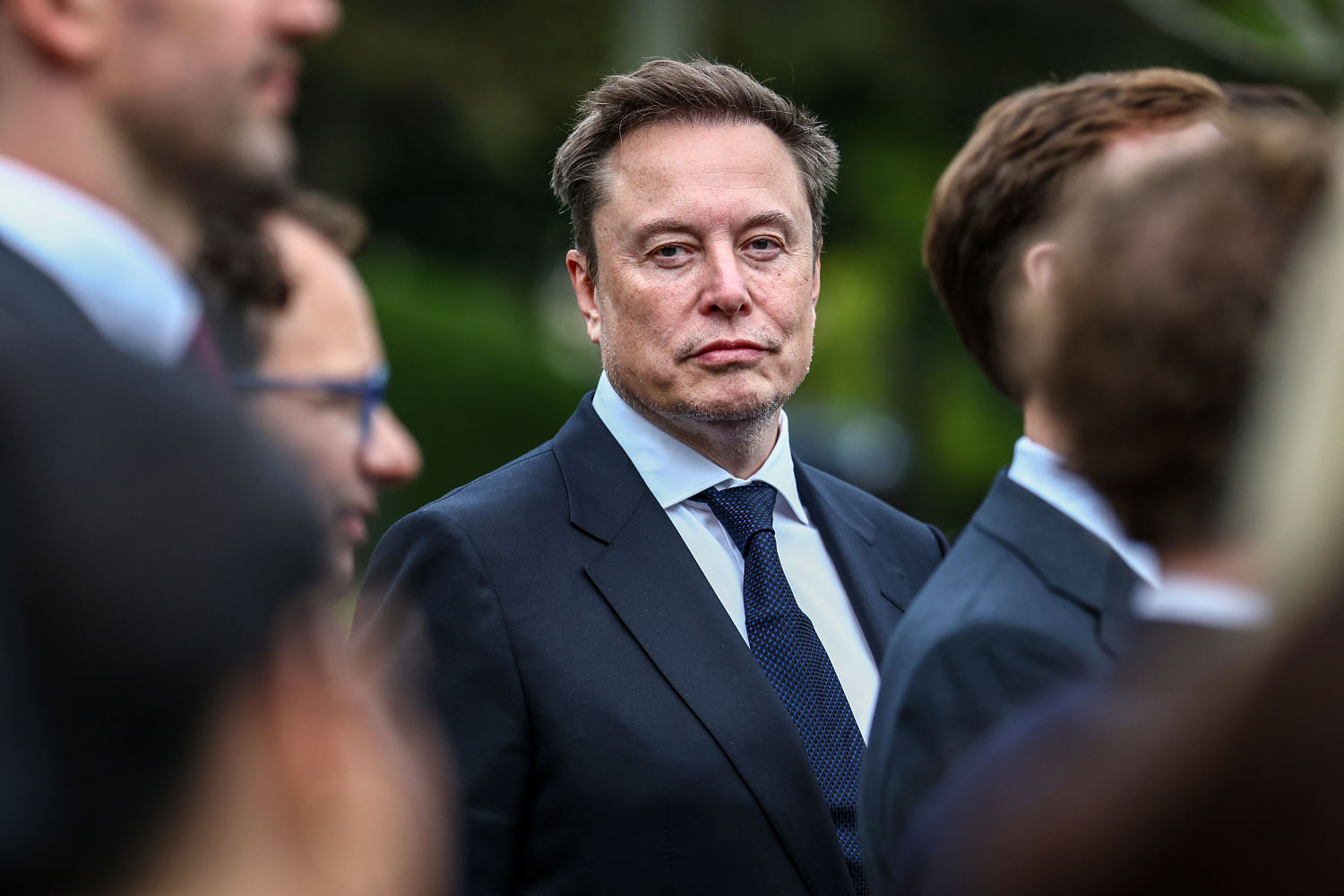
Rumors about combining Elon Musk's two crown jewels always felt like late-night internet chatter. Then reality stepped in. During SpaceX's third-quarter earnings call in October 2026, Musk officially confirmed that both SpaceX and Tesla have established special committees of independent directors to evaluate a potential merger.
He called the setup "an odd kabuki dance" because his dual role forces him out of the room entirely. He cannot sit in on the negotiations. He cannot guide the terms. Instead, independent directors are hashing out whether a multi-trillion-dollar corporate marriage makes financial sense.
Musk made his personal stance clear. He thinks it is a good idea. But he also warned investors that a deal is far from certain, and the final decision rests squarely on shareholder approval.
Why the Conversation Changed Now
For years, critics dismissed the idea of a Tesla and SpaceX merger as a distraction. Tesla made electric cars and energy storage. SpaceX launched rockets and operated Starlink. The operational overlap seemed minimal beyond sharing a CEO and occasionally swapping engineering talent.
That boundary vanished.
The rationale shifted toward advanced computing, artificial intelligence infrastructure, and manufacturing hardware. Both companies are now deeply invested in technologies that transcend traditional vehicle manufacturing or rocket propulsion. Musk pointed directly to the approach of the superintelligence singularity, arguing that collaboration on software, custom chip design, robotics, and mass connectivity creates massive structural advantages.
Look at joint manufacturing efforts like the Terafab initiative, an advanced chip factory project in Texas linking multiple technological pipelines. As autonomous vehicles, humanoid robotics, and orbital satellite arrays demand identical compute architectures, keeping these entities separate starts to look inefficient.
The Governance Hurdle and Shareholder Math
A corporate transaction of this scale cannot happen on a whim. Because Musk holds massive equity and voting power across both companies, standard conflict-of-interest rules demand strict corporate governance protocols. That is why independent special committees were formed.
If a deal does move forward, the shareholder vote will require a high threshold. For Tesla, any combination would need approval from 50 percent of all outstanding shares, a much stricter requirement than a simple majority of votes cast. Musk owns nearly a fifth of Tesla and just under half of SpaceX, meaning outside institutional investors and retail shareholders hold genuine veto power over the outcome.
Investment banks are already advising the boards, and market analysts from firms like Barclays have ramped up speculation about timelines. Yet, neither committee has agreed on pricing, valuation, or formal transaction terms.
What Comes Next for Investors
If you are tracking this story, stop waiting for an overnight announcement. The special committees are operating independently behind closed doors.
Watch the quarterly disclosures from both companies for updates on joint projects like the Terafab timeline and shared AI compute revenues. Pay attention to institutional investor sentiment leading up to upcoming shareholder meetings. If the independent directors sign off on a structure that protects minority shareholders, you could witness the birth of a unified corporate behemoth controlling space, transport, and advanced computing. If the math does not work, the committees will walk away.