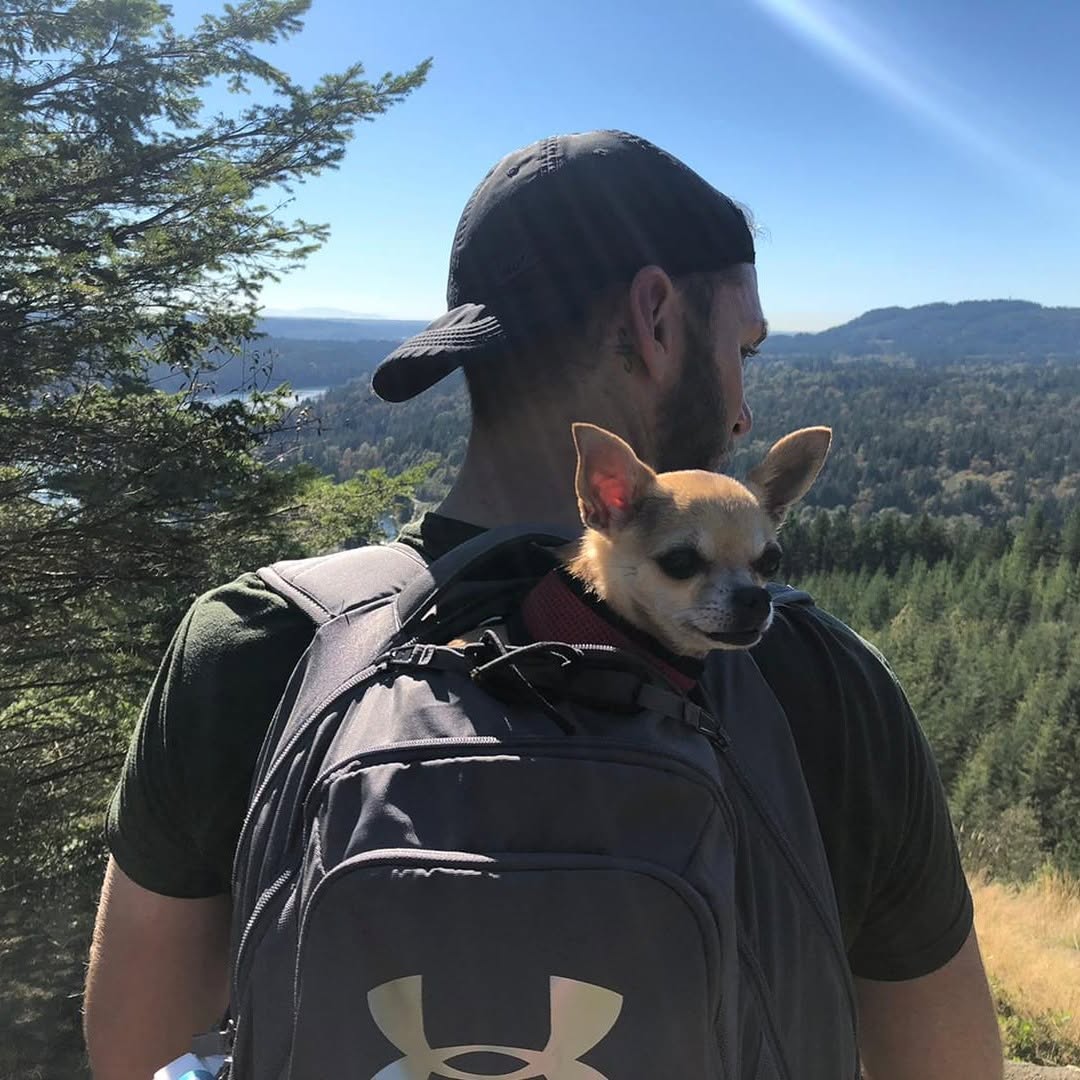
You think your dog is safe if they stay right next to you. It's a common belief, but it's completely wrong. On a recent Sunday evening at John Hendry Park, also known as Trout Lake Park in East Vancouver, a four-and-a-half-pound Chihuahua named Lulu was walking just two meters from her owner, Travis Olson. It was dusk, the park was filled with people, laughter, and music. Yet, a coyote darted out from the shadows, grabbed Lulu by the neck, shook her violently, and bolted into the brush.
Olson chased the predator, guided only by the flashing light on Lulu's harness. Then, the crying stopped. The light went out. The next day, a volunteer tracking group found Lulu's intact body near the east shore of the lake. She died instantly from severe neck trauma.
This tragedy highlights a disturbing reality that local authorities are trying to downplay. Coyotes in Vancouver parks are losing their fear of humans, and our current safety strategies are failing miserably.
The Myth of the Safe Distance
Many pet owners assume that keeping a small dog off-leash is fine as long as the animal has excellent recall and stays close. Lulu was incredibly well-behaved. She responded to hand commands and never strayed more than a few feet away. But against a calculated ambush, proximity means nothing.
A coyote doesn't care if you're standing two meters away. They are pursuit predators, but they are also opportunistic thieves. In an urban environment, they have learned to calculate risk. A tiny, four-pound dog represents an easy meal, even if a human is standing right there.
Rose Wilkin from the Stanley Park Ecology Society noted that Metro Vancouver saw five reported coyote attacks on pets in just a two-month span leading up to this incident. Karen Nixon, a volunteer tracker with Halo's Pet Rescue who recovered Lulu's body, stated that coyote encounters have visibly ticked up over the last few years. Nixon warned that the sheer speed of these strikes means that even if you're holding a long retractable leash of four to six meters, your dog is already dead before you can reel them in.
Where Are the Warning Signs
Walk through Trout Lake Park and you will find plenty of space for activities, but you won't find a single warning sign about active predators. This lack of communication leaves pet owners completely in the dark. Olson is now channeling his grief into a demanding push for accountability, calling directly on the B.C. Conservation Officer Service (BCCOS) to install basic signage.
The bureaucratic response is predictably slow. Angela Haer, a commissioner with the Vancouver Park Board, stated they are working alongside city staff and conservation officers to get signs up. But why does it take a beloved emotional support animal getting killed for basic warnings to appear?
Coyotes fall under the Provincial Wildlife Act, making them a provincial responsibility rather than a municipal one. This division of power often leads to a lot of finger-pointing and very little immediate action. While bureaucrats coordinate their messaging, urban coyotes continue to thrive in the dense brush of local parks.
Why Urban Coyotes Are Changing Behavior
Urban coyotes aren't the scrawny, timid creatures you see in rural areas. They have adapted perfectly to city life. High-density parks provide an endless supply of food. This doesn't just mean rodents; it includes garbage, left-behind picnic scraps, and, unfortunately, intentional feeding by misinformed residents.
When humans feed wildlife, the animals stop associating people with danger. They start associating people with food. That loss of natural fear is exactly what leads to brazen, daylight attacks in crowded city spaces.
Real Steps to Keep Your Pet Alive
Relying on the city to manage the wildlife population is a losing strategy. You have to take immediate, active steps to protect your animal.
- Ditch the retractable leash entirely. Keep your dog on a fixed, short leash no longer than two meters. If a coyote strikes, you need physical control over your pet instantly.
- Avoid the edges of dense brush during dawn and dusk. Coyotes use tall grass and bushes as staging areas for ambushes. Stick to the middle of wide-open, well-lit paths.
- Carry hazing tools. Keep a loud whistle, a small air horn, or even an umbrella you can pop open aggressively to scare an approaching animal.
- Pick up small dogs immediately if you spot a coyote. Don't wait to see what the coyote will do. Eliminate the target before they can calculate an attack.
If you encounter an aggressive coyote, do not run. Running triggers their chase instinct. Stand your ground, make yourself look as large as possible, wave your arms, and scream loudly. Throw rocks or sticks toward the animal if it continues to approach. Report every single sighting or aggressive encounter to the B.C. Conservation Officer Service RAPP line right away so authorities can track problem animals before another pet is lost.