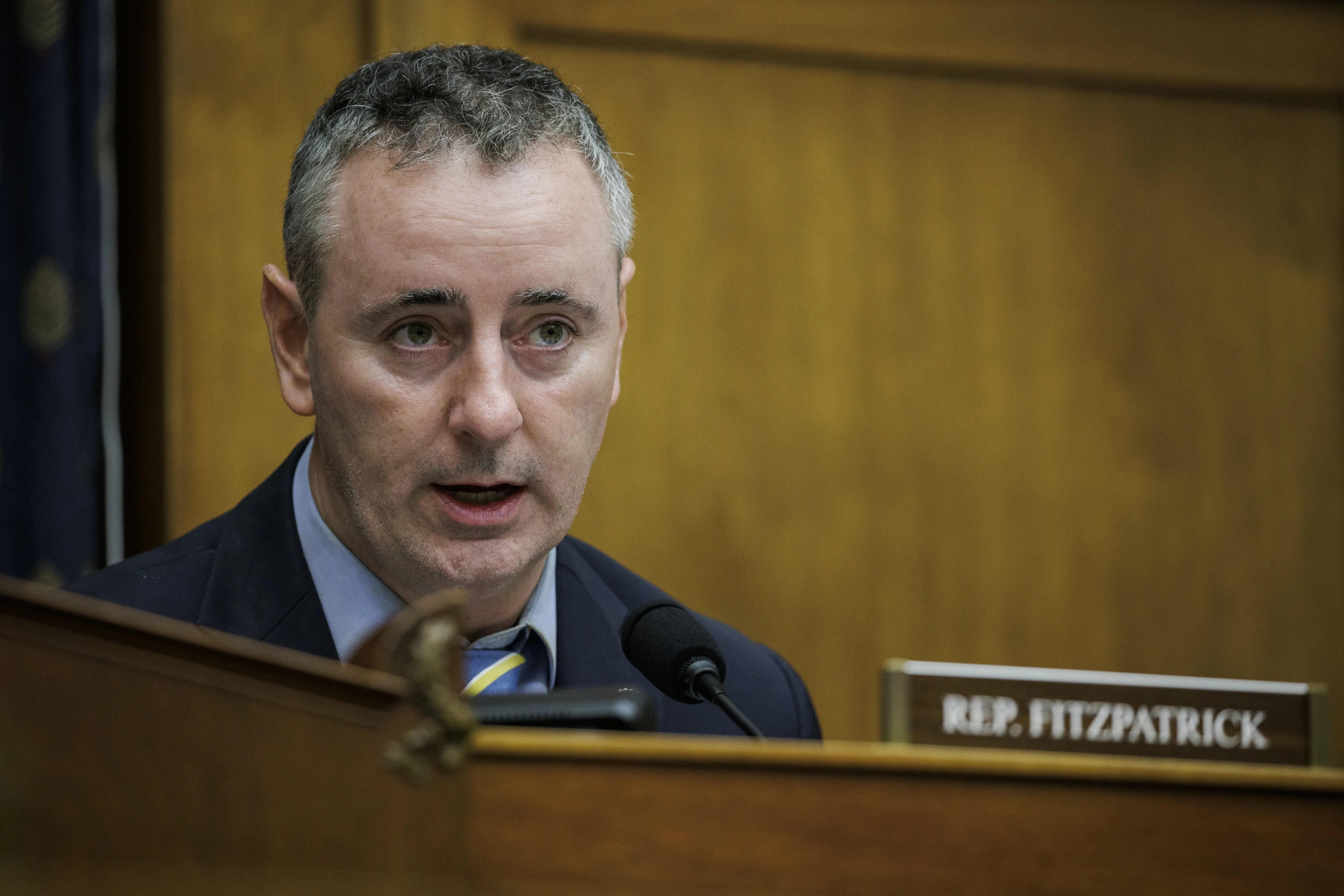
Rep. Brian Fitzpatrick says lawmakers need straight answers from the FBI and CIA before questioning Jensen Huang about Nvidia and potential national security risks. Honestly, that sequence makes total sense. You can't get to the bottom of a high-stakes espionage and export-control mess by starting with the executive in the hot seat when the intelligence agencies haven't explained what they knew or whom they warned.
Huang is back at the helm of Nvidia after a chaotic stretch that saw him resign on November 12 and return on November 23, backed publicly by President Donald Trump. For anyone searching why this story suddenly blew up again on November 25, the short answer is simple: Huang's reinstatement didn't calm Capitol Hill down. Instead, it sharpened the fight over whether U.S. intelligence failed to deliver defensive warnings, whether export rules on AI chips to China were sidestepped, and whether executive accountability in Silicon Valley has hit rock bottom.
Why Lawmakers Want Intelligence Briefings First
Fitzpatrick, a Pennsylvania Republican who serves on the House Intelligence Committee and previously worked as an FBI special agent, laid out a blunt order of operations in his November 25 interview. He wants to know what the FBI and CIA knew about potential espionage threats tied to Huang and whether officials warned him. Specifically, he's pressing for details on what briefings happened and when.
Look at why an ex-FBI agent asks those questions first. If intelligence agencies spotted warning signs months ago, did they keep quiet? Or did they try to warn someone and get ignored? Without getting that timeline straight from the agencies themselves, any hearing with Huang risks turning into a guessing game where witnesses can claim they never had the full picture.
Reports around the scandal have added plenty of friction to that timeline. According to intelligence reporting covered in late November, U.S. agencies examined contact between Alice Huang—a former executive at Singapore data-center operator Megaspeed with whom Jensen Huang had an extramarital affair—and Chinese intelligence officials, while also noting that intelligence had not established she was actively tasked to spy on the Nvidia chief or pass along national-security secrets. China has denied espionage accusations as groundless, and reports also noted that her husband, business partner Kang Wei, had ties to Chinese intelligence.
Meanwhile, the White House has pushed a very different narrative. Trump praised Huang's reinstatement on November 23 as appropriate and stated that Huang posed no national security risk, even as Attorney General Todd Blanche called Nvidia a good corporate citizen and Commerce Secretary Howard Lutnick faced scrutiny over chip export enforcement. Fitzpatrick wants answers from Blanche and Lutnick too, arguing that investigators have to follow the facts wherever they lead and leave no stone unturned.
The Megaspeed and Export Control Angle Nobody Can Ignore
If this were just a tabloid scandal about an affair and a boardroom U-turn, Congress wouldn't be clearing its calendar for hearings. The real alarm bells in Washington ring over semiconductor export controls and whether advanced AI hardware flowed toward China through third countries.
Federal agencies have been looking into Megaspeed, an Asia-Pacific cloud and data-center partner of Nvidia, over potential illegal diversion of chips to China. Investigators requested records from Nvidia in May 2025, conducted an on-site inspection in Singapore with local authorities in June 2025, and interviewed Alice Huang, before Washington placed Megaspeed on its trade blacklist on November 23. Megaspeed has denied wrongdoing and said it follows applicable export control laws.
Here's why that matters so much for national security and markets. Advanced GPUs and AI accelerators aren't ordinary office gear. They power frontier AI models, defense simulations, and surveillance systems. Once a chip leaves tightly monitored channels through a partner or shell route, tracking end use gets murky fast. That's why Senate Democratic Leader Chuck Schumer compared suspected illegal chip transfers to China to selling rocket engines to the Soviet Union during the space race, and why lawmakers across both parties—including House China Committee chair Rep. John Moolenaar, House Intelligence Committee chair Rep. Rick Crawford, and Senate Intelligence Committee chair Sen. Tom Cotton—have kept pressure on.
Even House Democrats opened their own inquiry into how much influence Nvidia had over the Commerce Department's Megaspeed probe, while the Securities and Exchange Commission has looked into Nvidia's financial disclosures, including changes around reporting revenue tied to Singapore. Nvidia has declined to comment on several investigations, stated it consults with government officials to answer questions and request guidance, and formed a board committee to examine whether foreign intelligence targeted Huang while starting a search for a new chief compliance officer.
What People Get Wrong About This Fight
A lot of coverage flattens this story into a neat partisan cartoon. Don't fall for that.
Misconception 1: Reinstatement Means the Case Is Closed
Getting the CEO job back on Monday doesn't erase federal probes or congressional subpoenas and interviews. Huang and Nvidia general counsel Tim Teter have lined up appearances before House panels in early December, alongside planned Senate scrutiny. Corporate boards set employment terms; Congress sets oversight rules and export laws. Those two tracks don't cancel each other out.
Misconception 2: Every Rumor of Espionage Is Already Proven
It's tempting to connect every dot in a spy-adjacent story and treat speculation as settled fact. Reporters have noted conflicting or nuanced details in intelligence accounts—such as questions over whether Alice Huang was directed by China's Ministry of State Security to target Huang, even as intelligence briefings raised concerns about information transfers and contacts. Being careful about what is proven versus what is under review isn't being soft on China. It's how serious investigators avoid building a weak case.
Misconception 3: Washington Only Cares About Chips
Walk outside the Beltway and you'll find another fierce debate brewing in Silicon Valley. Advocates for workplace accountability and women in tech have criticized Huang's swift return after an affair and sudden ouster, arguing that massive market value and political clout let top executives rewrite standards that rank-and-file workers never get. Whether you view that critique as central or secondary to national security, it shows why the backlash has so many layers.
Practical Lessons for Leaders, Investors, and Watchers
You don't need a security clearance to take something useful away from this mess. Whether you run a company, manage risk, or invest in tech, a few habits actually hold up when headlines go sideways:
- Separate personal conduct from compliance controls early. Boards that wait until a crisis hits to audit export checks, third-party partners, and compliance leadership end up scrambling under public pressure.
- Audit your distribution chain like a skeptic. If your product is dual-use or strategically sensitive, "our partner said they're compliant" isn't enough. Document end-user checks, regional revenue shifts, and red flags before regulators ask for them.
- Expect political whiplash on high-stakes tech. When a single company sits at the center of AI infrastructure and U.S.-China competition, business decisions rarely stay purely commercial. Plan for scrutiny from multiple agencies at once.
- Track primary records, not just hot takes. Watch official committee statements, regulatory filings, and sworn testimony rather than trading on every rumor or social media clip.
Watch how the FBI and CIA briefings line up with the upcoming House and Senate questioning in early December—that gap between what agencies knew and what executives say will tell you where the real accountability is heading.