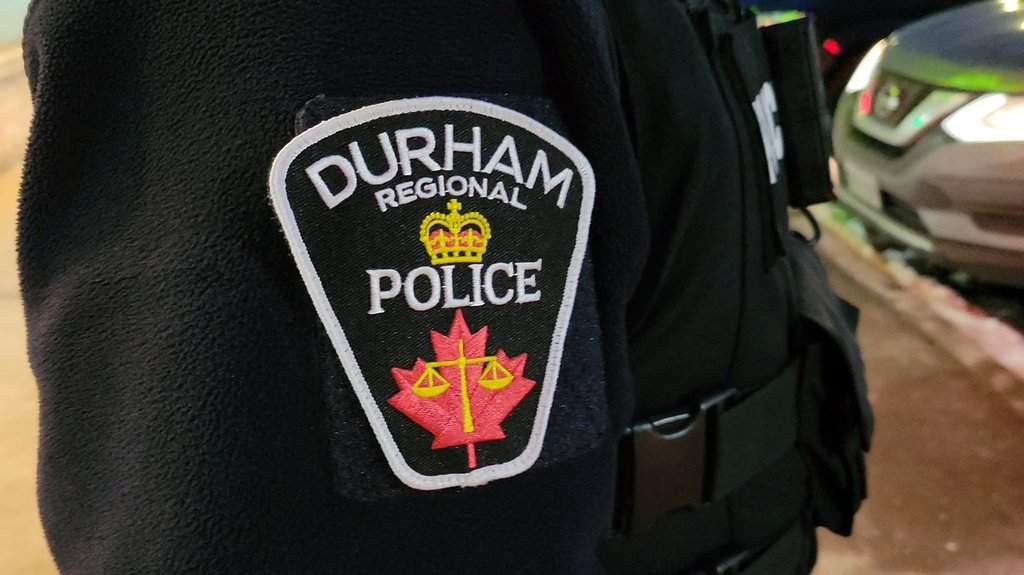
Another roadside work zone has turned fatal. A 31-year-old road worker lost his life after being struck by a reversing dump truck during asphalt repair work in Pickering.
The tragedy unfolded on a Monday afternoon near Peter Matthews Drive and Alexander Knox Drive. While the Durham Regional Police Service, the Ministry of Transportation, and the Ministry of Labour sort through the wreckage of how this happened, the hard truth remains. Construction zones are inherently dangerous, and standard safety measures are still failing the people working on the asphalt.
What Happened on Peter Matthews Drive
Around 2:40 p.m., crews were busy with routine asphalt maintenance. Heavy machinery is a constant presence on these sites, making spatial awareness a matter of life and death. According to investigators, a southbound dump truck was reversing when it struck the worker.
First responders rushed the injured man to a local hospital, but he succumbed to his injuries. The driver of the truck stayed at the scene and cooperated with police. Roadways in the area remained shut down for hours while the collision investigation unit mapped the scene and collected evidence.
No charges have been filed yet as the investigation crawls forward. But inquiries and reports rarely fix the systemic issues plaguing active construction zones across the province.
The Blind Spot Crisis in Heavy Equipment Operation
Backing up heavy commercial vehicles on a tight job site is one of the most hazardous maneuvers in civil construction. Dump trucks have massive blind spots directly behind them. Even with modern mirrors, blind spot zones can stretch for dozens of feet.
Spotters, backup alarms, and proximity sensors are supposed to bridge this gap. When a fatality happens in broad daylight, it forces a hard look at whether protocol was strictly followed or if site fatigue played a role. Equipment operators and ground crews work long hours under intense pressure to finish infrastructure projects before weather windows close. That rush creates mistakes. And on an active roadway, a single mistake is permanent.
Regulatory Scrutiny and Accountability
When a workplace death occurs in Ontario, the Ministry of Labour steps in alongside local police. Their job is to inspect compliance with the Occupational Health and Safety Act.
Companies running these sites face immense scrutiny over whether they implemented adequate traffic control plans. Were there enough dedicated signallers? Was communication clear between the dump truck driver and the paving crew? These questions will dictate whether regulatory fines or criminal negligence charges follow. Yet, penalties handed down after the fact do little to bring a 31-year-old worker back to his family.
Protecting Workers Before Tragedy Strikes
Fixing roadside safety requires moving past boilerplate safety manuals and changing how sites operate on a daily basis.
- Mandatory Proximity Detection: Heavy trucks operating in confined work zones should utilize electronic proximity sensors and automated braking systems that engage when a worker enters the blind spot.
- Strict Traffic Separation: Whenever possible, active paving lanes need absolute physical separation from moving heavy transport vehicles until ground personnel are completely cleared from the path of travel.
- Zero-Tolerance Spotter Rules: Reversing a dump truck without a certified, active spotter maintaining eye contact with the driver should result in immediate site shutdowns.
Construction is dangerous work, but getting run over by a slow-moving truck on a straight stretch of road is a preventable failure. Until site safety protocols treat backing heavy machinery with the extreme caution it demands, workers will continue paying the ultimate price for routine infrastructure repairs.