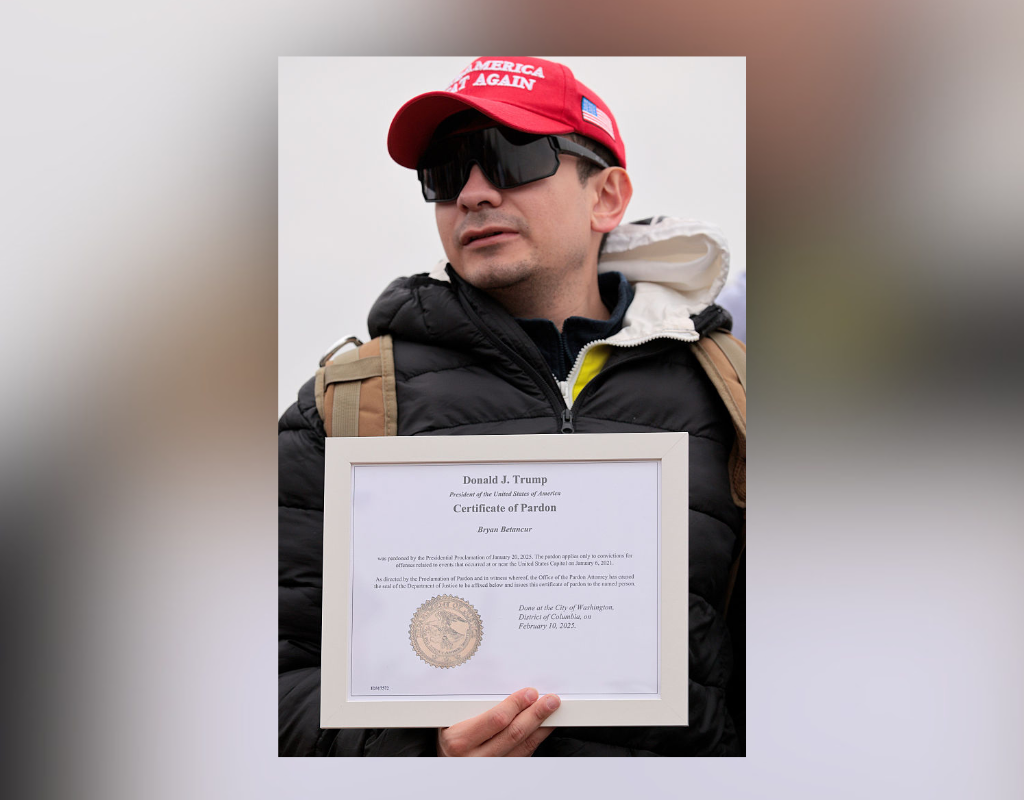
Some crimes are complicated. Financial fraud takes forensic accountants months to untangle. High-stakes corporate espionage requires encrypted comms and burner phones. Then you have Bryan Betancur, who chose to record his own misdemeanor assault on a crowded Washington, D.C. Metro train and broadcast it directly to social media.
A D.C. Superior Court judge found Betancur guilty of simple assault following an incident where he sat behind an unsuspecting woman, stroked her hair without permission, and uploaded the footage online. The judge bluntly described the behavior during proceedings as "just a creepy thing to do". It is hard to argue with that assessment.
The Public Transit Reality Check
Public transit systems already test everyone's patience. You deal with delays, overcrowded cars, and erratic strangers on a regular week. Adding targeted harassment into the mix turns an ordinary commute into an anxiety test.
The victim testified during the trial that she thinks about the encounter every single time she steps onto the Metro. It fundamentally changed how safe she feels moving through her own city. That is the real cost of casual public harassment. It strips away a person's basic right to exist in public space without being treated as someone else's content or target.
Betancur was previously convicted for his role in the January 6, 2021, Capitol riot and later received a presidential pardon. But his legal troubles didn't end at the Capitol steps. Between active tracking from law enforcement, additional legal cases involving stalking allegations, and transit police arrests across jurisdictions, his post-pardon timeline has been a revolving door of courtrooms.
Why Digital Hubris Leads to Courtrooms
We live in an era where people document their own worst decisions for digital clout. Betancur live-streamed his transit antics under online monikers, seemingly convinced that digital platforms offered immunity or entertainment value.
Instead, those very video clips became open-and-shut evidence for prosecutors. Law enforcement didn't need to reconstruct the crime scene from hazy witness descriptions. The defendant handed them a clear, high-definition recording of the offense.
U.S. Attorney offices emphasized that protecting the basic dignity of everyday commuters matters. When a misdemeanor goes unchecked, public spaces rot from the inside out. People stop looking at their neighbors as fellow citizens and start viewing them as hazards.
Facing the Consequences
Betancur faces up to 180 days in prison for the simple assault conviction, a substantial portion of which he already served behind bars while awaiting trial due to custody holds and related infractions. He also faces separate legal proceedings for additional charges, including stalking and assault allegations stemming from incidents in neighboring Arlington County.
Keep your head up on public transit. Report harassment immediately. And remember that filming your own crimes remains a terrible legal strategy.