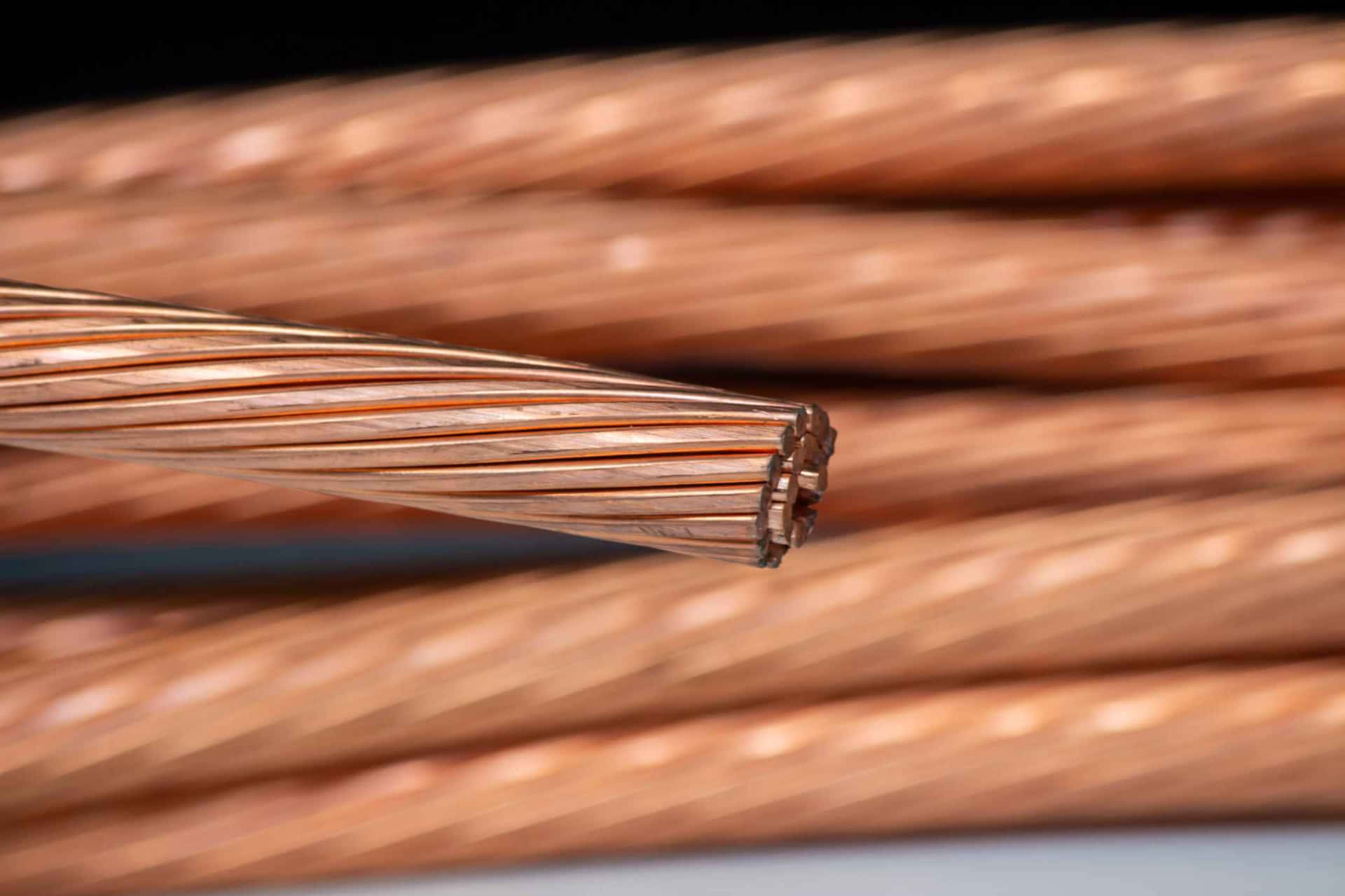
For months, Wall Street treated copper like the ultimate tech stock. When the generative artificial intelligence boom sent server farms and data centers multiplying across the globe, investors rushed to buy every metal producer in sight. Major miners like BHP and Freeport-McMoRan saw their shares jump significantly, driven by a simple narrative. Every server needs wiring, wiring needs copper, and the world is running out of both.
Then reality arrived in London.
At the annual London Metal Exchange industry gathering, the mood shifted from unbridled euphoria to nervous calculation. Metals executives and analysts began asking a dangerous question. What happens to copper prices if the artificial intelligence narrative stumbles? A leading investor at the conference put the odds of an artificial intelligence market correction above fifty percent, warning that a cooling tech sector could send industrial metals tumbling by 2027.
The numbers behind the metal demand are starting to tell a more nuanced story. Trafigura’s head of metals and minerals analysis, Graeme Train, pointed out that data centers contributed almost nothing to global copper demand growth in 2023. While Trafigura estimates that data centers will add roughly 350,000 tonnes of consumption this year, that figure must be weighed against total global demand of roughly 28 million tonnes. It is a meaningful slice, but it is not enough on its own to justify a permanent structural supply crisis.
When High Prices Destroy Demand
The most glaring flaw in the pure artificial intelligence bull thesis is simple economics. When prices rise too fast, buyers simply stop buying.
Tanya Winter, representing German copper processor Aurubis, noted that industrial customers began suspending their orders when prices surged past historic thresholds, crossing fourteen thousand dollars per metric ton. At these levels, copper becomes nearly five times more expensive than aluminum. If that price gap widens further, substitution accelerates. Manufacturers redesign components to use cheaper alternatives wherever possible.
Macquarie analyst Alice Fox highlighted that copper prices have moved far ahead of near-term supply fundamentals. Despite persistent talk of deficits, global markets experienced a notable surplus recently, and surpluses could linger as new projects ramp up. When market prices detach from physical inventory realities, the correction can be violent.
The Substitution Threat That Tech Investors Ignore
Technology investors love to assume that infrastructure requirements are rigid. They picture a server rack and assume every internal connection is cast in non-negotiable copper. Industrial engineering operates differently.
When input costs spike, engineering teams rewrite specifications. Aluminum steps in for power distribution lines. Fiber optics replace traditional cabling in telecom networks. LSEG analyst Bruce Alvey pointed out that some early forecasts of data center copper intensity contained systemic calculation errors, failing to account for how quickly engineers design around high costs.
Furthermore, China’s industrial demand growth is maturing. As the world's largest consumer of the metal shifts away from heavy property-led construction toward advanced manufacturing, annual demand growth inside the country is projected to moderate toward one to one-and-a-half percent by the end of the decade.
What This Means for Your Portfolio
If you are trading or investing in industrial commodities based solely on technology headlines, you are taking an unnecessary gamble.
- Look past the hype cycle: Distinguish between long-term electrification trends, which are undeniably real, and short-term artificial intelligence exuberance, which is prone to speculative bubbles.
- Watch inventory levels: Pay close attention to London Metal Exchange warehouse stocks and regional premiums rather than listening to macro forecasts. Physical inventory tells the truth long before traders panic.
- Monitor the substitution threshold: Keep a close eye on the copper-to-aluminum price ratio. If the spread widens past historical norms, demand destruction in non-tech sectors will accelerate.
The green transition and digital infrastructure require massive amounts of raw materials. That structural demand story remains intact. But treating industrial commodities as a direct proxy for software hype is a fast way to lose money. Markets eventually remember that gravity applies to metals just as much as it applies to tech valuations.