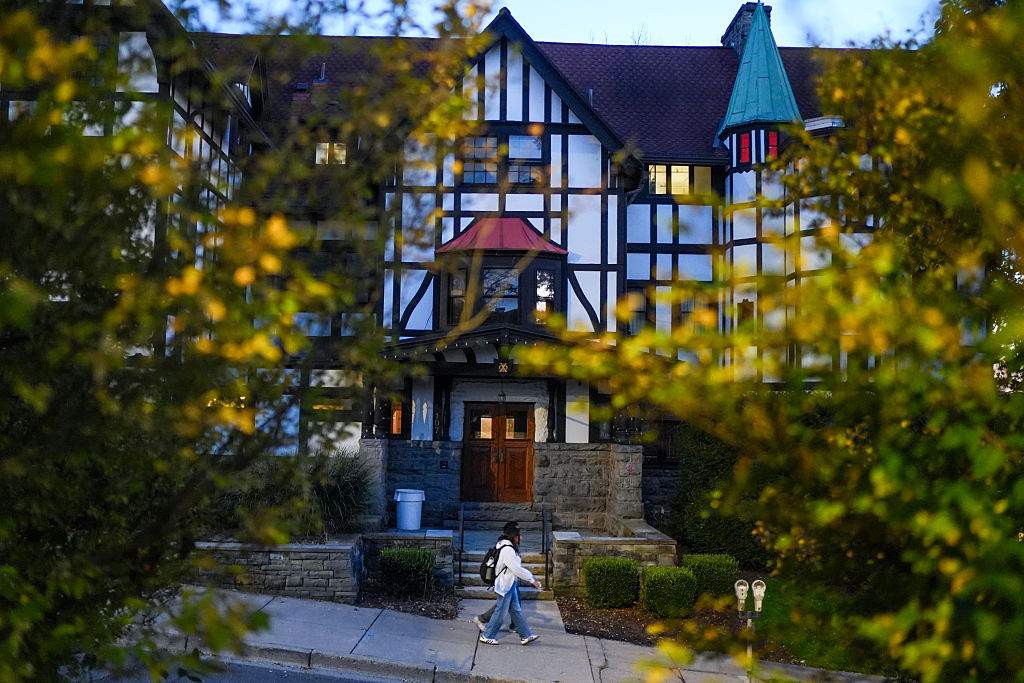
When a massive institutional failure hits the headlines, it rarely stays localized for long. That's exactly what happened when explosive details emerged regarding a civil lawsuit filed against Cornell University and members of its Chi Phi fraternity. A former student alleged she was drugged and gang-raped at a fraternity house in late 2024, triggering an international outcry, faculty revolts, and a hard look at whether traditional Greek organizations have any viable future on modern college campuses.
If you've been following higher education news, you know this case cracked open a much wider conversation about accountability, institutional self-protection, and the hidden dark side of elite campus social structures. Let's look past the surface PR statements and examine what this crisis actually means for the future of student housing and Greek life.
The Anatomy of a Campus Crisis
The fallout at Cornell didn't happen overnight. Following the initial incident in October 2024, the student filed reports with both university campus police and Title IX offices. What followed was a complex web of internal hearings, conflicting legal interpretations, and heavy criticism over how the institution handled the discipline of the accused.
Out of seven fraternity members facing university scrutiny, only two were expelled. Others received lighter sanctions ranging from brief suspensions to mandatory workshops and reflection essays. Meanwhile, local law enforcement initially declined to pursue criminal charges, citing evidentiary hurdles—a decision that later faced intense public pressure, leading to the case being re-examined and handed to New York's attorney general as a special prosecutor.
When the civil lawsuit became public, it blew the doors off what critics call a fortress of institutional silence. Students protested, alumni threatened to withhold donations, and the faculty senate ultimately voted no confidence in university leadership. University President Michael Kotlikoff openly admitted that the administration had fallen short in protecting students and preventing sexual violence.
Why Traditional Greek Systems Are Built for Failure
Greek life has operated under a semi-autonomous bubble for over a century. Fraternities control prime real estate, manage their own internal social hierarchies, and often cultivate a culture where loyalty to the letters overrides basic human safety.
When sexual misconduct occurs within these spaces, two parallel systems kick into gear:
- The University Title IX Process: Focused on internal code-of-conduct violations, relying on administrative hearings rather than criminal standards of proof.
- The Criminal Justice System: Burdened by strict evidentiary thresholds, often resulting in low prosecution rates when victims are incapacitated or drugged.
This split creates a dangerous gap. Fraternities can hide behind institutional red tape, issuing light internal punishments while dodging public accountability. When discipline consists of writing an essay for an alleged violent assault, the system loses all credibility. Students stop trusting administrators, victims stay silent out of fear, and a toxic environment persists unchecked.
The Independent Review and the Push for Structural Overhaul
Cornell's response includes bringing in former high-ranking Justice Department official Sally Yates to conduct an independent review of the school's safety policies and investigation protocols. Furthermore, university leadership announced a comprehensive review specifically targeting the integration of Greek organizations with campus residential life.
Translating reports and independent investigations into actual cultural change is notoriously difficult. Universities love forming task forces when their reputations take a hit. But a real overhaul requires stripping fraternities of their housing autonomy, enforcing zero-tolerance policies for spiking or assault, and removing the veil of secrecy that protects house leadership.
What This Means for Universities Nationwide
The Cornell case serves as a loud warning flare for colleges across the country. Parents, students, and faculty are no longer willing to accept vague promises and slow-moving administrative reviews.
If institutions want to retain public trust, they have to stop treating fraternities as untouchable revenue and social drivers. Accountability cannot mean administrative slaps on the wrist. Until universities dismantle the structural insulation that protects predatory behavior within Greek organizations, high-profile scandals will continue to erupt—and leadership teams will continue to face the wrath of a community that has simply had enough.