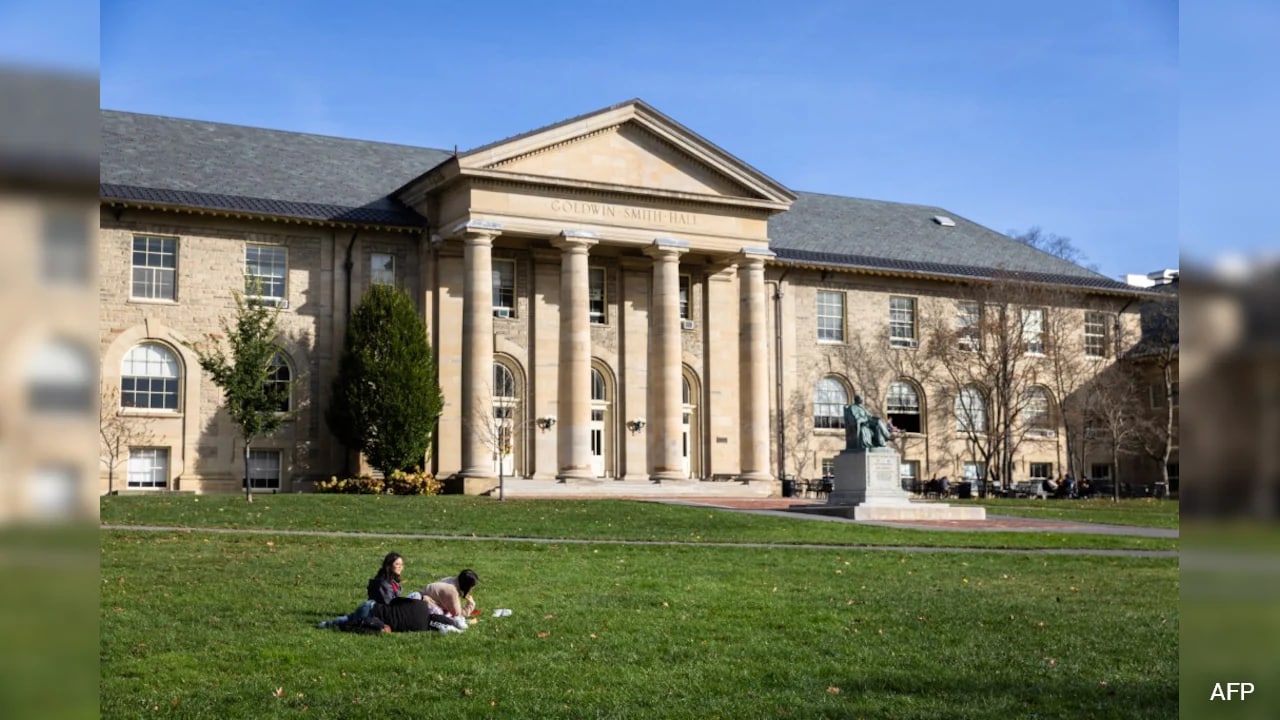
Accountability in higher education is broken. When a high-profile legal battle exposes conflicting statements, institutional fumbling, and shattered trust, nobody wins except the lawyers. New York Governor Kathy Hochul stepped in to appoint State Attorney General Letitia James as a special prosecutor to oversee the investigation into an alleged gang rape at a Cornell University fraternity house.
The case centers on a former student, known in a civil lawsuit as Jane Doe, who alleges she was drugged and assaulted by members of a campus fraternity in October 2024. Confidential records obtained by investigative journalists reveal that the accused fraternity members gave wildly conflicting accounts to investigators. Their stories don't just differ; they clash directly with the timeline and testimony provided by the victim. For a more detailed analysis into this area, we suggest: this related article.
Let's look at what actually happened behind closed doors and why local prosecutors dropped the ball.
The Contradicting Accounts and Shifting Stories
When campus investigators questioned the fraternity members—dubbed the "Cornell 7" in court documents—the approach was remarkably gentle. Instead of pressing hard on allegations of rape, investigators asked basic logistical questions. Where were you? Why were you in the bedroom? What did you say? For broader information on the matter, detailed analysis is available on Reuters.
According to leaked investigation files, four of the men acknowledged having sexual contact with the woman. Their defense? They claimed everything was entirely consensual.
Meanwhile, others denied any physical participation entirely. One accused man even claimed he was a victim of sexual misconduct because the woman allegedly performed oral sex on him while he was too incapacitated to consent. Think about that logic for a second. It's a bizarre inversion of accountability that stretches credulity.
Another accused man, Winston Lee, claimed the woman initiated sexual activity without asking. Lee admitted to snorting ketamine off her body, yet insisted she appeared completely normal and wasn't slurring her speech. Gillio Lopes, who shared the room where the encounters took place, claimed he had a solid recollection of the night because he wasn't very drunk. He also claimed Jane Doe initiated the contact.
Then there's the infamous text message. Jonathan Newell sent a Snapchat message advertising "free p***y" in the bedroom. When questioned, Newell claimed he participated assuming another member, Matthew Ingalls, had already asked for permission. Newell blamed heavy drinking, marijuana, and ketamine consumption for throwing up that night.
Other fraternity brothers, like Scott Kretzschma and Scott Norris, arrived after seeing Newell's message. Both claimed they were confused by the text but walked into the room anyway. Norris stayed for five minutes, decided everything looked fine because the woman was conversational, and walked out.
Where Law Enforcement and the University Failed
The fallout from this case goes far beyond a single fraternity house. It exposes deep flaws in how campus police and local authorities handle sexual assault allegations.
Jane Doe reported the assault to the Cornell Police Department a few weeks after it happened in October 2024. Yet, reports indicate that critical parts of her statement—including her explicit assertion that she was raped—were initially minimized or left out of official paperwork. Tompkins County prosecutors initially decided not to pursue criminal charges against the seven accused men.
Governor Hochul didn't mince words when she announced the appointment of Special Prosecutor Letitia James. She stated she lost faith in the Tompkins County District Attorney's ability to handle the case fairly.
When local law enforcement fails to properly document survivor statements, trust evaporates. When institutional investigations prioritize protecting the university's brand over finding the truth, justice stalls. The civil lawsuit filed by the victim names Cornell University, the Chi Phi fraternity, the sorority, and the seven individual members for failing to protect her.
What Happens Next in the State Investigation
Bringing in the New York Attorney General changes the playing field. Special prosecutors possess statewide jurisdiction, independent resources, and an insulation from local political pressures that often compromise campus-town investigations.
Attorney General James promised a full and fair investigation. For Cornell University, this means months of negative headlines, intense public scrutiny, and potential federal Title IX investigations. For Greek life across the country, it serves as a glaring warning about the lethal mix of heavy drugs, alcohol, and toxic fraternity culture.
The defense strategies relied on by the accused men—claiming the victim initiated contact while simultaneously admitting to drug use, ketamine snorting, and sending predatory group texts—reveal a profound lack of self-awareness.
Justice shouldn't depend on whether a governor has to step in and override a local DA. Survivors deserve competent investigations from day one, not years of litigation and leaked records.


