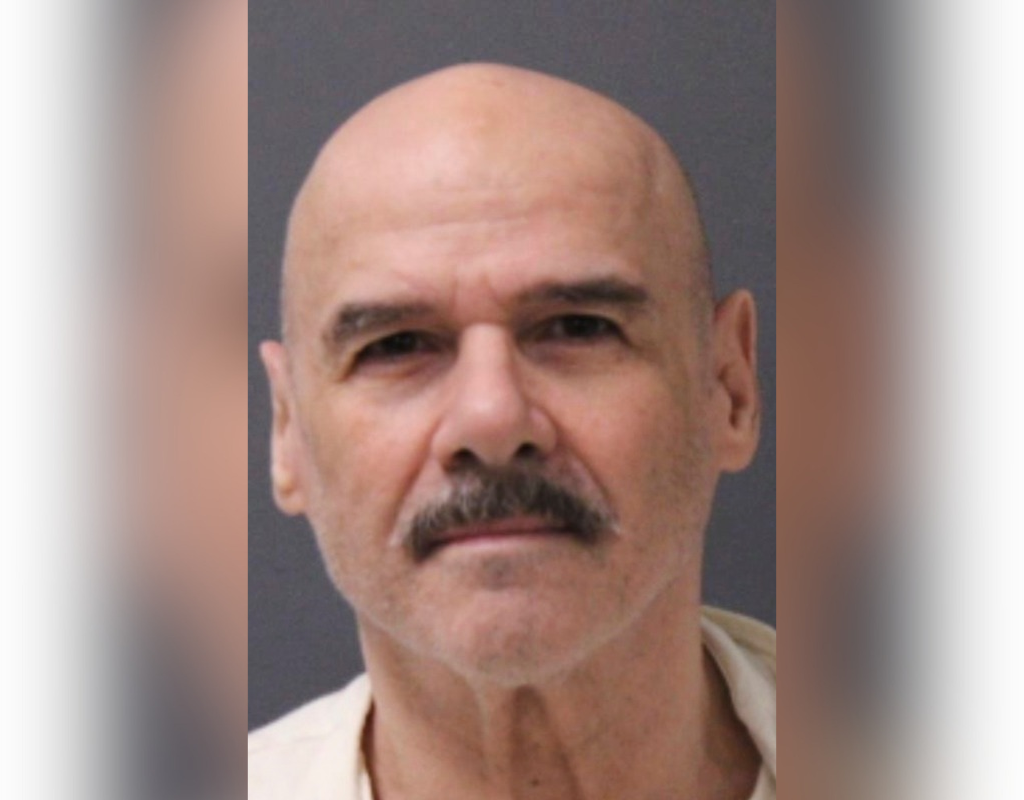
A 36-year-old fan took a fall during a fight near kickoff at a Dallas Cowboys game, stayed through the final whistle, and died three days later in the hospital. That sequence is what makes the investigation into Mario Narro's death so haunting for anyone who has ever stood in a packed NFL bowl with a beer in one hand and a rivalry in the other.
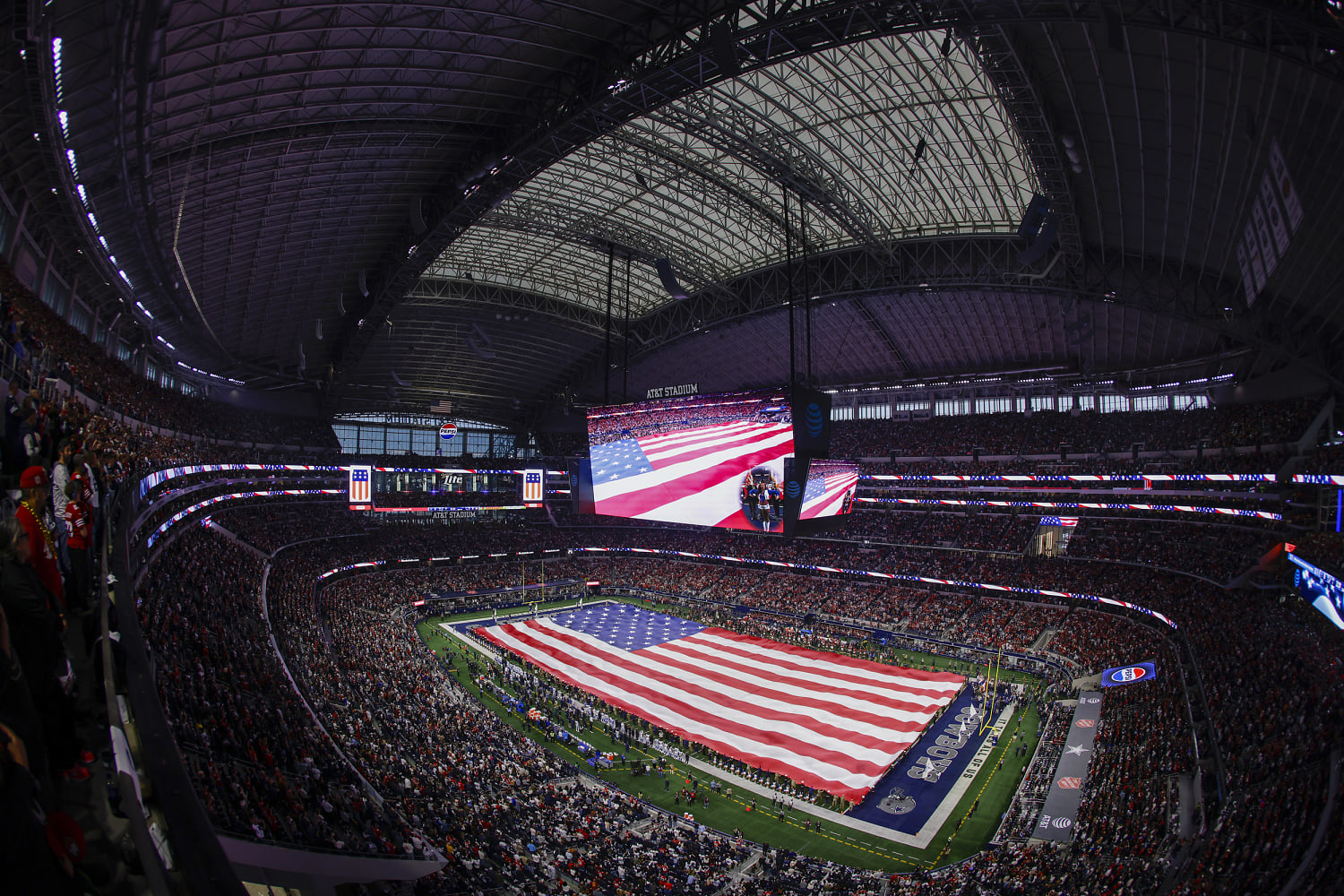
According to the Arlington Police Department and local reporting, Narro got into a physical altercation with another spectator around kickoff during the November 15, 2026 game between the Cowboys and the San Francisco 49ers at AT&T Stadium. He fell during the scuffle. Yet he didn't leave on a stretcher right then. He stayed and watched the entire 46-40 shootout before telling friends he was in pain after the game ended, prompting a friend to flag down stadium paramedics. He was transported to Medical City Arlington Hospital, his family filed a police report on November 17, and authorities were notified on November 18 that he had died. The Tarrant County Medical Examiner's Office is working to determine the official cause and manner of death while Arlington police continue their investigation, with no details released yet on the other person involved.
Basic news summaries treat an incident like this as a neat timeline of fight, fall, hospital, death. Anyone who has worked crowd management or watched how adrenaline behaves inside a 80,000-plus-seat stadium knows real life rarely plays out that cleanly. People brush off blows near kickoff because the energy is electric and nobody wants to miss four quarters of football. Pain gets masked by noise, anger, and alcohol, and a quiet internal injury can look like nothing more than a bad bruise until hours later.
How a Cowboys Game Fight Becomes a Death Investigation
When people search about a fan dying after a Cowboys game altercation, they aren't just looking for a two-sentence wire blurb. They want to know how a shove or a fall near kickoff turns into a police death investigation days later, what officials actually know right now, and whether going to a big game has gotten more dangerous.
Right now, the hard facts are narrow, and honesty requires saying where the gaps are. Arlington police have confirmed the November 15 altercation around kickoff, the fall, the postgame medical call, the November 17 family report, and the November 18 hospital death. What hasn't been made public is the medical examiner's official ruling on cause and manner of death, whether a pre-existing condition or delayed internal bleeding played a role, or who the other fan in the scuffle was. Reporting from outlets including KERA News and FOX 4 Dallas-Fort Worth makes clear that the case is still active and investigators are waiting on formal forensic findings.
What makes this case stand out from typical stadium brawl clips is the lack of a clear viral video showing this specific altercation, even though footage of other fan fights around the game and nearby entertainment spots circulated online. In an era where every concourse argument gets filmed on three phones, a fight that starts near kickoff and ends in a fatality days later without obvious public footage shows how easily serious incidents slip past casual observers in real time.
Why Delayed Symptoms Fool Fans and Crowds
If you've spent enough time around live events, the strangest part isn't that a fall happened. It's that the victim stayed for the rest of the game.
I've seen fans take hard hits on stairs, concrete concourses, or row benches, shake it off with a joke, and insist they're fine because their team just scored or their group drove two hours to be there. Adrenaline is a terrible diagnostician. Blunt-force trauma to the head, torso, or abdomen doesn't always announce itself with immediate collapse. Sometimes a person feels shaky or sore, sits down for three hours, and only realizes something is seriously wrong once the noise drops and the body cools down.
From a medical and safety standpoint, waiting until after the final whistle creates two real problems:
- Delayed evaluation: Symptoms that feel minor at 1:15 p.m. can worsen steadily over three or four hours while someone sits in a seat or stands on a concourse.
- Lost context: Hours after an early-game scuffle, witnesses have moved, tempers have shifted, and reconstructing exact movements from memory gets much harder for police.
None of that proves what medically caused Narro's death—only the Tarrant County Medical Examiner's Office can establish that. Still, anyone watching this story unfold should recognize how deceptive a "walk-it-off" moment can be after a hard fall or hit.
The Uncomfortable Truth About Stadium Rivalry and Alcohol
Let's be real about NFL gamedays. Teams put out sleek codes of conduct and talk tough about fan behavior, yet game environments still mix high stakes, tribal loyalty, tight seating, and heavy drinking.
Matchups like Cowboys vs. 49ers carry years of history and loud visiting contingents, which raises the temperature in the stands before a ball is even kicked. Add alcohol to crowded aisles and bruised egos, and minor verbal jabs turn physical fast. Legal and public-safety research on stadium violence—including legal scholarship examining high-profile fan assaults like Villanova Law Review's analysis of stadium violence and alcohol and academic work on professional sport venue threats and security measures—repeatedly points to alcohol consumption, crowd density, and delayed intervention as recurring flashpoints.
Where Venue Security Usually Falls Short
Even well-staffed stadiums face a tough math problem. Security and police have to watch tens of thousands of people across huge footprints while also handling medical calls, traffic, and surrounding entertainment districts. According to reporting on the November 15 game, Arlington police reported five arrests that weren't tied to fights inside AT&T Stadium and around 12 removals from the venue, while videos circulated showing fights outside and at nearby spots like Texas Live.
That gap between "inside bowl behavior" and "everything happening around the venue" is where trouble often brews. Stadiums can eject someone inside the gates, yet the broader gameday footprint is sprawling, loud, and chaotic. And if a scuffle near kickoff doesn't immediately draw security or get flagged as an injury, nobody in authority may even log a potential medical risk until hours later.
What Fans Often Misunderstand After a Stadium Tragedy
Whenever a fan dies after an altercation at a major venue, three misconceptions show up almost immediately:
- Assuming every post-fight death is an instant knockout on camera. A fall or blow can start a chain reaction that takes hours or days to turn critical, even without dramatic footage going viral.
- Treating stadium fights as harmless "part of the game." A shove on concrete or a hit to the head isn't comedy. One bad landing changes lives forever.
- Blaming only one side before facts come out. Investigations take time, and jumping to conclusions before autopsy and police findings are released rarely gets you closer to the truth.
Practical Steps If You're Going to a Big Game
You don't need to live in fear to go to a football game, honestly. Most fans go home having sung fight songs, eaten overpriced food, and complained about play-calling. Still, a little common sense goes a long way when crowds get rowdy.
- Walk away from trash talk early. Nothing good comes from matching someone else's anger on narrow stadium steps. A five-second ego check beats a hospital stay or an arrest.
- Don't brush off a hard fall or hit. If you or someone with you takes a hard knock or falls during a commotion, get checked by stadium medical staff right away rather than toughing it out for three more hours.
- Pace the drinks before and during the game. Overdoing it dulls judgment, slows reaction time, and makes it harder to spot when a friend is actually hurt or in trouble.
- Know where guest services and medical stations are. Spotting the nearest exit, usher, or first-aid station when you enter your section takes thirty seconds and saves scrambling later.
- Report escalating trouble immediately. Use stadium text or app reporting lines or grab nearby staff when a confrontation starts building, before punches are thrown.
Fan Dies After Fight At Cowboys-49ers Game, Police Investigate provides additional context on the timeline of the November 15 altercation and ongoing investigation.