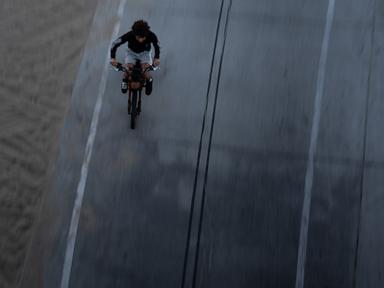
Handing your teenager the keys to a high-powered electric bicycle is starting to look a lot like handing them a loaded weapon. Prosecutors are finally drawing a hard line. When kids cause devastating accidents on motorized two-wheelers, local authorities are skipping past minor traffic tickets and slapping moms and dads with felony charges.
You see packs of children zipping down sidewalks and weaving through heavy traffic on bikes that act more like light motorcycles than traditional pedal cruisers. Hospitals are filling up with pediatric trauma cases, bones are shattering, and pedestrians are getting mowed down. But punishing the adults at home won't fix a broken transportation infrastructure.
The Wild West of Electric Transit
Federal law treats most low-powered e-bikes like traditional bicycles. That means no license, no insurance, and technically no mandatory helmets in many regions. Manufacturers pump out machines capable of hitting twenty or thirty miles per hour, marketing them directly to teenagers who lack the spatial awareness or maturity to handle them safely.
State laws remain completely fractured. California sets minimal age restrictions for low-powered options, while cities like New York try to clamp down with strict speed caps and heavy fines for online retailers selling illegal motor variants. Parents face a confusing patchwork of rules that change entirely the second you cross a municipal boundary line.
When Negligence Crosses the Line into Criminal Charges
Law enforcement agencies are done treating these incidents as mere accidents. In Southern California, the Orange County District Attorney's office opened dozens of active investigations targeting parents. Prosecutors brought criminal charges against adults who bought high-speed electric motorcycles for pre-teens or actively helped modify them to bypass factory speed limiters.
Take the case of Richard Eyssallenne, who pleaded not guilty to child endangerment after prosecutors alleged he bought his twelve-year-old an electric motorcycle that subsequently ran a red light and collided with a car. Prosecutors argue that handing an underage child an illegal, high-velocity machine and looking the other way crosses straight out of bad parenting and right into criminal negligence.
Defense attorneys call these actions scapegoating, arguing that society cannot expect parents to police every single mile their teenager travels. Critics also point out that putting parents behind bars does nothing to curb the root cause of the crisis: poorly regulated storefronts and dangerous roadways.
Pointing Fingers at Everyone Except the Creators
If you talk to cycling advocates and safety experts, they will tell you that holding parents responsible is only one piece of a much larger puzzle. Retailers continue to sell high-speed motorized vehicles online without verifying the age or location of the buyer. Children buy throttle-heavy machines that weigh over one hundred pounds, capable of acceleration that surprises even experienced adult riders.
Blaming parents feels cathartic, but it ignores the manufacturers profiting off loopholes. Municipalities also share the blame for failing to build safe, protected bike lanes, forcing kids onto congested asphalt where a single mistake turns fatal.
If you're a parent navigating this chaos right now, don't rely on vague laws to keep your kids safe. Set strict rules before letting a teenager touch an electric throttle. Enforce mandatory full-face helmets, restrict access to high-speed modes, and verify local vehicle classifications before buying anything online.
Recent e-bike crashes raise questions about parental responsibility
This video discusses the legal realities and rising police investigations surrounding youth e-bike accidents and parental liability.