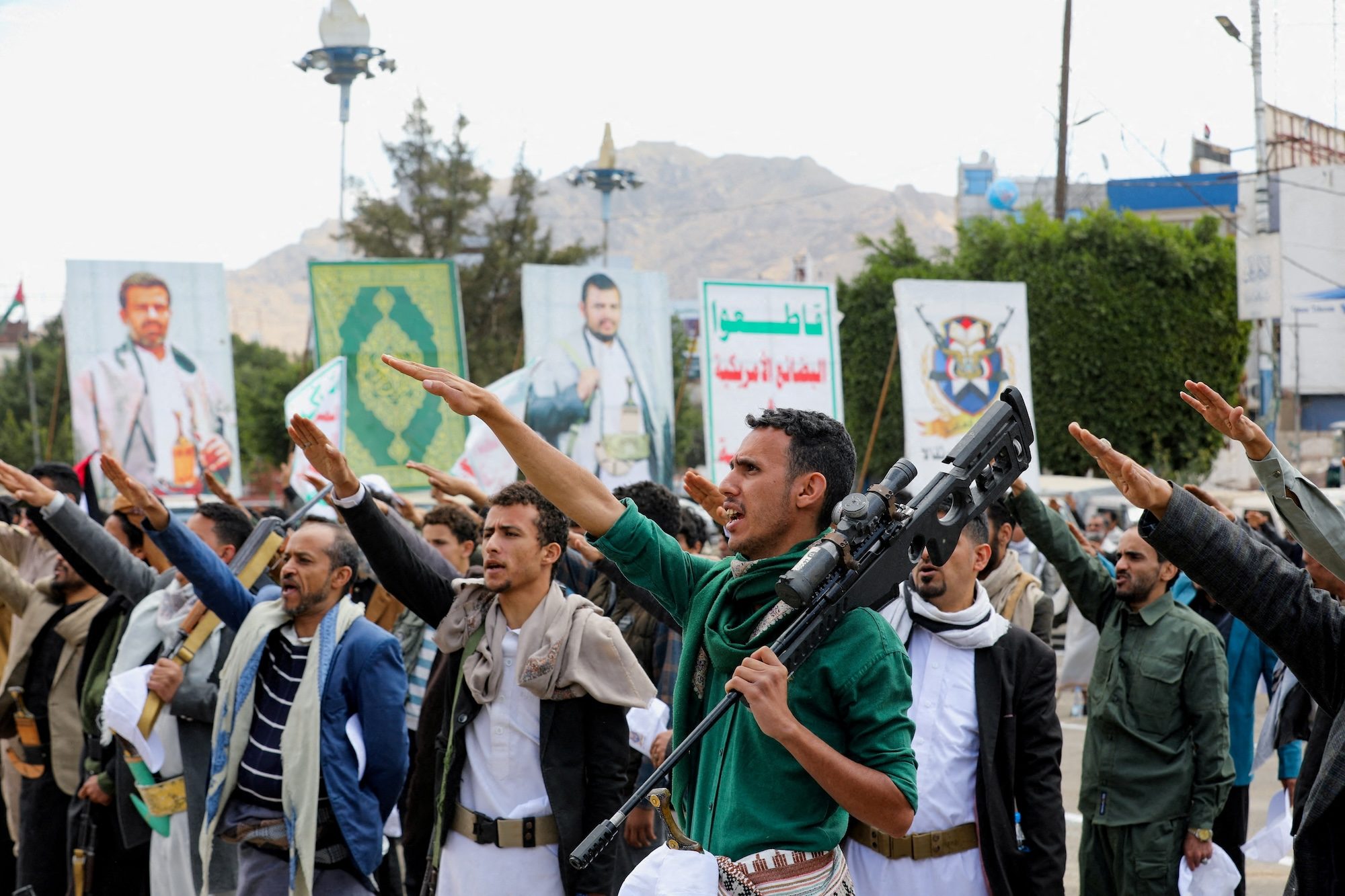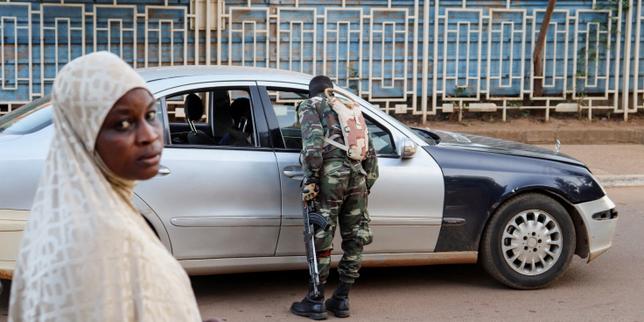
The numbers coming out of Yemen right now are brutal. Over the past three weeks alone, a sudden surge in fighting has displaced roughly 71,000 children, uprooting families from their homes and pushing vulnerable kids straight toward starvation.
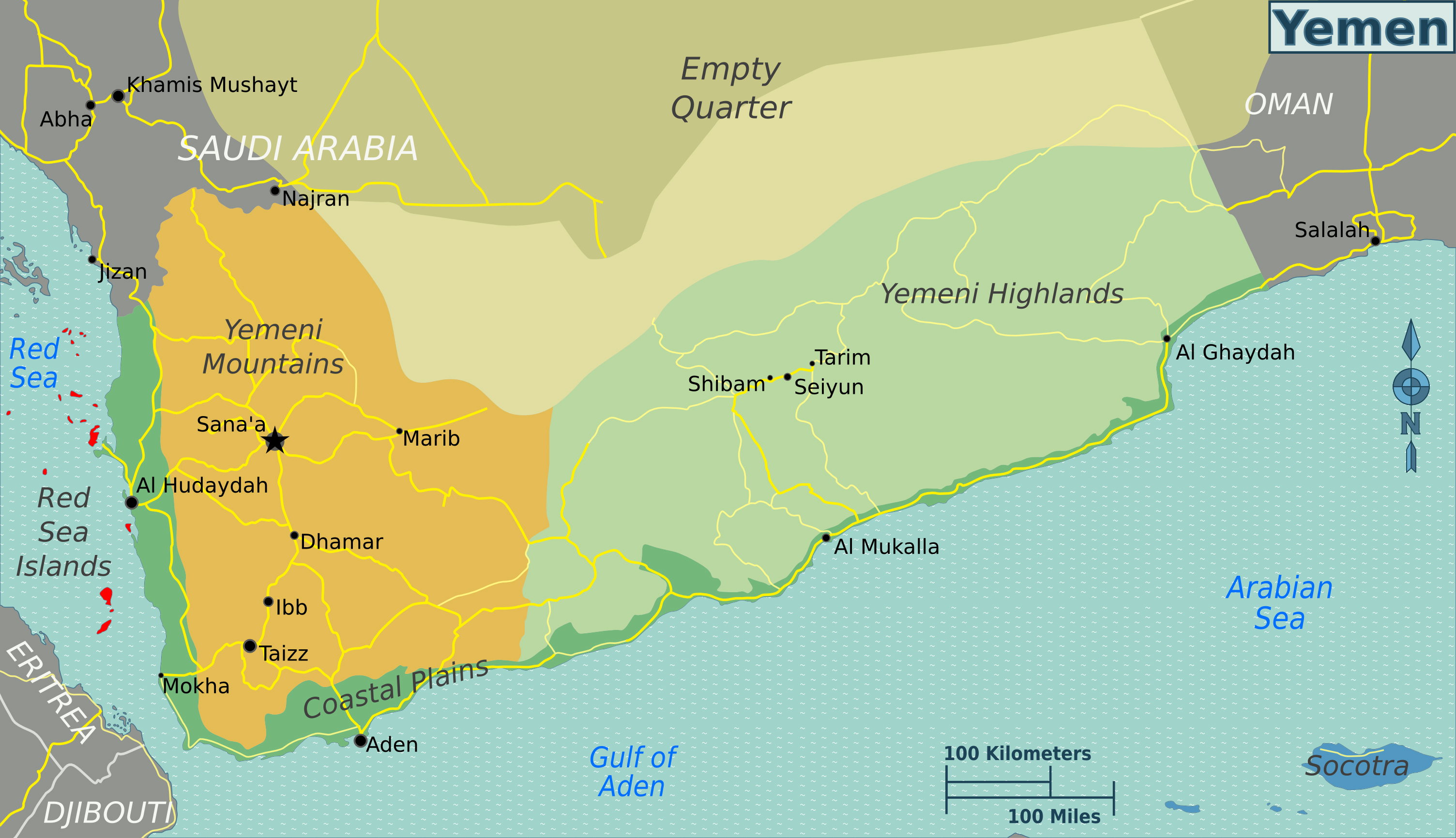
If you're wondering why this matters right now, it's simple. The fragile, frozen status quo we relied on for years has completely collapsed. Territorial shifts by Houthi forces, particularly along the Red Sea coast and around Taiz, have triggered fresh waves of violence. UNICEF country representative Akhil Iyer made it clear from Geneva and Aden: conflict drives hunger, and hunger makes children completely defenceless against the ongoing violence. Read more on a related topic: this related article.
The Reality on the Ground For Displaced Families
Let's look at what's actually happening to the kids caught in the crossfire. UNICEF mobile screening teams examined nearly 2,900 children in accessible pockets recently. The results are terrifying. More than a quarter of those children were acutely malnourished. Even worse, roughly 200 of them hit the absolute worst category: severe acute malnutrition.
And that is just a tiny snapshot. Across Yemen, the broader picture is bleak. Public health organizations project that 2.2 million children under five will face acute malnutrition this year alone. More than half a million of those kids are expected to suffer from severe acute malnutrition, fighting for their lives daily. Additional analysis by The New York Times explores comparable views on this issue.
Education isn't surviving either. Parents aren't just fleeing with clothes on their backs; they're watching schools shut down completely. Over 243 schools closed their doors in just three weeks, locking nearly 140,000 students out of classrooms.
Why This Escalation Feels Different
You might ask why this particular flare-up is causing such catastrophic displacement. The civil war between Saudi-backed government forces and Iran-backed Houthi groups had quieted down after a 2022 truce. That peace didn't last.
Recent weeks changed everything. Houthi forces swept south, capturing key positions like the strategic port city of Mocha and tightening their grip on the Bab al-Mandeb strait. This vital maritime corridor gained immense strategic weight after broader regional conflicts choked off alternative shipping lanes. As the front lines shifted inland toward the highlands, civilians bore the brunt of the assault.
Families didn't just move down the road. Tens of thousands ran for their lives, with many even attempting dangerous boat crossings across the Red Sea toward Africa just to escape the bombardment.
What Humanitarian Workers Face Daily
Access is the biggest battle. When fighting intensifies around urban centers and regional transport routes, aid trucks cannot get through. Medical facilities get bombed, disrupted, or simply overwhelmed.
UNICEF verified that at least 15 children were killed and 14 injured since early September, while three more remain completely missing. Behind every single one of those statistics is a parent living through the worst kind of grief, sitting in makeshift camps with no clean water, no reliable food supply, and zero certainty about tomorrow.
Aid agencies keep repeating the same desperate warnings. Protecting civilian infrastructure and honoring international humanitarian law shouldn't be optional. Safe, unimpeded humanitarian access is the only thing keeping millions from total collapse.
If you want to track how this crisis impacts global supply chains and regional stability, keep your eyes on the Bab al-Mandeb strait and upcoming UN funding appeals. Support local humanitarian organizations on the ground that are still finding ways to deliver emergency therapeutic feeding to children who cannot afford to wait another day.