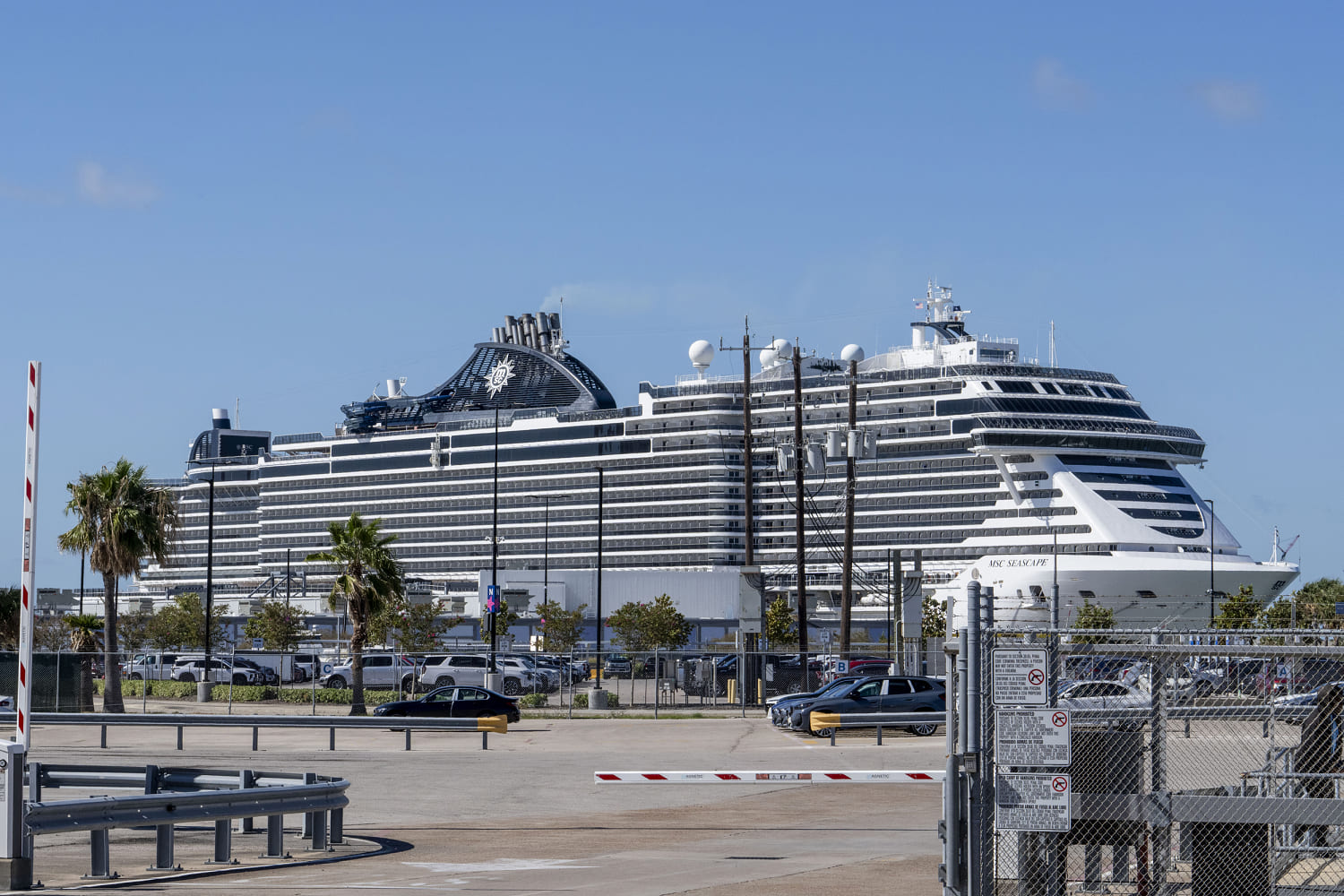
Vacations are supposed to be an escape from reality. For passengers aboard the MSC Seascape, that illusion shattered when a deadly crime turned a floating resort into a federal crime scene.
Federal prosecutors charged 48-year-old Jason Leon Watford of Tyler, Texas, with murder after a woman was found dead in a cabin while the ship operated in international waters. According to court documents filed by the FBI, the incident exposes glaring questions about security, jurisdiction, and how quickly a routine getaway can spiral into violence.
How the Tragedy Unfolded on the MSC Seascape
The timeline outlined in federal affidavits paints a grim picture. Watford and the victim had been dining at a restaurant onboard the ship when an argument broke out. Watford left the eatery first, and the woman followed him to their stateroom roughly 25 minutes later.
Less than an hour after she entered the cabin, a routine housekeeping check changed everything. A crew member went to the room to drop off fresh towels. When Watford opened the door slightly, the housekeeper spotted blood on his hands and clothing. Looking past him, she saw a woman lying motionless on the floor and immediately raised the alarm with ship security.
Investigators noted that Watford later changed his clothes before sitting outside in the hallway, casually scrolling through his smartphone while waiting for security to detain him. He was handed over to federal authorities when the ship docked back in Galveston, Texas.
The Confession and the Federal Case
According to the criminal complaint, Watford told investigators that he simply "snapped" during the dispute. He admitted to striking the woman and wrapping his arm around her neck from behind, applying pressure for four to five minutes until he grew exhausted.
Because the crime occurred on a U.S.-bound vessel in international waters, the case falls squarely under federal jurisdiction. Watford faces severe penalties, including up to life in federal prison and a maximum fine of $250,000 if convicted. Court records also show a prior arrest in Texas for assaulting a family member, for which he had been serving probation.
Why Cruise Ship Crimes Present Unique Legal Hurdles
Most travelers assume that crimes committed at sea are handled like standard land-based offenses. They are not. Jurisdiction often depends on the flag of the ship, the nationality of the victim and suspect, and precisely where the vessel was located when the crime occurred.
When U.S. citizens are involved on a cruise departing from an American port, the FBI routinely steps in as the primary investigative agency once the ship returns to domestic soil. Cruise lines operate under strict protocols to lock down areas, preserve forensic evidence, and transfer suspects to federal law enforcement immediately upon docking. Yet, the physical confines of a cruise ship mean passengers have limited recourse when violence breaks out behind closed stateroom doors.
Security teams on mega-ships act as first responders, but they are corporate security, not trained homicide detectives. This makes the immediate preservation of CCTV footage, electronic keycard logs, and witness statements from crew members vital for federal prosecutors building a airtight case.
As the legal proceedings unfold in federal court, the incident serves as a sobering reminder that isolation at sea changes the rules of safety entirely.