Imagine sitting in a humid Havana apartment with the thermometer hitting 90 degrees, mosquitoes buzzing around your face, and the food in your fridge slowly rotting. Then the fan stops spinning. Again.
For 9.6 million Cubans, this isn't a hypothetical annoyance. It's daily life.
Cuba just suffered its second nationwide blackout in less than a week, a total grid failure that triggered at 4:30 PM local time on Friday, July 10, 2026. This follows another massive system collapse just days earlier on July 6. The state-run electric utility, Unión Eléctrica (UNE), has been playing a desperate game of whack-a-mole, but the reality is clear. The national grid isn't just failing. It's fundamentally broken.
Mainstream media outlets look at Cuba and see a sudden, dramatic crisis. But if you talk to anyone who understands energy infrastructure—or anyone who actually lives on the island—you know this wasn't an accident. It's the inevitable result of a perfect storm. Decades of structural neglect, the abrupt loss of cheap Venezuelan crude, and a punishing, renewed U.S. oil blockade have combined to turn the lights off for good.
The Anatomy of a Collapsing Power System
To understand why Cuba keeps going completely dark, you have to look past the political finger-pointing and focus on the engineering.
Cuba relies on thermoelectric power plants built during the Soviet era. These plants are ancient. Most have outlived their operational lifespans by decades. They require constant, intensive maintenance that the Cuban government simply cannot afford. When you lack the foreign currency to buy basic spare parts, you patch things together with duct tape and prayers.
Eventually, those patches fail.
Before the total collapse on Friday, the country was already running on a massive energy deficit. On a typical day in early July, the island's electricity deficit climbed to a staggering 1,955 megawatts. Average daily power outages for regular citizens had already hit 20 hours in some regions. When a grid operates under that kind of immense, unyielding strain, a failure at just one major plant creates a domino effect. The whole system trips to protect itself, resulting in a total disconnection.
But the physical plants are only half the problem. You can't run a power plant without fuel.
The Geopolitical Squeeze
For years, Cuba survived on a lifeline of cheap oil from Venezuela. But that lifeline was abruptly severed earlier this year. Following a U.S. military operation that captured Venezuelan President Nicolás Maduro, the new administration in Caracas led by Delcy Rodríguez halted the flow of subsidized crude to Havana.
Suddenly, Cuba lost its primary fuel source.
The island produces some domestic crude, but it only covers about 40% of its total energy needs. Worse, Cuban crude is heavy and sulfurous, meaning it actively corrodes the delicate internal machinery of those aging Soviet-era plants. To keep the lights on, Cuba needs light, imported oil.
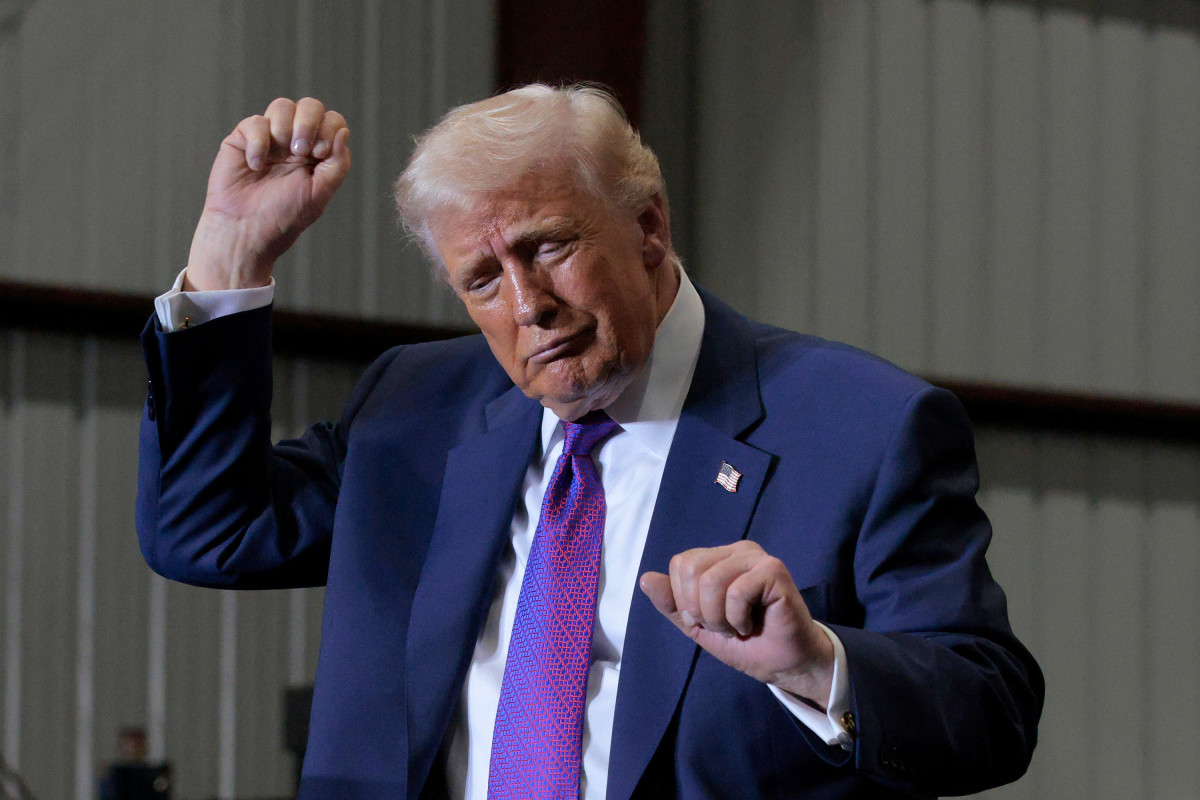
They aren't getting it. In January 2026, U.S. President Donald Trump signed an executive order establishing a strict oil blockade and imposing tariffs on any nation delivering fuel to Cuba. The economic embargo has effectively scared off global shipping companies. According to Cuban authorities, since the blockade began, only one major oil tanker—sent from Russia back in March—has successfully docked and unloaded fuel. That supply ran dry in May.
Without fuel, the backup diesel generators that the government scattered across the island to handle peak demand are sitting completely idle.
Beyond the Darkness: The Human Cost
When Western media covers a blackout, they focus on the lack of light. But a prolonged power failure in Cuba triggers a cascading humanitarian crisis that affects basic survival.
- Water System Failure: Cuba’s water distribution relies entirely on electric pumps. When the grid collapses, the water stops flowing. In neighborhoods across Havana and Santiago de Cuba, residents go days without running water after a power cut, forcing them to rely on expensive, unreliable water trucks.
- Economic Ruin for Entrepreneurs: In recent years, Cuba opened the door to small private businesses, known as pymes. These bakeries, cafes, and small grocery stores invested their life savings into inventory. Yailin Fis Garcia, a 26-year-old who opened the La Criolla cafe in central Havana just weeks ago, watched her food spoil twice in five days. For independent operators, these blackouts mean sudden bankruptcy.
- The Medical Emergency: While the government attempts to route emergency power to critical hospitals, the system is fragile. UN Human Rights Chief Volker Türk recently warned that the severe economic restrictions and fuel shortages are directly impacting public health, with doctors lacking the basic power and supplies needed to treat vulnerable patients.
Can Solar Save Cuba?
The Cuban government isn't blind to the crisis. President Miguel Díaz-Canel has openly admitted that the country's economic model needs urgent changes. The official state plan is to aggressively pivot toward renewable energy, specifically solar power, to break the dependence on imported oil.
Cuba has partnered with China to import solar technology and build massive photovoltaic farms. The goal is logical. Cuba has plenty of sunshine.
But logic doesn't solve a short-term crisis. Right now, renewable energy accounts for roughly 10% of Cuba's total energy mix. Transitioning a nation’s entire infrastructure takes billions of dollars and years of stability—two things Cuba does not possess in 2026. You can't build a solar future when your citizens are currently hunting for flashlights and cooking over open wood fires because the electric stoves don't work.
What Happens Next
Don't expect a quick fix. The U.S. stance remains unyielding. U.S. Ambassador to the UN Mike Waltz explicitly blamed Havana for the crisis, telling the Cuban government to "change your ways and turn the lights back on." Meanwhile, Cuba's economy contracted sharply in the first half of 2026, leaving the state with virtually no leverage to negotiate new credit lines or buy expensive fuel on the open market.
If you are tracking this situation, stop looking for a single point of failure. The grid didn't fail because of a bad storm or a single broken wire. It collapsed because the structural, political, and economic foundations supporting it have completely eroded.
For the millions of people living through it, the immediate future holds more heat, more spoiled food, and longer nights in the dark. Cuba's energy crisis isn't a headline about a bad week. It's the sound of an entire country's infrastructure running on empty.