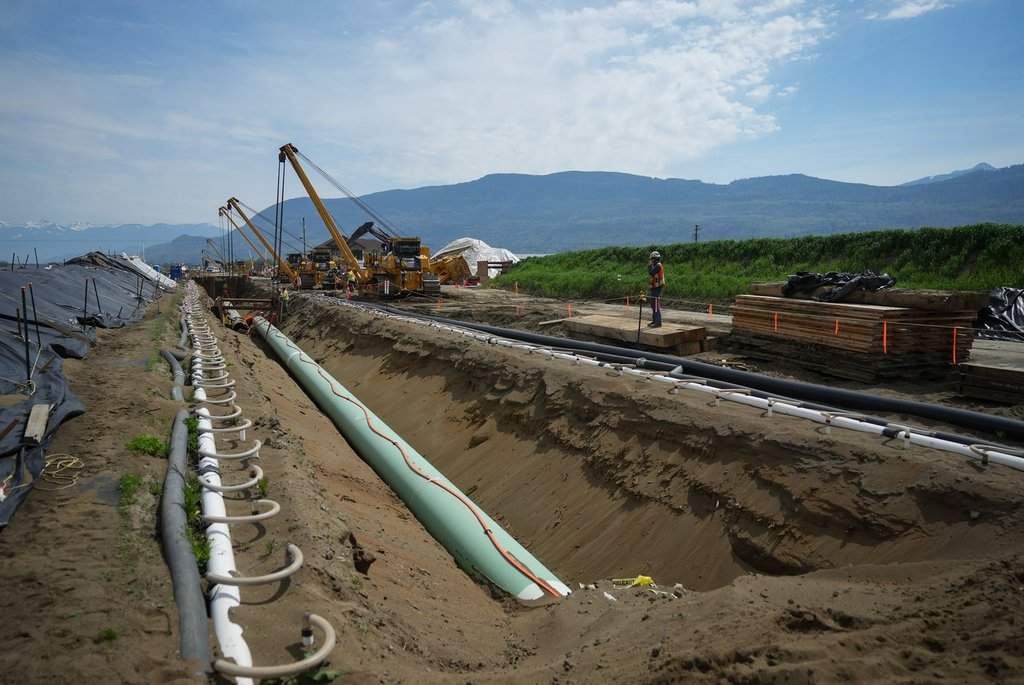
Alberta is playing a high-stakes game of energy chicken, and the next card drops this Thursday. Premier Danielle Smith’s office confirmed her government will finally share the details of its submission to the federal Major Projects Office. The target is massive: a brand-new, one-million-barrel-per-day oil pipeline slicing through British Columbia to get crude to Asian markets.
If you think this is just another routine energy announcement, you're missing the real story. This proposal is the crown jewel of an energy accord signed late last year between Smith and Prime Minister Mark Carney. They set a hard deadline for July 1 to get the paperwork in. Because of the Canada Day holiday, the big reveal is moving to July 2.
But behind the official handshakes and optimism from federal Energy Minister Tim Hodgson, who claims negotiations are "going well," lies a messy web of political survival, environmental standoffs, and deep financial skepticism. The truth is, building a massive new pipeline across B.C. right now faces obstacles that might make the Trans Mountain expansion look like child's play.
The Northern Route Political Gamble
Leaked provincial documents showed that Alberta has been weighing four potential paths. Three of those routes cut directly through northern B.C., aiming for a terminal on the north coast near Prince Rupert or Kitimat.
Why push north when southern routes already have infrastructure? It comes down to geography and transit times to Asia. A northern port shaves days off a tanker’s journey across the Pacific.
But industry insiders see a different motive. Going north is a deliberate political calculation. These routes steer clear of the highly populated, politically hostile southern regions of B.C., moving instead through areas that historically show more openness to resource development.
That strategy has a glaring flaw. A federal oil tanker moratorium explicitly protects B.C.’s northern coast. You cannot legally load crude onto a supertanker up there. While the Carney government has hinted it might tinker with parts of the ban to appease Alberta and suppress western separatist energy, B.C. Premier David Eby isn't having it. Eby has doubled down on his opposition, backed heavily by coastal First Nations who fought—and defeated—the old Northern Gateway project.
The Zero-Emission Ultimatum
Ottawa isn't handing over a blank check. Federal backing for this project relies on a strict tit-for-tat deal involving the Pathways carbon storage network.
The Pathways initiative is a multi-billion-dollar project backed by Canada's five biggest oil sands producers, including Suncor and Cenovus. The plan is to capture carbon dioxide from northern facilities and pipeline it to an underground storage hub. Minister Hodgson confirmed that the new export pipeline and the Pathways carbon network are completely dependent on each other. If the oil patch doesn't bury its carbon, Ottawa won't fast-track the oil.
Here is what the politicians aren't telling you: the CEOs of those massive oil companies are hesitant to sign on. Building a pipeline requires committed shippers who pledge to fill it for decades. Right now, those companies face a rising industrial carbon tax and staggering capital costs for carbon capture. They aren't rushing to commit billions to a hypothetical pipeline when the economic math doesn't add up.
What Happens Next
The provincial government wants the federal cabinet to designate this a project in the "national interest" by October. That designation would trigger an accelerated review process, bypassing standard regulatory red tape to get shovels in the ground by September 2027.
Watch these three specific pressure points over the next few weeks to see if this project is actually real or just political theater:
- The Commercial Sign-offs: Look for whether any major oil producers publicly commit to shipping capacity on Thursday. A pipeline without confirmed corporate backers is just an expensive map.
- The B.C. Legal Challenge: Watch for Premier David Eby's formal response to the routes. B.C. can use provincial environmental permits to stall construction for years.
- The Tanker Ban Fight: Keep an eye on Ottawa to see if Mark Carney introduces actual legislation to amend the northern tanker moratorium, which will trigger an immediate uproar from coastal communities.