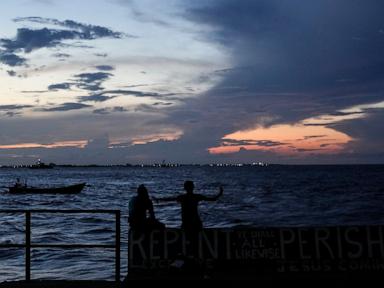
Over seventy lives vanished when the state-run ferry MV Barima went down off the coast of Guyana. Now, authorities aren't just investigating a tragedy; they're putting the crew on trial for murder.
Police in Georgetown took formal action on a Tuesday morning. They slapped murder charges on 40-year-old Captain Kevin Price, chief mate Rondell Dwayne Roberts, and cargo superintendent Delon Granderson. These men stood in a courtroom without legal representation, facing the fallout of what has become the South American nation's worst recorded maritime disaster.
The numbers tell a horrifying story. The vessel departed the capital with an official roster that officials quickly realized meant nothing. At least 179 people were estimated to be onboard, and the death toll climbed past 70 while roughly 30 passengers remained missing.
Why the Manifest Was a Death Trap
You can't manage safety when you don't even know who is on the boat. For years, informal ticket-selling practices at state-run docks let individuals buy unrecorded seats for cash. This wasn't a secret. It was a systemic flaw that turned routine travel into a gamble.
When the MV Barima capsized in Atlantic waters on its way to Port Kaituma, rescue teams hit a wall of confusion. Survivors pulled from the water weren't on the passenger manifest. Families spent days agonizing because the official lists bore no resemblance to reality. Public figures labeled this practice a criminal action, but the truth is that it took a massive catastrophe for anyone to care enough to stop it.
Neglect Meets the Open Sea
People rely on ferries in Guyana because interior road systems are sparse and air freight costs too much. Passengers pay for affordable transport, but they shouldn't have to pay with their lives. Survivors reported that water was actively seeping into the cargo area as the aging vessel limped along the coast.
The ship was over eighty years old. While scheduled for major repairs later in the year, it stayed operational because construction on a new pier to house a replacement vessel from India faced delays. Pushing an aging ship past its limits while ignoring basic safety compliance creates a ticking clock.
The Political Fallout and Rising Tensions
Parliament sessions turned explosive as opposition lawmakers banged desks and demanded the immediate resignations of top officials, including Works Minister Juan Edghill and Junior Minister Indar Persaud. Accountability stops somewhere, and the public wants to know why warning signs were ignored for so long.
Prime Minister Mark Phillips announced a five-panel commission of international legal and marine experts to investigate the sinking. Meanwhile, the wreckage rests roughly fifty feet underwater. Authorities state it will likely stay there permanently rather than undergo a complex salvage operation.
What Happens Next
Holding a captain and crew criminally responsible sends a harsh message about operational negligence, but it doesn't fix the country's broader transportation vulnerabilities. Remote communities still need safe, reliable ways to move goods and people.
Check your local travel networks and demand transparency from the services you use. Real safety reforms require permanent systemic changes, not just courtroom trials after the damage is done.