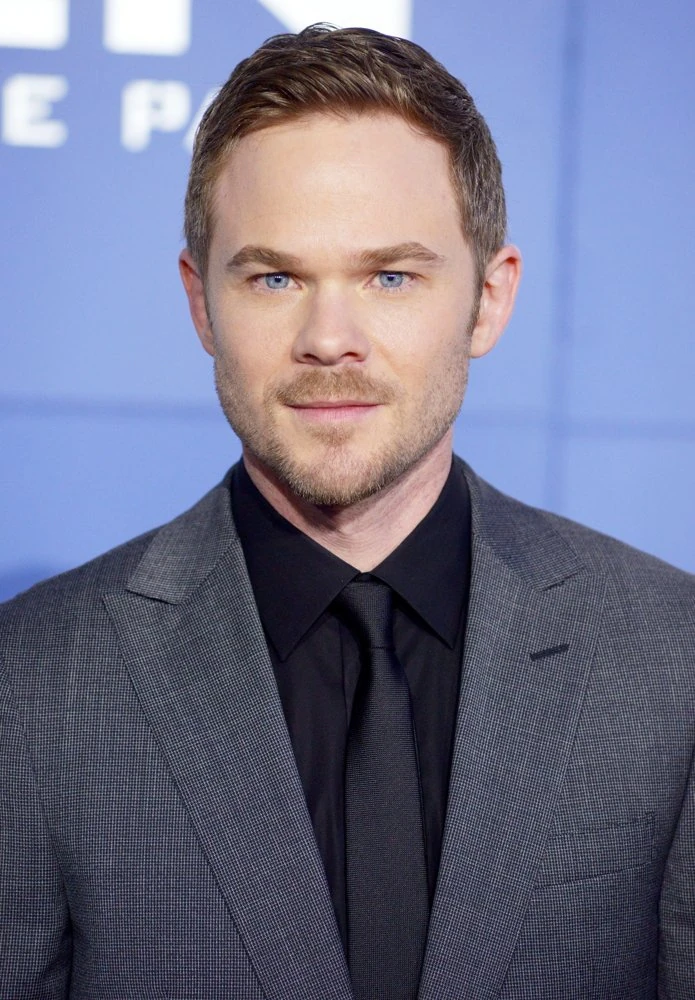
Ramiro Valdés Menéndez is dead at 94. The news broke when Cuban President Miguel Díaz-Canel announced the passing of one of the final remaining titans of the 1959 revolution. For decades, Valdés wasn't just a political figure. He was the shadow that hung over every Cuban household. While Fidel Castro gave the speeches, Valdés built the apparatus that watched everyone.
Most people know about Che Guevara and Raúl Castro. They don't know about the man who actually secured their power from the inside. Valdés was the true mechanic of the Cuban police state. His death on June 21, 2026, marks the literal end of an era. It closes the book on the old guard that turned an island into an intelligence powerhouse. Understanding his life explains exactly how the Cuban government survived for over six decades against all odds.
The Man Who Built Cuba Iron Curtain
Valdés came from nothing. Born in 1932 into a poor family in Artemisa, he worked as an apprentice lineman and a truck driver helper. He joined Fidel Castro early. He was there at the disastrous 1953 attack on the Moncada Barracks. He was one of the mere 12 men who survived the initial landing of the Granma yacht in 1956. He bled for the cause. He served as second-in-command to Che Guevara during the guerrilla war.
That history gave him untouchable status. When the rebels took Havana, Castro handed Valdés the job of keeping them in power. He became the first Minister of the Interior in 1961. He didn't build a standard police force. He traveled to Czechoslovakia with Raúl Castro in 1960 to learn from Soviet-bloc intelligence specialists. He brought those brutal, efficient methods straight back to Havana.
He created the G2 state security services. It became an organization obsessed with total control. Under his watch, neighbor spied on neighbor through the Committees for the Defense of the Revolution. Valdés himself once admitted in a rare interview that no one moved without security knowing about it. That wasn't a boast. It was a reality that crushed domestic resistance before it could even start.
Inside the G2 Machinery
The system Valdés created relied on absolute saturation. He managed the hardest phase of post-1959 crackdowns. When anti-communist groups took up arms in the Escambray mountains, Valdés orchestrated the counterinsurgency. When the CIA tried to plant operatives, his G2 agents routinely outmaneuvered them.
He had a reputation for being cold, quiet, and ruthlessly efficient. He wore green military fatigues and a distinct white goatee until his final days. He didn't care about public affection. He cared about organizational stability. His philosophy was simple. Total surveillance equals total survival for the regime.
Political fortunes in Cuba are notoriously fickle. Castro removed Valdés from the Interior Ministry in 1969, brought him back in 1978, and pushed him out again in 1986. Most officials disappear forever after that kind of fall. Valdés didn't. He adapted.
Controlling the Internet Wild Colt
When Valdés lost the spy ministry, he took over a small national electronics outfit called Copextel. It seemed like a demotion. Instead, he turned it into the foundation for Cuba's modern telecom and IT infrastructure. He shifted his focus from physical surveillance to digital control.
By the mid-2000s, he was the Minister of Informatics and Communications. He openly viewed the internet as a weapon of foreign aggression. In 2007, he famously called the internet a tool for global extermination. He added that the wild colt of new technologies must be controlled.
He didn't ban technology outright. He just choked it. He ensured that the island's digital network was built with structural bottlenecks, making it easy for state security to monitor traffic and block independent news. The current Cuban digital police state is a direct result of his pivot to electronics in the 1990s.
The Venezuelan Connection and the Last Guard
His expertise wasn't confined to Cuba. In 2010, Hugo Chávez brought Valdés to Venezuela. Officially, he went to help manage a severe energy crisis. The Venezuelan opposition knew better. They accused him of exporting the Cuban surveillance model to Caracas.
The deal was simple. Venezuela gave Cuba cheap oil. Cuba gave Venezuela intelligence handlers, wiretapping systems, and elite security details to protect Nicolás Maduro and his inner circle. Valdés was the architect of that dark trade. He built an ideological bridge that kept both regimes afloat during massive economic collapses.
Now, he is gone. Only Raúl Castro remains among the most prominent faces of the original mountain fighters. The younger generation of Cuban leaders, led by Díaz-Canel, lacks the revolutionary credentials that made Valdés untouchable. They govern an island plagued by blackouts, food shortages, and historic migration waves.
What Comes Next for Havana
The passing of Valdés changes the internal dynamics of the Cuban state. Without the original commandantes to hold the line, the current administration faces a profound legitimacy crisis. Young Cubans don't care about the Granma landing of 1956. They care about inflation and empty grocery stores.
Watch the internal security shifts closely over the next few months. Look for signs of fragmentation within the Ministry of the Interior. Pay attention to how the government handles digital crackdowns during the next wave of spontaneous street protests. The tools Valdés built are still there, but the hands holding them lack his historical authority. Talk to independent Cuban journalists tracking state security changes. Read reports from organizations like CubaData and the Inter-American Dialogue to understand how surveillance evolves without its founder. The old guard is officially out of time.