Two crude bombs went off near Dhaka's main international airport on Monday night, and three pedestrians walked away injured. That's the headline version. If you stop there, though, you're missing why security officials across Bangladesh have been losing sleep for weeks.
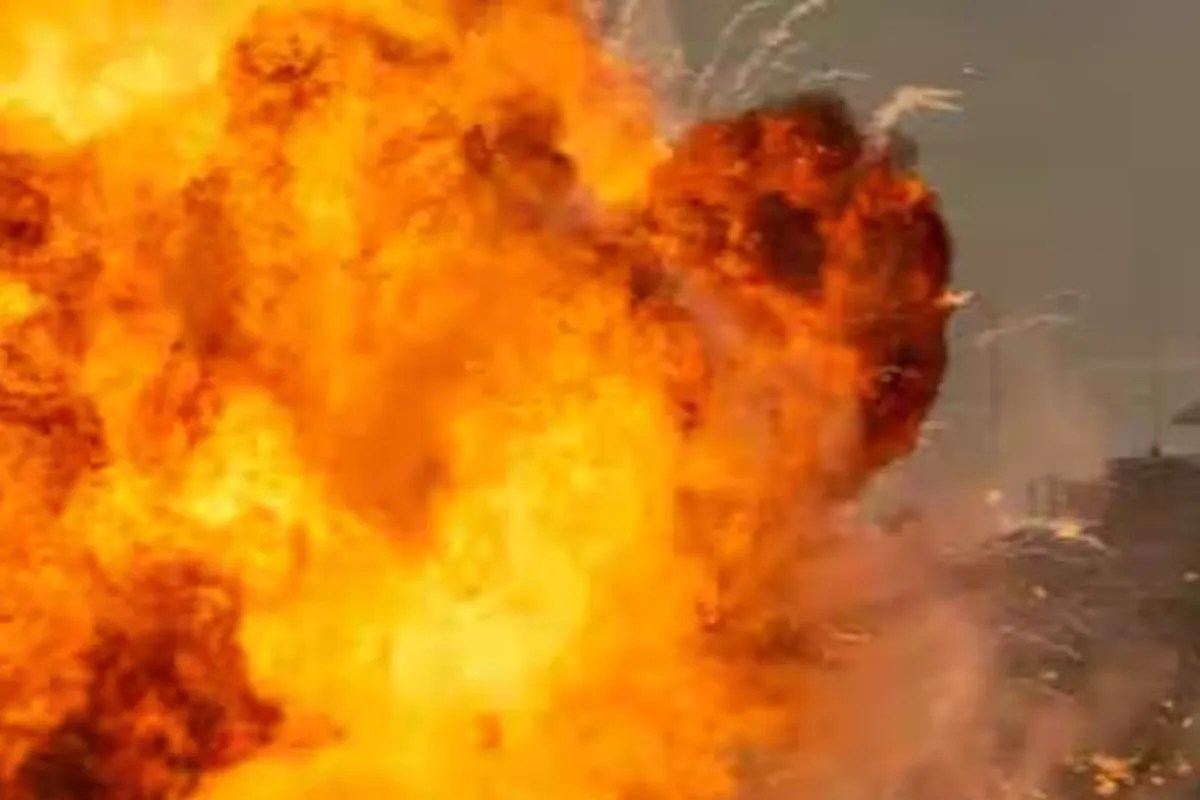
The blasts happened right outside Hazrat Shahjalal International Airport. One device detonated near the outer gate, and the second went off nearby in the Jasimuddin area around the flyover connectors. Police say attackers hurled the devices from a flyover. Nobody inside the terminal was hurt, and the three injured pedestrians suffered minor wounds and got primary treatment. Still, setting off explosives next to a major aviation hub isn't a random street scuffle. It's a loud signal in a country already on edge. Don't forget to check out our recent article on this related article.
When I look at how fast breaking reports like this get flattened into three-line wire briefs, it drives me crazy. Readers searching for Dhaka airport bomb blasts aren't just looking for a headcount. They want to know what actually happened, whether flights or travelers are in immediate danger, and what kind of political storm is brewing underneath.
What Actually Happened Near Dhaka Airport
Let's stick strictly to what police and credible outlets have confirmed so far. According to Kamrul Islam Talukdar, officer-in-charge of the Airport Police Station in Dhaka, unidentified miscreants detonated two crude bombs near Hazrat Shahjalal International Airport on Monday night, November 16, 2026 (with reports breaking through Tuesday, November 17). To read more about the background here, NBC News offers an excellent summary.
Look at the geography of those two blasts. The first one hit near the airport's outer gate. The second hit close by in Uttara's Jasimuddin area, right near flyover connectors. Throwing crude bombs from a flyover is a classic hit-and-run tactic in Dhaka. Flyovers give attackers elevated angles, quick escape routes into dense traffic, and a wall of distance before police on the ground can lock down lanes.
Three pedestrians picked up minor injuries and received primary medical care. Police haven't named suspects yet, and no group has claimed responsibility. That silence matters. In tense political climates, unclaimed crude bomb attacks are often meant to test security response times and rattle commuters rather than cause mass casualties.
Why This Isn't Happening in a Vacuum
You can't read about Dhaka airport bomb blasts without looking at the broader political pressure cooker Bangladesh is sitting in right now.
Tension has been building over talk that ousted Prime Minister Sheikh Hasina could return to Bangladesh in December 2026. Hasina has been living in India since August 2024, when a student-led uprising toppled her government. Since her ouster, the Awami League has been barred from political activities and participating in elections.
Over recent weeks, scattered acts of violence, arson, and sabotage have hit different parts of the country—including attacks on trains, buses, and banks. Police have pointed the finger at Awami League activists and allied groups for several of those incidents, though officials explicitly say they don't yet know whether Monday night's airport-area blasts are directly tied to Hasina's rumored December return.
That distinction is huge. Speculation spreads faster than ballistics reports. Police haven't confirmed a direct link between the two flyover bombs and Hasina's possible return, so treating speculation as settled fact would be irresponsible. At the same time, ignoring the backdrop would be naive.
How Security Forces Are Reacting Across Bangladesh
When explosives go off next to an international airport, police don't wait for a formal motive to tighten the screws. Security around Hazrat Shahjalal International Airport and surrounding corridors was stepped up immediately after the blasts.
Zoom out a bit and you see a nationwide posture shift. Inspector General of Police Md. Ali Hossain Fakir issued specific directives to all 64 district superintendents of police, eight metropolitan police commissioners, and eight range DIGs to crack down on acts of sabotage. Additional IGP Md. Ahsan Habib Palash has stated publicly that police are prepared to counter disruption.
Some districts are seeing heavy deployments ahead of December. Take Gopalganj, Hasina's home district. After clashes on November 10 where police vehicles were torched—incidents police blamed on Awami League supporters—and fresh unrest last Sunday, authorities deployed roughly 2,000 police personnel there, backed by 10 platoons of Border Guard Bangladesh (BGB) and Special Response Battalion (SRB) units. Around the Dhaka police range, DIG Md. Mustafizur Rahman noted heightened precautions across Gopalganj, Shariatpur, Madaripur, and Faridpur, including extra watch over the Padma Bridge, highways, and city roads.
Meanwhile, street pressure isn't limited to politics. Garment workers—the backbone of Bangladesh's export economy—have also returned to the streets in protests, adding another layer of friction for traffic and law enforcement.
Common Misconceptions About Crude Bomb Incidents in Dhaka
Whenever news breaks about blasts near an airport, a few predictable assumptions pop up online. Most of them get the details wrong.
- Assumption 1: The airport terminal itself was breached or shut down. Not what happened. The blasts occurred outside the perimeter—near the outer gate and the nearby Jasimuddin flyover area—and injured three pedestrians with minor wounds.
- Assumption 2: Every crude bomb blast in Dhaka is a coordinated terror plot. Crude bombs (locally known as cocktails) have unfortunately been used for years in Dhaka as tools of political intimidation, extortion, or street disruption. That doesn't make them harmless—three people still got hurt—but their tactical profile differs from hardened facility attacks.
- Assumption 3: Officials already know who threw them. Police are still investigating, reviewing local security and traffic angles, and haven't named culprits or confirmed a direct link to Sheikh Hasina's anticipated return.
What Travelers and Observers Should Watch Next
If you're flying through Dhaka, managing logistics, or tracking regional stability, don't rely on social media threads. A few practical moves actually help:
- Check live airline and airport advisories before heading to HSIA. Even when perimeter incidents don't close runways, snap roadblocks and extra checkpoints around Uttara and the airport flyovers can turn a 30-minute ride into a multi-hour crawl.
- Follow primary Bangladeshi and regional reporting. Outlets like Dhaka Tribune and New Age carry direct police briefings and local ground reporting faster than secondhand aggregators.
- Separate police statements from political rumors. Watch for official updates from Airport Police Station OC Kamrul Islam Talukdar and Bangladesh Police headquarters rather than unverified claims tying every street incident to December political dates.
- Build buffer time into Dhaka road transit. With heightened patrols along highways, bridges, and urban arteries, last-minute airport runs carry much higher delay risk right now.