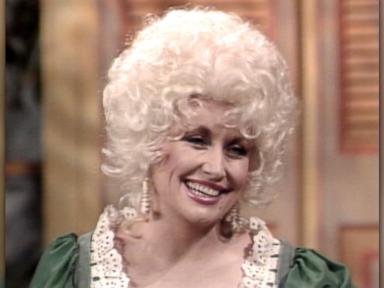
Dolly Parton didn’t just write songs. She built an empire out of pure grit, rhinestones, and mountain ballads.
When the world lost Dolly Parton at age 80 in August 2026 after a brief battle with cancer, music didn't just lose a star; it lost its most enduring architect. From her humble upbringing in Sevier County, Tennessee, sharing a two-room cabin with 11 siblings, to dominating global pop culture, Dolly's path wasn't handed to her. She earned every single accolade through relentless hard work.
If you want to understand why her musical legacy matters so much right now, you have to look past the wigs and the quick wit. You have to look at the sheer volume of masterclasses she left behind in songwriting, business independence, and cultural endurance.
The Songwriter Who Fooled the Mainstream
Most people treat country music as a lightweight genre of heartbreak and drinking tunes. Dolly weaponized it into high literature.
She wrote "Jolene" and "I Will Always Love You" on the exact same cassette tape in 1973. Think about that for a second. Two completely different monuments of modern music, born on the same afternoon. Whitney Houston took "I Will Always Love You" to the stratosphere, but Dolly's stripped-down, bluegrass-inflected original execution carried a haunting vulnerability that few vocalists ever touch.
Elvis Presley wanted to record "I Will Always Love You." Elvis's manager demanded half of Dolly's publishing rights to make it happen. Dolly said no. She walked away from millions of dollars on the table because she knew what her work was worth. That single decision defined her career. She owned her masters, she controlled her publishing, and she never let the boys in the Nashville boardrooms dictate her worth.
Owning Your Work and Your Image
Dolly understood branding decades before social media influencers even existed. She leaned heavily into the caricature of the over-the-top southern belle precisely so people would underestimate her.
"It costs a lot of money to look this cheap," she famously joked. It was brilliant misdirection. While executives laughed at her appearance, she was quietly securing the rights to her own music catalog.
When you look at modern artists fighting for control over their masters—like Taylor Swift re-recording her albums—remember that Dolly wrote the rulebook on creative autonomy. She didn't complain about the system; she bypassed it by working twice as hard as everyone else in the room. She was on television sets at dawn, writing hits on tour buses at midnight, and treating her career like a blue-collar job.
Beyond the Nashville Sound
Dolly never stayed in one lane. Traditionalists tried to box her into country music, but she blew right past those barriers.
She conquered pop charts in the 1980s with "9 to 5." She leaned into bluegrass and mountain roots with her Trio albums alongside Linda Ronstadt and Emmylou Harris. Later in life, she shocked the rock establishment by dropping a full-fledged rock-and-roll album, Rockstar, at age 77, after being inducted into the Rock & Roll Hall of Fame.
She didn't care about genre purity. She cared about a good story and a great melody. If a song moved her, she recorded it.
The Real Legacy Left Behind
Her music catalog is massive, spanning dozens of studio albums and thousands of written tracks. But her impact extends far beyond audio recordings.
Through her Imagination Library, she mailed millions of free books to children every month, changing literacy rates across multiple continents. She funded medical research and supported her home region through natural disasters without ever making it about self-promotion.
She stayed married to her husband, Carl Dean, for nearly six decades while living entirely outside the toxic fishbowl of traditional celebrity life. She kept her private life grounded while her public persona remained larger than life.
Take a look at your own creative projects or career path. Stop waiting for permission from gatekeepers who don't understand your vision. Write your own material, own your output, and keep your sense of humor intact while you do it.