Donald Trump just pissed off one of the most passionate online communities on earth. It is not a political rival or a traditional media outlet this time. It is anime fans.
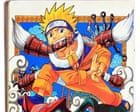
Over the weekend, a bizarre video surfaced on Truth Social. The clip depicts the US president edited directly onto the body of Naruto Uzumaki, the iconic spiky-haired ninja from the massive global hit series Naruto. It sounds like standard internet meme culture. But for thousands of fans in Japan, this was the final straw. A massive digital backlash is currently unfolding, sparking international diplomatic tension over copyright, pop culture, and propaganda.
If you think this is just online drama, you are missing the bigger picture. This is a clash between political meme warfare and Japan strictly guarded intellectual property rights.
The Straw That Broke the Anime Fanbase
The controversy exploded on Tuesday when an online petition on Change.org titled "Protect Japanese Manga" suddenly re-opened with urgent energy. Nearly 20,000 people signed it almost overnight. Fans are demanding that the White House and Trump political team stop hijacking their favorite characters for political messaging.
This is not the first time the administration did this. Back in March, the official White House account on X posted a video highlighting US military strikes on Iran. Bizarrely, the editors mixed real footage of explosions with clips from Yu-Gi-Oh!, Dragon Ball, and various Nintendo games.
That initial stunt triggered an actual response from the Japanese government. Japan Ministry of Foreign Affairs stepped in and lodged an official request with the US embassy in Tokyo, questioning the unauthorized use of these properties. The official Yu-Gi-Oh! social media account even released a public statement confirming that the creators gave absolutely no permission.
The weekend Naruto video on Truth Social reignited that dormant anger. Fans are furious that iconic symbols of friendship and perseverance are being twisted into military and political messaging.
The Hidden Rules of Anime Copyright
International copyright law is a messy business. People use anime characters in memes every single second. So why is this a massive deal?
There is a huge line between a teenager making a meme in their bedroom and an official head of state using copyrighted imagery to promote military action or political campaigns. Under US copyright law, the defense of "fair use" exists. It allows parody and commentary. But Japan has no general fair use doctrine in its domestic copyright law. Japanese publishers protect their intellectual property with an iron fist.
Shueisha, the massive Japanese publishing giant celebrating its centenary, published the original Naruto manga from 1999 to 2014. It sold over 250 million copies globally. When asked about Trump latest post, a Shueisha spokesperson pointed out that the actual copyright for the anime images belongs to a specific film production committee, rather than just the author, Masashi Kishimoto.
This corporate structure makes legal action incredibly slow. The corporate committees behind these shows rarely sue US political figures because they want to avoid getting dragged into toxic western political culture. The creators themselves usually stay silent to protect their brands. This leaves the fans to do the heavy lifting.
Why Fans are Taking This Personally
To understand the fury, you have to look at what these characters represent. Japanese manga and anime built a multi-billion dollar global footprint based on specific core themes. Naruto, Dragon Ball, and Yu-Gi-Oh! are fundamentally about underdogs overcoming trauma through friendship, self-improvement, and peace.
When official US government accounts or political campaigns slap a politician face onto these characters to celebrate military strikes or mock political opponents, it destroys that core message.
Japanese fan comments online highlight a deep cultural discomfort:
"If you respect the creators and those involved and have obtained their permission, I think that's fine," posted fan Matsui Qunishige. "Otherwise, you're just showing yourself to be someone who can't follow the rules and who disregards culture."
Another fan, Kei Fukuyosh, was more blunt: "I truly, from the bottom of my heart, want them to stop. Their sense of ethics is severely lacking. I want the government to speak out against this."
The core issue is ownership. Fans feel a protective ownership over these stories. They view Trump use of the imagery not as a harmless joke, but as a forced co-optation of their cultural heritage for nationalistic American propaganda.
What Happens Next
Do not expect the White House to issue an apology or take down the videos immediately. The Trump administration has long relied on edgy, internet-native meme culture to fire up its base.
However, the petition organizers are currently redoubling their lobbying efforts with the Japanese government. If the Ministry of Foreign Affairs escalates this into a formal diplomatic complaint, it could force the US State Department to issue internal guidelines regarding social media asset creation.
If you want to track how this plays out or ensure your own digital creations stay on the right side of international copyright, keep these concrete steps in mind.
- Monitor official campaign accounts: Watch whether the White House X account modifies or quietly deletes the disputed video packages over the coming days.
- Track corporate responses: Keep an eye on official PR portals for Shueisha and Studio Pierrot. Any formal copyright strike filed on Truth Social or X will signal a massive shift in how Japanese corporations handle foreign political use.
- Support original creators: If you want to support the artists affected by unauthorized political use, direct your attention and resources toward purchasing official manga volumes and authorized streaming services rather than interacting with politicized pirated edits.