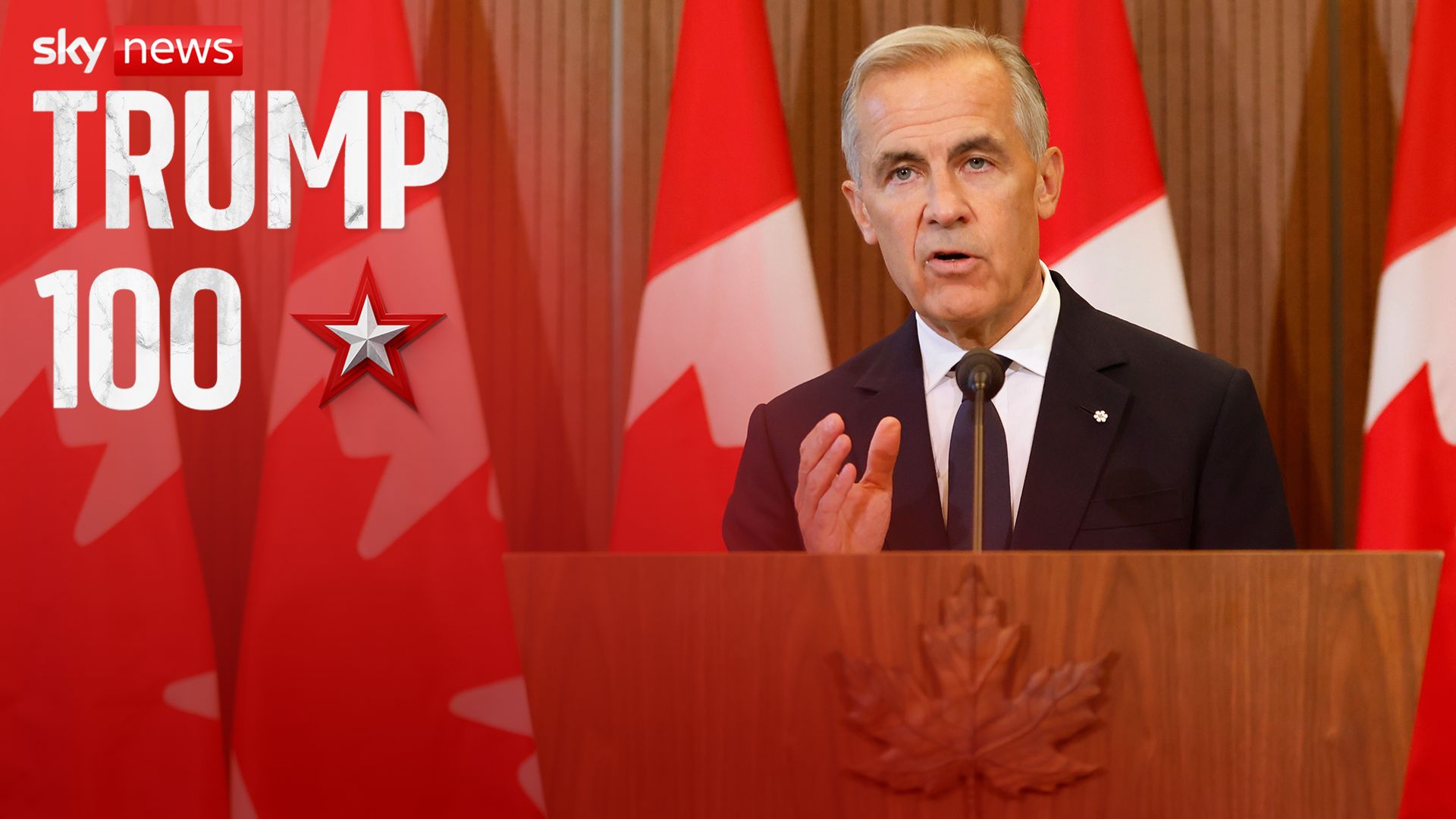
Donald Trump loves a good trade fight, and his northern neighbor keeps bearing the brunt of it. If you are wondering why the White House keeps slapping aggressive duties on Canadian goods, you need to look past the standard headlines about border security and trade deficits. This is economic hardball, plain and simple. Trump uses tariffs not just as a policy tool, but as a blunt instrument to force foreign leaders to bend to his administration's demands.
Understanding this dynamic requires looking at how the current trade war actually operates on the ground. It is messy, retaliatory, and constantly shifting between temporary pauses and steep escalations.
The Real Drivers Behind the Border Trade War
The public justification from Washington always sounds the same. Officials point to illegal immigration, the flow of fentanyl, and long-standing trade imbalances. Trump signed executive orders targeting Canadian imports right out of the gate, using national emergency powers to justify sweeping 25 percent duties.
Yet, the timing reveals a deeper strategy. These tariff threats frequently spike whenever trade pact reviews approach or when Ottawa explores alternative international partnerships. When Canadian leadership tried to shore up trade links elsewhere—such as dealing with Chinese electric vehicles—the response from Washington was immediate fury and retaliatory threats.
+-----------------------------------------------------------------+
|               Core Triggers for US Tariffs on Canada            |
+-----------------------------------------------------------------+
| * Border security and fentanyl trafficking pressures        |
| * Leverage during USMCA trade agreement negotiations      |
| * Pushback against Canadian trade deals with external nations   |
| * Domestic manufacturing protectionism                    |
+-----------------------------------------------------------------+
Legal Roadblocks and White House Workarounds
Tariffs do not happen in a legal vacuum. The Trump administration has faced steep opposition, including a major Supreme Court ruling that struck down several emergency-powers tariffs. Did that stop the policy? Not at all.
When courts block one mechanism, the White House pivots to another. Treasury officials and trade representatives quickly introduce alternative levies or sector-specific duties on steel, aluminum, and autos. This creates a exhausting cycle of whiplash for businesses on both sides of the border. Importers never quite know what their supply chain costs will look like next month.
How Canada Fights Back
Ottawa cannot match Washington dollar-for-dollar, but it has plenty of room to inflict pain. Canadian leaders have rolled out retaliatory tariffs targeting American agricultural goods, steel, and automotive products.
Political pressure also plays a massive role. Provincial leaders and domestic industries push back hard when specific regional sectors face devastation. For instance, local disputes over regional advertising campaigns and dairy quotas have occasionally brought trade negotiations to a complete standstill before forcing a messy compromise.
What This Means for Your Wallet
Tariffs sound like abstract political theater, but they translate directly into higher prices at checkout. When the U.S. slaps heavy taxes on Canadian lumber, energy, or manufactured parts, American consumers absorb those costs. Supply chains do not adjust overnight. Building domestic manufacturing takes years, while import taxes inflate consumer prices immediately.
Expect this friction to remain the default state of North American trade. As long as Trump views protectionist levies as his favorite political leverage, Canada will stay in the crosshairs. Keep a close eye on the ongoing trade pact reviews, because every scheduled checkpoint brings a fresh round of brinkmanship.