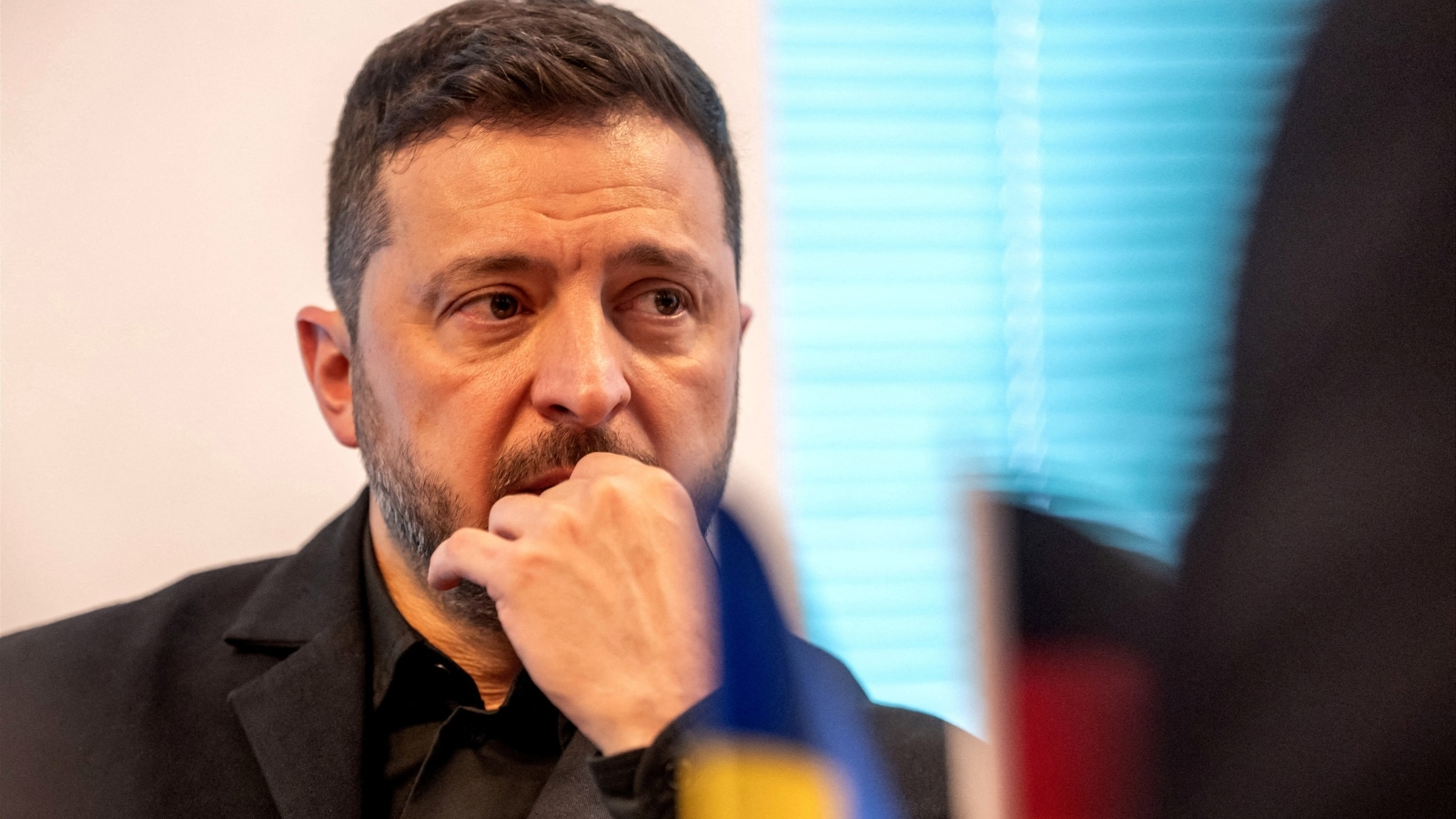
The diplomatic pressure cooker between Washington and Kyiv is reaching a boiling point. Ukrainian President Volodymyr Zelenskyy hasn't minced words, openly accusing the U.S. administration under Donald Trump of attempting to force Kyiv into an unequal surrender. Behind closed doors, high-stakes bargaining over energy infrastructure, Patriot air-defense systems, and frozen front lines has escalated into an open public feud.
If you've been following the shifting geopolitical currents, you know this friction isn't just about diplomatic tone. It's about survival. Trump is pushing hard for a swift end to the conflict, but Kyiv argues that Washington's terms look a lot more like capitulation than a just peace.
The Diesel Deal and the Patriot Missile Trade-Off
At the heart of the latest diplomatic clash is a stark transactional dispute. The U.S. administration has been desperate to curb high fuel prices at home, leading to intense pressure on Ukraine to stop targeting Russian diesel refineries.
Zelenskyy laid out the administration's proposed model with blunt candor during recent press conferences. The initial pitch from Kyiv was simple: stop hitting Russian fuel assets in exchange for desperately needed Patriot air-defense missiles to protect civilian infrastructure. But according to the Ukrainian leader, Washington shifted the goalposts. They want the strikes halted unilaterally, threatening cutoff actions if Kyiv refuses to comply.
"They just want us to stop attacking diesel," Zelenskyy noted, pointing out the stark asymmetry of the demand.
Washington's decision to waive certain restrictions on Russian fuel assets has only added fuel to the fire. Kyiv maintains that these moves do virtually nothing to lower prices in the United States because the volume is insufficient, yet they directly pad the Kremlin's war chest.
The High Cost of American Pressure
The diplomatic squeeze comes at a brutal time for Ukraine. With elections looming and the human toll mounting across the front lines, the U.S. push for a fast ceasefire risks locking in Russian territorial gains.
A proposed peace framework—reportedly shaped through parallel channels without direct Ukrainian or European inclusion—envisages a freeze along the current front lines. For Kyiv, accepting this means letting Moscow retain control over seized land while scaling back military capabilities. Critics of the plan, including prominent political figures across Europe, argue that forcing Ukraine to downsize its armed forces or cede sovereign territory creates a ticking time bomb rather than long-term stability.
Zelenskyy has warned that Kyiv expects Washington to put pressure on Moscow, not on the defenders. "Otherwise, it's simply unfair," he stated, stressing that any enduring settlement must respect national sovereignty rather than rewarding aggression.
What Happens Next on the Diplomatic Track
Despite the public sparring, backchannel talks continue to swirl. Discussions regarding potential trilateral meetings—potentially floated for neutral locations or upcoming international summits—remain on the table. At the same time, European leaders are scrambling to carve out independent negotiation tracks, realizing they cannot afford to outsource their security architecture entirely to Washington's fast-paced electoral cycles.
The reality on the ground remains brutal. Even as Washington announces partial energy ceasefires, strikes continue to batter power grids and logistics centers across the region. Ukraine's leadership finds itself walking a razor-thin tightrope: maintaining essential international alliances while refusing to sign away its long-term future for the sake of a quick headline.
If you're watching how this war finally concludes, keep your eyes on the supply lines and the security guarantees. A peace deal built entirely on pressure and concessions won't hold if the people who have to live with it refuse to surrender.
Ukraine Agrees To Make Concessions For Peace
This video provides additional context regarding the ongoing diplomatic negotiations and potential territorial compromises discussed by Ukrainian leadership.