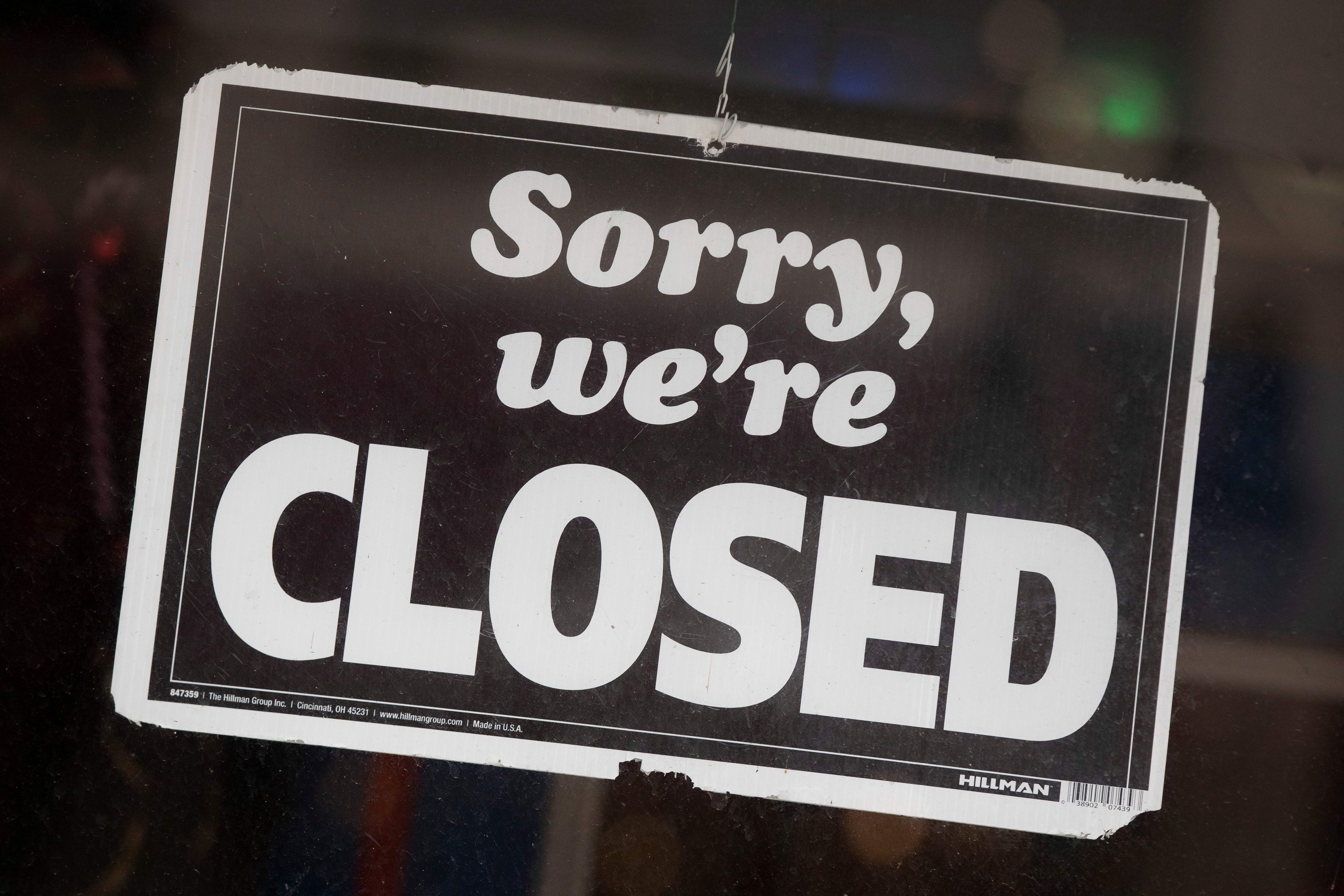
Six downtown Edmonton restaurants didn't just close their doors by accident over the past few weeks. They were pushed to the edge by a grinding series of small, compounding problems.
If you've walked through downtown Edmonton recently, you've probably seen the signs on the windows. Longtime staples and popular local hangouts are locking up for good. When Khazana, a beloved Indian restaurant that served the city for 28 years on 107 Street, announced its closure, it shocked long-term regulars. But then came the flood of other announcements: Greta Bar, kb&co, Kommune, Bündok, and PlayWright all joined the list.
This isn't a random bad luck streak. It's an operational breakdown in the heart of the city. Restaurant owners aren't shutting down because people stopped liking good food. They're shutting down because keeping a dining room open downtown has become financially reckless.
The story being told around city hall points toward general economic headwinds. The story being told by the people actually paying commercial rent tells a much harsher truth.
The Six Places Edmonton Just Lost
To understand why this wave of closures matters, you have to look at what these spots represented. We aren't talking about failed pop-ups or poorly managed chains. These were established businesses that shaped the culinary culture of the core.
- Khazana: Served downtown Edmonton for nearly three decades near 102 Avenue. It was an anchor for local dining, surviving economic ups and downs for 28 years before shutting its doors this summer.
- Greta Bar: A massive arcade bar on 109 Street near Jasper Avenue that drew massive weekend crowds, corporate events, and night-out traffic.
- Bündok: A celebrated fixture in the local dining scene, known for incredible small plates and critically acclaimed dishes that drew food lovers from across the region.
- Kommune: A vibrant spot that brought people together in the core, contributing to the urban energy of the neighborhood.
- kb&co: A plant-based quick-service spot that served health-conscious office workers (though their other regional locations remain open).
- PlayWright: A unique dining space tied closely to the downtown arts and theater community.
When six distinct concepts—ranging from fine dining and casual plant-based eats to high-volume arcade bars—fail within weeks of each other, the problem isn't the menu. The problem is the location.
The Slow Grind of Continuous Street Construction
Ask almost any downtown business owner what killed their foot traffic, and construction will top the list.
Take Khazana's location on 107 Street near 102 Avenue. For years, the restaurant found itself completely encircled by major municipal projects. To the south, work stretched on for O-day'min Park. To the north, ongoing work on bike lanes and the Valley Line West LRT turned 102 Avenue into a maze of orange pylons, chain-link fences, and heavy machinery.
Former operations manager Maheik Bhasin pointed out that vehicle access was stripped away, while pedestrian detours became a confusing headache for customers. People trying to pick up takeout or drive downtown for dinner simply gave up. When driving to a restaurant requires navigating three detours, paying inflated parking rates, and dodging active construction zones, diners choose to eat in the suburbs instead.
As Bhasin put it, the business ended up using its own savings just to stay alive while city projects dragged on around them. That isn't a sustainable business model. That's a slow burn down to zero.
The Valley Line LRT and road works aren't bad projects in theory. Public transit and urban revitalization matter for a city's long-term future. But when construction spans years without effective access strategies for nearby storefronts, the city effectively starves local businesses while trying to build for a future those businesses won't survive to see.
Why It Is Death by a Thousand Cuts
When Chris Decock, owner of Greta Bar and co-owner of Hudsons Canada's Pub, announced Greta's closure on 109 Street, he wrote an open letter that resonated across the business community. He made it clear that no single policy ruined his business.
It wasn't just a tax hike. It wasn't just patio permit fees. It wasn't just paid parking changes, remote work, or safety concerns. It was all of them hitting at the exact same time.
Running a restaurant is already a tightrope walk. Profit margins in the food industry usually hover between three and seven percent. When your margins are that thin, you don't need a catastrophic event to sink your business. You just need five or six small expenses to go up simultaneously.
Here is the breakdown of what downtown operators are fighting every month:
- Higher Operating Costs: Food inflation, rising utility bills, and increased commercial insurance rates have pushed overhead through the roof over the past two years.
- Post-Pandemic Debt Burden: Many restaurants took out government support loans to stay afloat during 2020 and 2021. Those loans came due, adding a heavy monthly debt service on top of regular expenses.
- Shift in Office Habits: Hybrid work schedules mean downtown offices aren't as full as they used to be on Mondays and Fridays. Lunch crowds have dropped off, cutting into weeknight profits.
- Parking Obstacles: Increased parking costs and reduced street parking turn off suburban diners who want convenience.
- Safety and Street Order: Concerns over safety around transit stops and downtown streets deter families and late-night patrons, reducing overall foot traffic.
When you add those factors together, operating in the core becomes significantly riskier than opening a storefront in Windermere, Sherwood Park, or St. Albert.
Why City Funding Isn't Reaching the Bottom Line
City officials often highlight the millions spent to reinvigorate the core. Tom Girvan, the City of Edmonton's director of downtown economy, pointed to city investments like the $3 million Downtown Action Plan Fund for 2026 and the $14 million Downtown Vibrancy Fund allocated between 2022 and 2024.
These funds support festivals, public events, community projects, and long-term private development. Events and festivals bring energy to the core, and they certainly bring people downtown for a weekend or a special event.
However, a weekend festival twice a summer doesn't pay a monthly commercial lease in November. It doesn't pay the daily payroll for a kitchen staff when lunch traffic drops off for three weeks straight due to sidewalk closures.
There is a major disconnect between high-level municipal strategy and daily operational reality. The city focuses on grand initiatives, festivals, and long-term infrastructure. Meanwhile, restaurant owners are trying to figure out how to pay property taxes on a street that prospective customers can't even drive down.
Cheryll Watson from the Downtown Revitalization Coalition has been warning city leadership about these impacts for years. When construction blocks physical access to storefronts for months—or years—businesses don't just lose customers temporarily. Those customers form new dining habits elsewhere, and getting them back takes months after the construction flags finally come down.
How to Fix the Downtown Restaurant Crisis
If Edmonton wants a vibrant downtown core, city council needs to stop treating business closures as isolated incidents and start tackling the structural issues directly.
Here are the concrete steps required to stabilize the downtown dining economy:
Direct Construction Relief Funds
When major city-led infrastructure projects block access to storefronts for more than 90 days, affected businesses need direct, automatic property tax credits or operational relief grants. Expecting small businesses to finance public infrastructure with their private savings is unfair and unsustainable.
Smart Construction Staging
City planning needs strict accountability for construction timelines. Right-of-way rules must mandate clear, well-lit, direct pedestrian walkways around construction sites, along with dedicated loading zones for delivery drivers and curbside pickup.
Parking Incentives During Construction
If street parking is removed for LRT construction, the city should partner with private parkades to offer subsidized or free two-hour parking for customers dining in construction-impacted zones. Make coming downtown easy instead of frustrating.
Real Safety Measures on the Ground
Safety cannot be solved by press releases alone. Expanding transit peace officers—like the 30 new officers added to the transit system in July—is a good step forward, but uniformed presence needs to extend into street-level dining corridors to make visitors feel safe day and night.
Action Plan for Edmonton Diners and Local Owners
If you care about local food in Edmonton, sitting back and reading about closures won't change the outcome. Action does.
For Diners and Locals:
- Make a conscious effort to eat downtown: Pick a downtown restaurant for your next weekend meal or team lunch.
- Use public transit or plan parking ahead: Don't let parking hurdles keep you from supporting local chefs.
- Buy gift cards directly: If you love a local spot, buy gift cards directly from their website to give them immediate cash flow.
For Business Owners and Operators:
- Join the Downtown Revitalization Coalition: Organize with other business owners to present unified policy demands to city council.
- Apply for available city grants: Check the Downtown Action Plan Fund and local business support programs to see if your business qualifies for available relief funding.
- Document construction impacts: Keep detailed records of foot traffic drops and revenue impacts caused by local street closures to present to city staff during budget reviews.
Downtowns don't rebuild themselves. They thrive when local government creates fair conditions for small businesses to survive, and when residents actively show up to support them.