For nearly three decades, the murder of Tupac Shakur remained hip-hop's most haunting unsolved mystery. Then, the prime suspect basically did the job for the prosecutors.
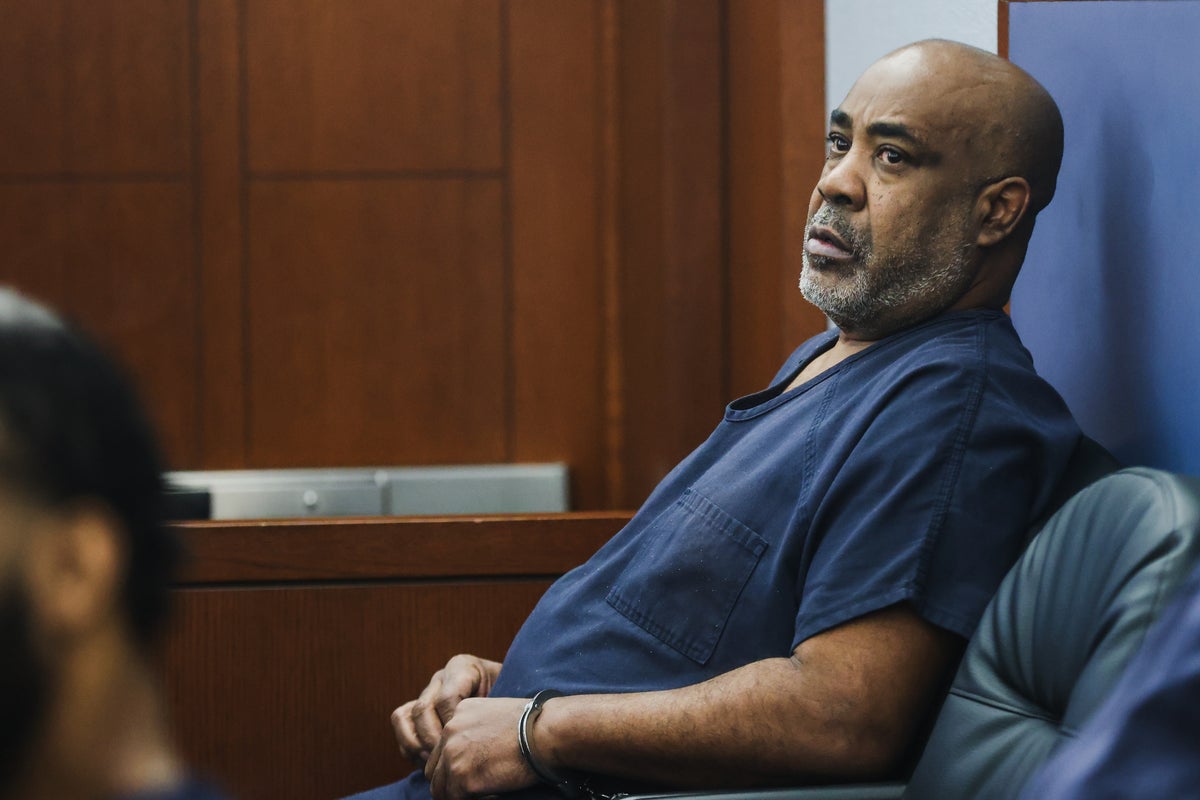
A Nevada judge just dealt a massive blow to the defense team of Duane "Keffe D" Davis. District Court Judge Carli Kierny ruled that a recorded police interview Davis gave back in 2008 is fully admissible in his upcoming murder trial. If you have followed this case, you know this decision alters the entire courtroom dynamic. Davis thought he was cutting a deal behind closed doors years ago. Instead, those old words are coming back to haunt him right as trial preparations hit overdrive.
The 2008 Interview That Changed Everything
Back in 2008, detectives sat down with Davis to talk about the fatal September 1996 drive-by shooting in Las Vegas. Shakur was riding in a car with Death Row Records founder Marion "Suge" Knight when a white Cadillac pulled alongside them and gunfire erupted. Shakur died six days later.
For years, the investigation stalled out. It went completely cold.
Law enforcement didn't crack the code until Davis started talking openly on the record. He didn't just talk to police; he co-wrote a book and did media rounds where he freely admitted he was in that white Cadillac and provided the weapon used in the shooting.
Defense attorneys scrambled to block the 2008 tape. Attorney Michael Sanft argued that investigators promised Davis confidentiality during that session, assuring him it would never be used against him. Judges don't care about handshake understandings when the recorded admissions match a pattern of public bragging. Prosecutors successfully argued that no legal shield protects voluntary statements made years ago, especially when the defendant spent years repeating the same narrative for personal profit and publicity.
Why the Defense Strategy Just Collapsed
Trials are won and lost on evidence admissibility. When a judge hands prosecutors a signed confession or a recorded walkthrough of the crime from the defendant's own mouth, the defense faces an uphill battle.
Davis, now 63, stands as the only person ever criminally charged in connection with Shakur's death. He faces a sentence of life in prison without parole if a jury finds him guilty.
His lawyers tried every procedural trick in the book to suppress evidence, pointing to old claims of informal immunity deals with the FBI and Los Angeles police. None of it held weight in a Nevada court room. The reality is simple. You cannot spend years monetizing your involvement in a murder through books, documentaries, and interviews, and then expect a court to treat your statements to law enforcement as a sacred secret.
What Happens Next in the Las Vegas Courtroom
The trial timeline is locked in. Court proceedings are scheduled to kick off. Legal analysts expect the trial to last roughly four weeks, with the 2008 police recording serving as the anchor of the state's argument.
Instead of letting the mystery fade into history, Davis chose to tell his story to anyone who would listen. Now, a jury will hear those exact words. Keep your eyes on the courtroom arguments as opening statements approach. This is where decades of street lore finally meet formal accountability.