You finish that bitter pill or foul syrup, and your immediate instinct is to reach for something sweet to wash away the taste. We've all done it. When you're already feeling miserable from an infection, the last thing you want to worry about is a strict diet. So you grab a cookie, a candy bar, or a soda, figuring a little comfort food won't hurt.
It turns out your sweet tooth is actively sabotaging your recovery.
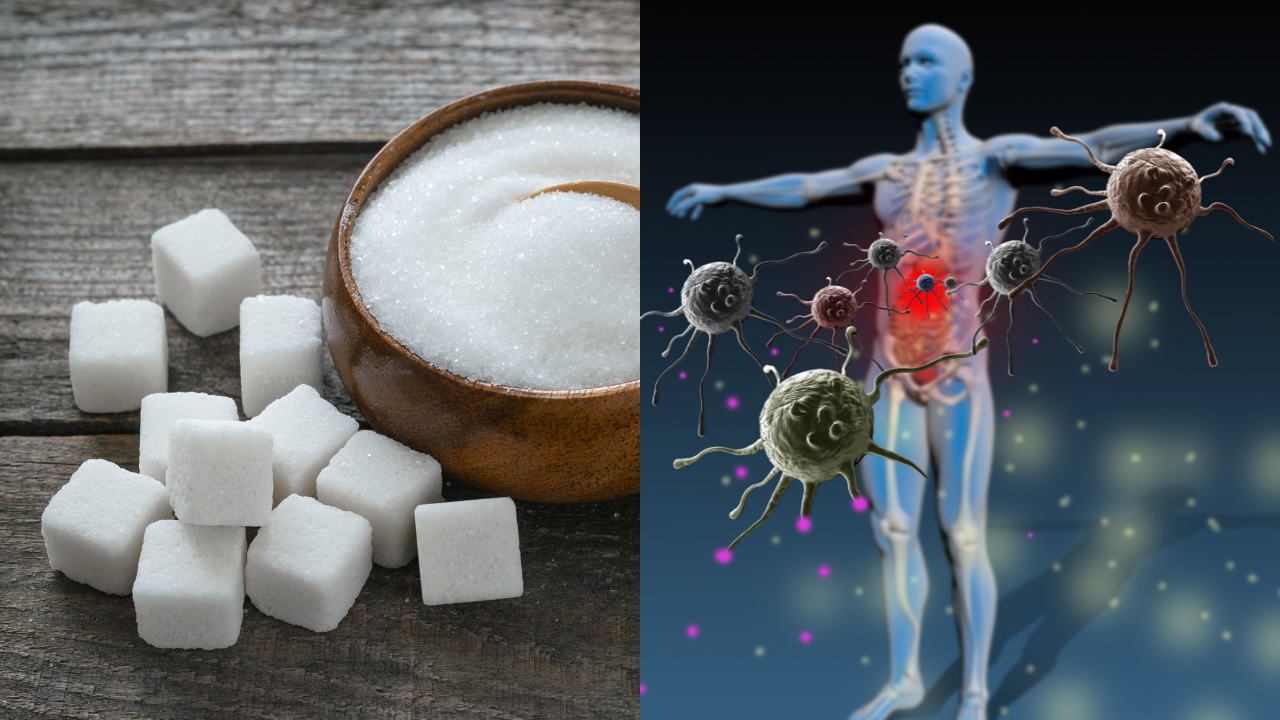
Recent research published in the journal Nature reveals that eating high amounts of sugar while taking antibiotics dramatically intensifies the damage done to your gut microbiome. Broad-spectrum antibiotics don't have a sniper rifle; they're a carpet bomb. They wipe out harmful pathogens, but they also obliterate trillions of beneficial bacteria that keep your digestive system running smoothly. When you throw sugar into that devastated internal environment, you aren't just feeding yourself. You're fueling the wrong microbes.
What Happens Inside Your Intestines During Treatment
Your gut is home to a massive, complex ecosystem of bacteria. These microorganisms help digest your food, regulate your immune system, and block opportunistic invaders from taking over.
When you take antibiotics, that delicate balance shatters. Researchers at NYU Langone Health, City of Hope, and Memorial Sloan Kettering looked closely at thousands of meals consumed by hospitalized patients undergoing heavy antibiotic treatment. They discovered a stark pattern. For every extra hundred grams of sweets consumed in a 48-hour window, the mathematical models predicted a massive drop in gut microbial diversity.
Alpha diversity matters. It's the measure of variety and distribution of microorganisms in your gut. High diversity means a resilient system. Low diversity leaves you wide open for dangerous bacteria like Enterococcus to multiply and trigger severe secondary infections.
The Mouse Experiments And Sugar Spikes
Human observational data can only show correlations, so scientists tested the mechanism further in the lab. Mice given sucrose alongside antibiotics experienced a much sharper surge in Enterococcus levels compared to mice receiving antibiotics without extra sugar.
Sugar acts as an accelerator for specific bacterial strains that thrive on simple carbohydrates when competition from other healthy microbes is artificially low. Antibiotics clear the playing field, and sugar hands the keys to the worst players in your microbiome.
Now, this doesn't mean a single piece of candy will completely neutralize your medication or instantly give you an infection. But it does prove that what you put on your plate during a prescription course directly alters how your body responds to the drugs.
The Reality of Dietary Restrictions While Sick
Let's be honest. Doctors tell you to avoid certain foods, but advice like "eat clean" or "avoid sugar" often sounds like generic background noise when you're stuck in bed with a fever. People treat medication guidelines like loose suggestions.
If you're dealing with a routine infection, the exact impact of your sugar intake might differ from the high-risk hospital patients studied in this research, who were undergoing blood stem-cell transplants. Even so, the biological principles remain identical. Simple sugars feed opportunistic microbes. If you're hammering your gut with pharmaceutical agents, you shouldn't pour rocket fuel on the bacteria you're trying to suppress.
How to Protect Your Microbiome
You don't need a complicated wellness protocol to protect your gut, but you do need common sense.
- Cut back aggressively on sugary snacks, juices, and processed desserts while finishing a course of antibiotics.
- Focus on fiber-rich whole foods if your stomach can handle them, as complex carbohydrates feed the beneficial bacteria that survive the medication.
- Talk to your doctor about whether targeted probiotics make sense for your specific situation, though keep in mind that supplements aren't an automatic shield against antibiotic disruption.
Stop treating your diet as an afterthought when you're sick. The drugs do the heavy lifting, but your plate determines whether your gut bounces back or stays broken.