Local politicians are elected to fix potholes, manage transit, and balance municipal budgets. But in Edmonton, the digital lines between local governance and international geopolitics have blurred once again.
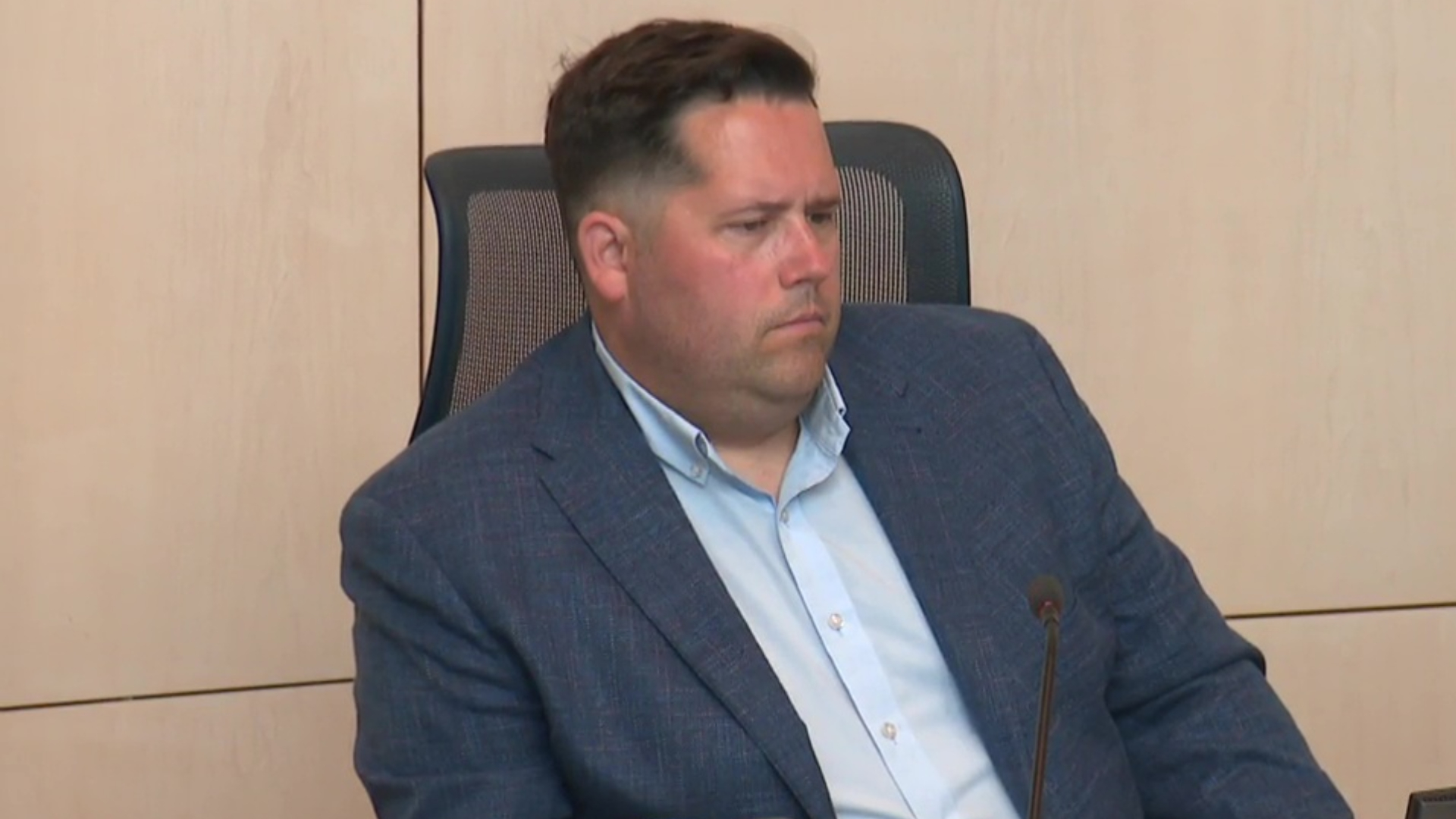
Edmonton city councillor Michael Janz is no stranger to online controversy, but his recent Instagram posts have landed him in hot water with the city's Jewish community and his own colleagues on council. The outrage stems from shared content regarding the ongoing conflict in Gaza, raising a massive question about the role of municipal leaders in global affairs.
Should a local representative use their platform to comment on international crises, or is it a direct distraction from the work they were actually elected to do?
The Controversy Behind the Share Button
Last week, Janz re-shared a series of highly charged Instagram stories focused on the conflict in Gaza. One post, originally from a pro-Palestine account, claimed that a newborn baby anywhere in the world is statistically more likely to be killed by Israel than by any other cause.
The backlash was swift.
Stacey Leavitt-Wright, CEO of the Jewish Federation of Edmonton, voiced deep concerns that Janz was spreading harmful misinformation. She argued that sharing such extreme, unsubstantiated statistics does not just criticize a foreign government—it actively demonizes the Jewish community in Edmonton.
For local Jewish residents, the impact of these online posts is felt immediately on the ground. It creates an environment of hostility.
Janz removed the post shortly after it went up, but local leaders argue the damage was already done. Removing a post on Instagram takes a second. Erasing the division it sows in the community takes much longer.
The Clash Over a Councillor Real Job
This incident has reignited a fierce debate inside City Hall about the actual scope of a municipal politician's job.
Fellow city councillor Mike Elliott did not hold back. He openly questioned why city council members are spending time on international relations. Elliott pointed out that Edmonton has massive, immediate issues to tackle—homelessness, public transit safety, road maintenance, and a tightening city budget.
In his view, civic politics is no place for international issues. He noted that when local politicians weigh in on global conflicts, they do not change anything overseas. They only manage to fracture the very communities they represent.
Mayor Andrew Knack took a more diplomatic but clear stance, reminding the public that while councillors are free to speak, they must hold themselves to a high standard. He emphasized that sharing inaccurate information is simply not what residents want to see from their elected leaders.
Janz, however, remains unapologetic about using his platform.
In a written statement, he expressed horror at the violence in Palestine and stated he will continue to share reports from bodies like the United Nations on his social media. He believes that compassion should not have borders.
A Pattern of Online Friction
To understand why this latest incident has caused such a stir, you have to look at Janz's history on social media. This isn't his first rodeo with controversial clicks.
A few years ago, Janz faced a formal integrity commissioner investigation after retweeting a post that referred to police officers with a derogatory term. While he ultimately avoided formal sanctions by apologizing, that incident exposed a clear pattern. Janz frequently uses his online presence to push boundaries, often questioning the very rules meant to govern municipal decorum.
At the time of his past investigation, Janz argued that code of conduct rules should not be weaponized to silence politicians or restrict free speech. But there is a massive difference between defending free speech and recognizing the weight of your words as a public official.
When you represent a ward in Edmonton, you represent everyone in it—not just the people who agree with your geopolitical views.
The Real Danger of Digital Echo Chambers
The root of this issue isn't just about one councillor's Instagram feed. It is about how social media shapes local leadership.
Algorithms reward outrage. They feed on extreme statements, and they incentivize public figures to take hardline stances to please their online base. But good local governance requires the exact opposite. It requires nuance, compromise, and a focus on the shared physical space of the city.
When local leaders spend their energy fighting global proxy wars on social media, local issues get pushed to the back burner.
Worse, it invites global polarization directly into local neighborhoods. Edmontonians should be able to look to their local representatives for community cohesion, not hyper-partisan division.
How Local Leaders Can Navigate High Tension
If you are an elected official, a community organizer, or just an engaged citizen trying to make sense of this, there are a few practical realities to keep in mind.
Keep the Focus Local First
Your primary mandate as a municipal leader is the direct well-being of your city. If an issue does not fall under municipal jurisdiction, posting about it rarely helps, and almost always divides.
Verify Before Sharing
Reposting something from an activist account without checking the facts is reckless. Public figures have an obligation to verify claims before broadcasting them to thousands of followers.
Engage in Person, Not via Stories
Complex, painful global crises cannot be solved or properly discussed in 15-second Instagram slides. If you want to support a community, show up, listen, and have real conversations instead of posting provocative graphics.
Edmonton has plenty of real, physical challenges that need urgent attention. It is time for City Hall to put down the phones, step away from the global comment sections, and get back to the work of building a functional city.