Football matches aren't played in a vacuum. Sometimes, a 90-minute game stops being just about a ball and a net and becomes a mirror for global injustice. That's exactly what happened in Atlanta during the 2026 World Cup Round of 16 match between Egypt and Argentina.
On paper, it was a classic David versus Goliath matchup. You had the reigning world champions, led by Lionel Messi, going up against an energetic, historic Egyptian side. But by the time the final whistle blew, the conversation shifted entirely away from tactics. Instead, it centered on political dividing lines, uneven rules, and a flag that FIFA desperately tries to police but can't seem to suppress. Palestine took center stage in a stadium thousands of miles away from the Middle East.
If you watched the game, you know it was a sporting tragedy for the Pharaohs. They lost 3-2 after leading 2-0. But look closer at what happened both on the pitch and in the stands. The match turned into an emotional, politically charged referendum on power. It exposed how deeply the Palestinian struggle is intertwined with modern sport, especially for fans across the Global South who feel the system is rigged against them.
The Pitch in Atlanta and the Rubble in Gaza
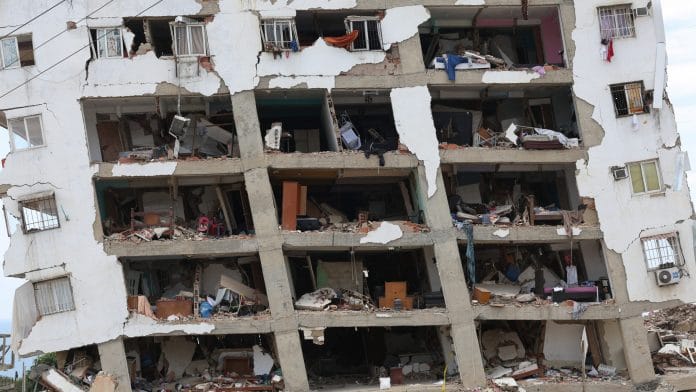
To understand how a football match becomes a political lightning rod, you have to look at who was watching. In Gaza, crowds of Palestinians gathered in the streets, setting up makeshift screens right next to the rubble of bombed out buildings. They strung Egyptian flags above their heads. They cheered as if their own lives depended on the movement of that ball.
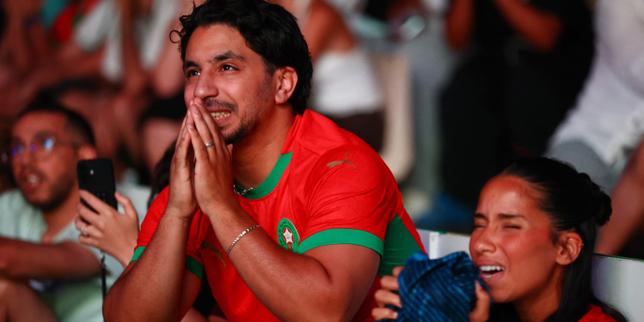
When Yasser Ibrahim scored a glorious header in the 15th minute to put Egypt up 1-0, Gaza erupted. When Egypt's goalkeeper Mostafa Shobeir made an unbelievable save to deny a Lionel Messi penalty, people living in tents forgot their daily misery for a brief second.
This wasn't casual fandom. It was survival through solidarity. Egypt’s manager, Hossam Hassan, made sure of that. In the buildup to the knockout stage, Hassan explicitly used his press conferences to talk about the Palestinian plight. He dedicated his team’s victories to both the Egyptian and Palestinian people. He brought the reality of the Middle East straight into the corporate, sanitized environment of a FIFA tournament.
So when Egypt took the field against the biggest footballing powerhouse on earth, they weren't just playing for Cairo or Alexandria. They carried the weight of a regional struggle. Fans in the stadium waved Palestinian flags alongside Egyptian ones, turning the Atlanta stadium into a vocal arena of political defiance.
When Video Review Feels Like Institutional Oppression
Sporting fairness is a nice myth. The second half of that game shattered the illusion for millions of viewers.
Egypt thought they had doubled their lead on the hour mark. Mostafa Ziko caught Argentina on a brilliant counterattack, dinking the ball beautifully over Emi Martinez. It was a masterpiece of a goal. Then came the VAR intervention. The referee disallowed the goal for an alleged foul by Lisandro Martinez way back at the start of the buildup.
The decision flipped the match on its head. Shortly after, Ziko did score a legitimate second goal to make it 2-0, but the emotional damage was done. Argentina found their spark, scoring three times in the final 11 minutes plus stoppage time to win 3-2. Cristian Romero started the comeback, Messi hit the equalizer, and Enzo Fernandez scored the winner in the 92nd minute.
After the match, the Egyptian camp didn't hold back. Ziko openly talked about "obvious oppression" from the officiating. Manager Hossam Hassan was furious, stating plainly that the game wasn't fair and hinting that FIFA desperately wanted Messi and Argentina to advance for commercial reasons. The Egyptian Football Association even filed a formal complaint.
For fans in Egypt and Palestine, this wasn't just a bad refereeing call. It felt symbolic. It looked exactly like the structural bias they see in global politics every day. The rules are applied unevenly. The powerful get the benefit of the doubt, while the underdogs are penalized for fighting back too hard. Even English football legend Jamie Carragher noted that if the disallowed goal happened in the Premier League or La Liga, it would have stood. The double standard was too glaring to ignore.
Why Football Can No Longer Separate Sport from Politics
FIFA loves to pretend that sport and politics shouldn't mix. They fine associations for political banners and issue strict guidelines to keep stadiums neutral. But they are fighting a losing battle. The Egypt-Argentina match proved that Palestine has become a definitive moral compass for a huge portion of the global sporting community.
For decades, athletes were told to shut up and play. Not anymore. The shift is real, and it is permanent. When a football team raises a flag or a manager uses a post-game interview to highlight a humanitarian crisis, they are breaking the corporate wall. They are showing that the suffering of people back home matters more than a trophy.
Look at how the fans reacted after the loss. Despite the heartbreak, the Egyptian team received a heroes' welcome outside their hotel. Why? Because they represented something bigger than a quarterfinal spot. They gave a voice to the voiceless. For a few hours, a kid in a refugee camp in Gaza felt seen by the players on the television screen. You can't measure that impact with a scoreboard.
Moving Beyond the Scoreboard
If you want to understand the modern intersection of sports and geopolitics, stop looking at FIFA’s official statements. Start looking at the stands. Look at the players who risk fines and suspensions to speak out. The Egypt-Argentina game will be remembered as a thriller, but its real legacy lives in the conversations it forced.
The next step for fans and sports analysts is to hold governing bodies accountable for how they use technology and rules. When VAR decisions consistently favor the commercial giants of the sport, it destroys the integrity of the game. Watch how FIFA handles the formal complaint filed by Egypt. Pay attention to how international commentators discuss these power dynamics in upcoming matches. The era of pretending sports are neutral is over, and the sooner we accept it, the better we can understand the games we watch.