A critical tract of West Bank land is back in the crosshairs, and regional heavyweights are furious. Eight Arab and Muslim nations just dropped a joint statement tearing into Israel's latest move to build homes in the controversial E1 zone.
If you've been tracking Middle Eastern geopolitics, you know the E1 corridor is not just another plot of dirt. It's the strategic pinch point that could permanently slice the West Bank in half. When Israel's Ministry of Construction and Housing recently issued tenders for over 1,200 housing units in this area, the diplomatic fallout was instant. Foreign ministers from Saudi Arabia, the United Arab Emirates, Qatar, Turkiye, Jordan, Egypt, Pakistan, and Indonesia didn't hold back. They called the move a direct threat to any future Palestinian state.
What Is the E1 Plan and Why Does It Matter So Much?
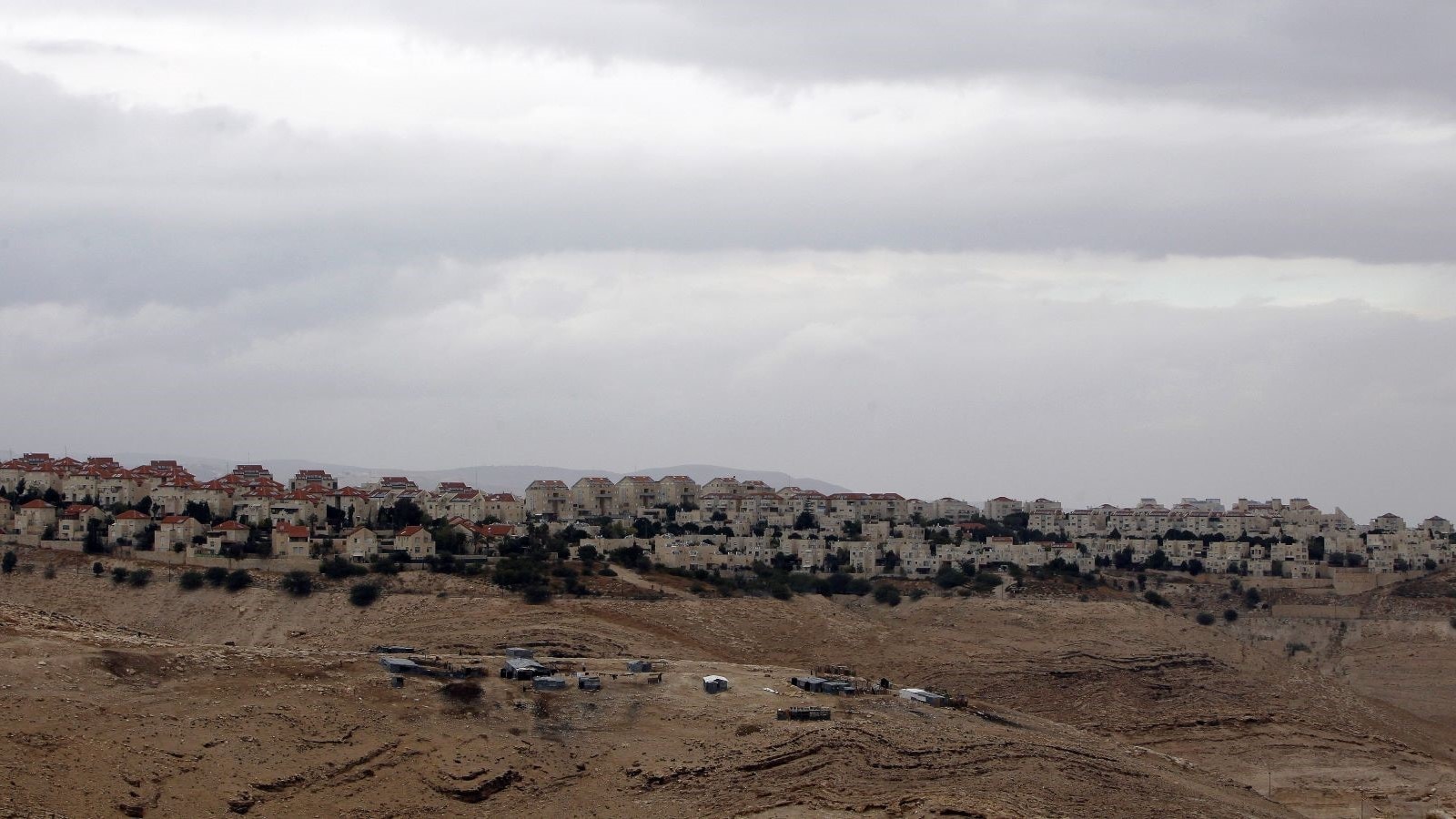
The E1 area covers roughly 12 square kilometers of land east of Jerusalem, connecting the city to the Ma'ale Adumim settlement. For decades, peace negotiators and regional analysts have warned about this specific project. Building here means creating a solid wall of Israeli infrastructure that severs the northern West Bank from the south.
Palestinians trying to travel between Ramallah, Bethlehem, and East Jerusalem would face an impossible geographical barrier. A contiguous, viable state becomes a physical impossibility when the map is carved up like this. That's why the recent tenders for 1,234 residential units sparked such an aggressive diplomatic pushback. Finance Minister Bezalel Smotrich previously championed the project, stating it was designed to alter realities on the ground permanently. Regional leaders recognize that reality, and they hate what they see.
The Joint Diplomatic Pushback
The coalition of eight nations didn't just issue a standard, toothless reprimand. Their joint statement labeled the E1 expansion a dangerous escalation that actively sabotages regional stability.
They pointed out that altering the demographic and geographic character of the occupied territories violates international law. More than that, they argued the move directly undermines ongoing international peace initiatives, including framework proposals put forward by the United States.
You're seeing a rare alignment of regional powers stepping up together. Saudi Arabia and the UAE joined forces with Turkiye, Qatar, Jordan, Egypt, Pakistan, and Indonesia to demand an immediate halt. They want all related tenders rescinded and a total freeze on actions meant to fragment Palestinian land.
Global Condemnation Piles Up
It isn't just regional neighbors sounding alarms. European nations have stepped into the fray with equal intensity. France, Germany, Britain, and Italy released parallel condemnations, calling the project unacceptable. Whispers from European diplomatic circles even point toward potential targeted sanctions against figures tied to the settlement expansion if work moves forward.
Meanwhile, Israeli rights groups and Palestinian officials are mobilizing locally and internationally to block the ground-breaking. Yet, current right-wing leadership inside Israel remains defiant, prioritizing long-standing settlement goals over international pressure.
The battle lines over E1 are drawn sharper than ever. As tenders move from blueprints to reality, the future of a two-state solution hangs by a thread, and the diplomatic friction shows zero signs of cooling down.