French politics rarely does quiet exits. But watching Emmanuel Macron isolate himself inside the Élysée Palace feels less like a slow fade and more like a Greek tragedy written in real-time.
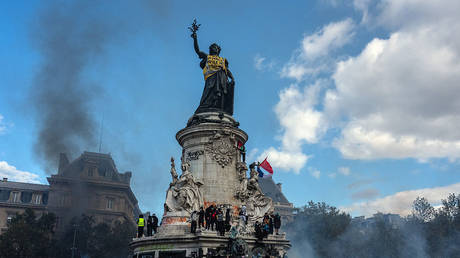
When you look at the universal condemnation greeting his latest national address, you realize the man running France is stranded. A weekend of burning barricades, torched town halls, and over 2,000 arrests brought students, teachers, and trade unionists onto the streets in a rare, combustible alliance. The public response from the French president? An eight-minute speech expressing vague regret, zero policy changes, and a stubborn refusal to share the blame.
Everyone from the radical left to his own former prime ministers lined up to blast him. Critics called his leadership tone-deaf and detached. They aren't wrong.
The Trap of Jupiterian Rule
Macron didn't accidentally end up cornered. He engineered this isolation back in 2017 when he leaned hard into a distant, technocratic style of governance. He wanted to look above the messy fray of daily politics. Instead, he made himself untouchable, which eventually meant unapproachable.
Because he never held local elected office as a town mayor or a constituency MP before taking the top job, he missed a fundamental instinct of French democracy: you cannot lecture a burning street from a gilded balcony.
Over nearly a decade in power, that style curdled into perceived arrogance. Strategic miscalculations made things worse. Losing his parliamentary majority after refusing to campaign hard in 2022 was bad enough. Dissolving the national assembly two years later was worse. That gamble broke the legislature into a deadlocked three-way split between a fractured left, a shrinking center, and Marine Le Pen's surging far right.
When you don't have a working majority, you end up forcing laws through by constitutional bypass. That destroys whatever democratic legitimacy you claim to protect.
Empty Coffers and Closed Doors
In past decades, French presidents could buy social peace when the streets boiled over. They threw money at the problem. Public sector concessions and targeted spending packages usually cooled things down before things went nuclear.
Right now, that playbook is dead. France's national debt sits at 119 percent of GDP, its highest level since 1946. The budget deficit is stuck at 5.1 percent, placing it near the worst in the European Union. Borrowing costs for Paris are currently higher than Greece's.
There is literally no cash in the bank. When 550,000 protesters flood the streets over soaring living costs and crowded classrooms, writing a blank check is impossible.
With zero fiscal room to maneuver, the state defaults to what it knows best. Teargas and baton charges. Seeing riot police clash with teenagers outside overcrowded high schools only pours gasoline on an already raging fire.
The Road to the Élysée
With a presidential election looming just six months away, the political fallout is massive. The centrist coalition Macron built has fractured beyond repair. Even insiders from his own camp are openly questioning his survival, with reports suggesting some allies have quietly urged him to resign and call early elections.
Marine Le Pen and the National Rally are watching this collapse with quiet satisfaction. They don't even need to campaign aggressively right now. Macron's institutional deadlock is doing the heavy lifting for them.
France is cornered between political impotence and rising violence. And the man at the top is completely out of moves.